Giza Pyramids Camel Ride: Tips, Safety & What to Expect
Giza Pyramids Camel Ride: Tips, Safety & What to Expect
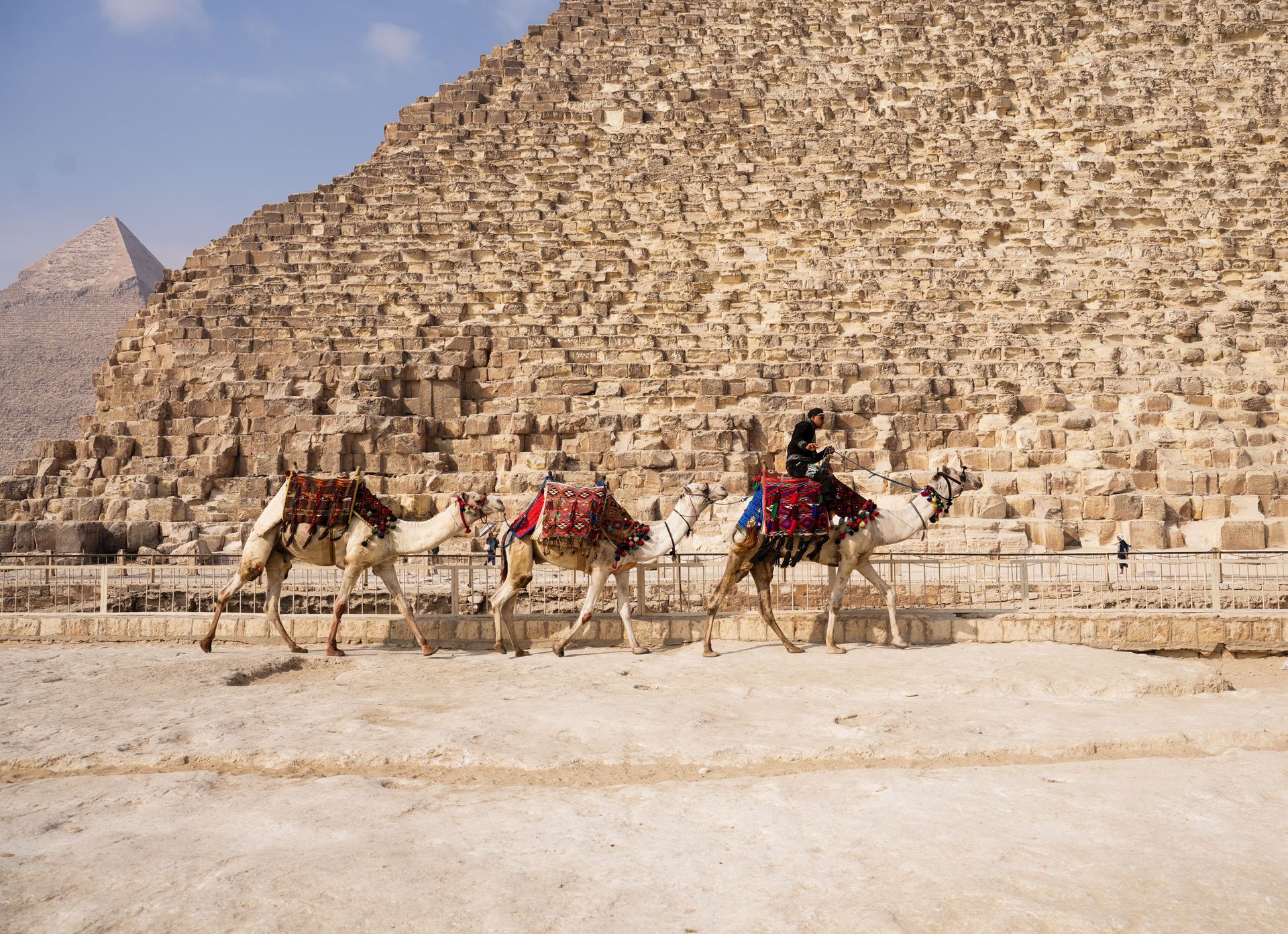
A camel ride at the Giza Pyramids is one of those travel experiences that looks almost too classic to be real. You, a camel, the open desert and the three great pyramids lined up behind you. It is also one of the most searched questions by travelers planning a trip to Egypt: is it safe, is it worth it, what happens exactly, and how do you avoid the hassle?
This guide answers all of that in detail. It explains how a camel ride works at the Giza Pyramids, how to stay comfortable and safe, and how it fits into a complete half-day tour that also includes the pyramids, the Great Sphinx and a rooftop lunch with a view, with a private guide and your own air-conditioned car.
Can you ride a camel at the Giza Pyramids?
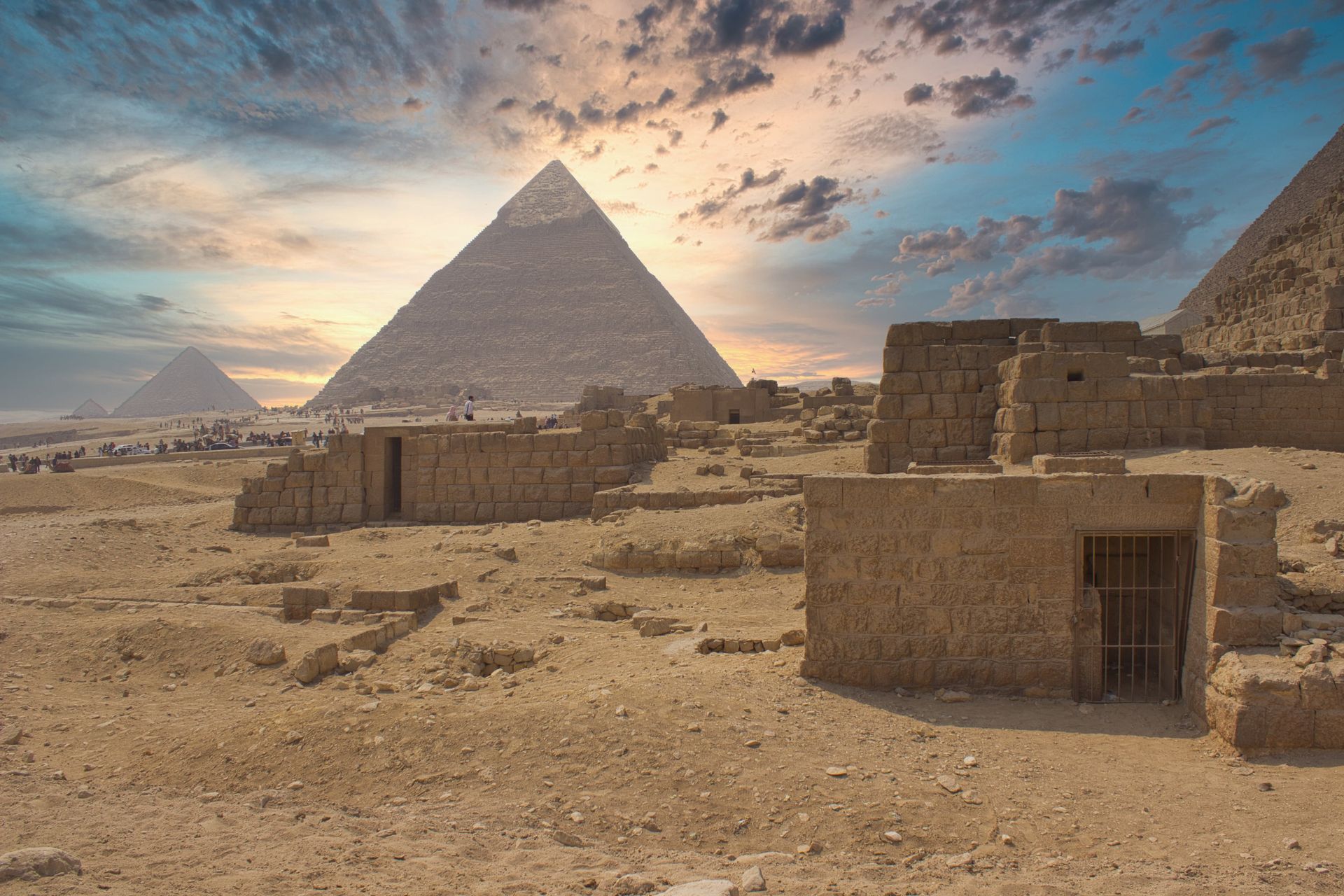
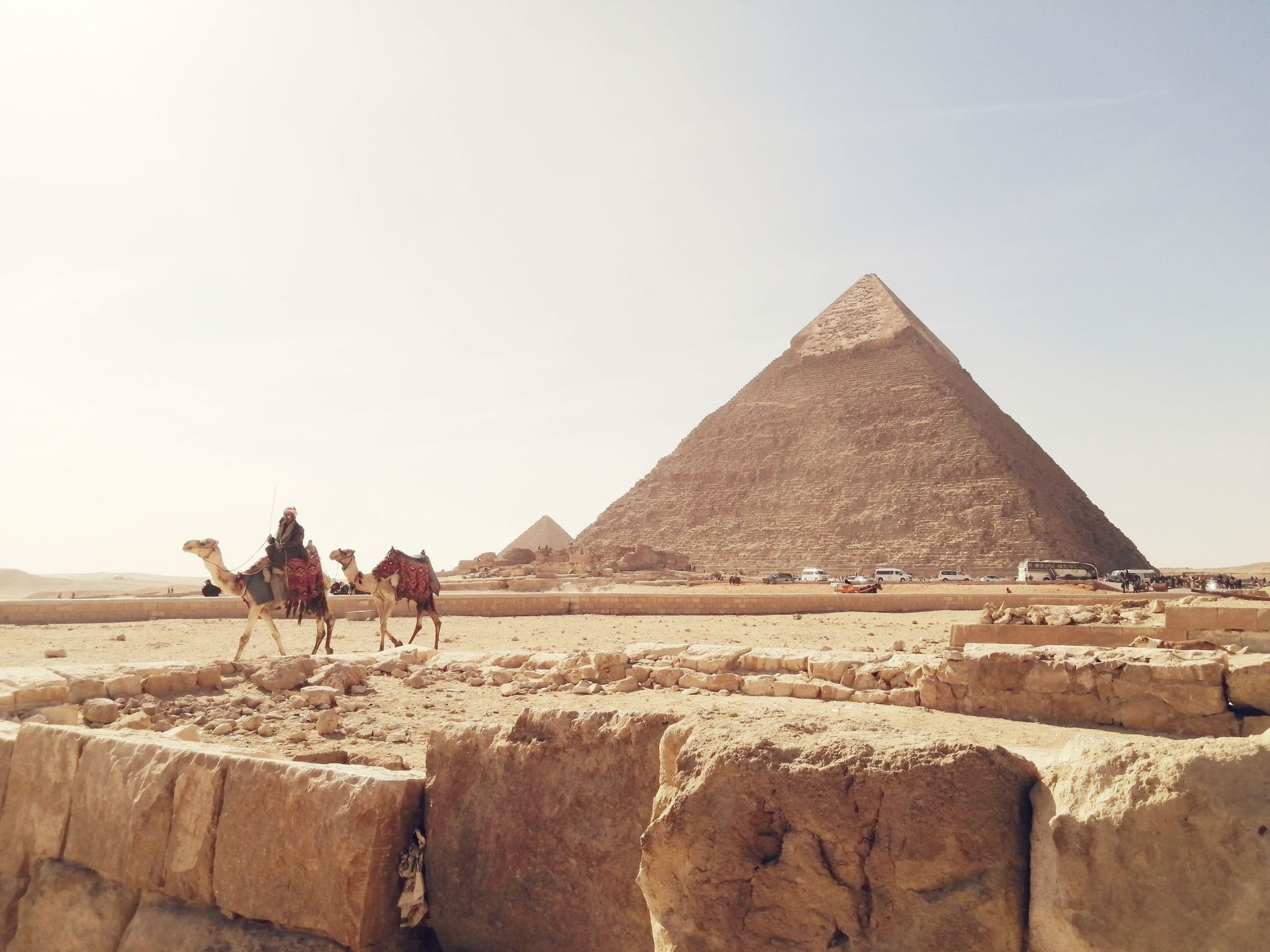
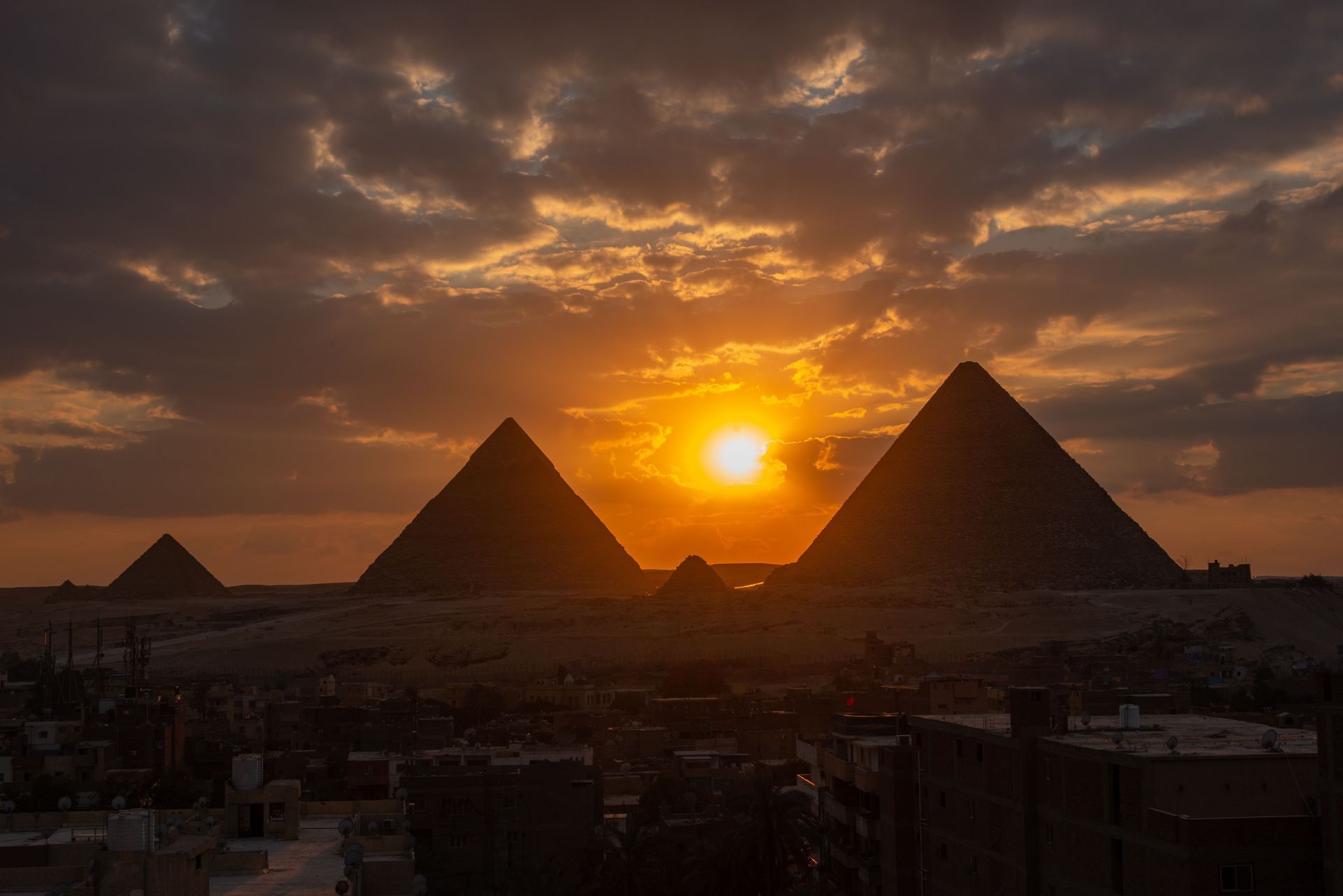
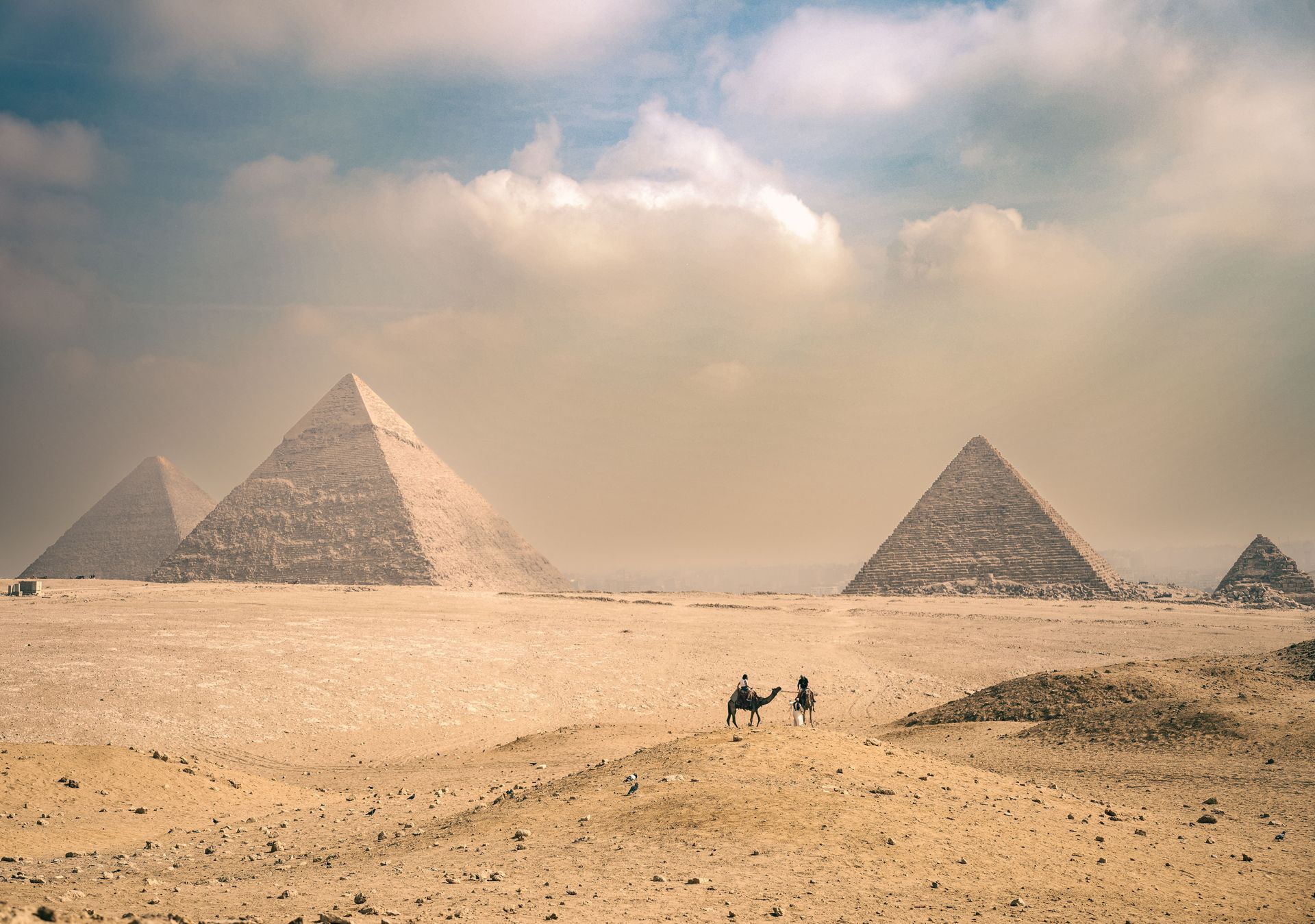
Yes. Camel rides are one of the classic experiences at the Giza Plateau, and thousands of travelers do it every year. The best spot is the Giza Panorama area, the wide viewpoint where all three main pyramids of Khufu, Khafre and Menkaure appear together in a single frame. Riding there gives you the postcard picture and the desert feeling at the same time.
The main challenge for first-time visitors is not the camel, it is the organization around it. Many people arrive without a plan, get approached by several sellers, and end up unsure what is included, what to pay and who to trust. That is why a camel ride is much easier, and much more enjoyable, when it is part of a private tour with a guide.
What the camel ride is like, step by step
If you have never been on a camel, here is what to expect.
Getting on
The camel kneels on the ground so you can climb on the saddle. Your guide or the camel handler helps you, and you sit with your hands on the front of the saddle. Take your time, because there is no rush.
Standing up
This is the moment that surprises most people. A camel stands up in two stages, back legs first and then front legs, so you tip backward first and then forward. The simple rule is to hold on firmly, lean back slightly when the back legs rise and lean forward when the front legs follow. Your guide will remind you, and after the first few seconds you will realize it is not scary at all.
The ride itself
Once the camel is up, it walks at a slow, steady pace across the sand. The movement is a gentle sway, a bit like being on a slow boat. The pyramids stay in view the entire time, and it is a quiet, almost peaceful experience compared with walking around the busy monuments. Most travelers relax quickly and spend more time smiling than worrying.
Getting off
The camel kneels again, front legs first and then back legs, so lean back slightly and hold on. Then you step down, and your guide is right there to help.
Is a camel ride at the Giza Pyramids safe?
For most healthy travelers, yes. Camels used for tourist rides are trained to walk slowly with passengers, and the ride is calm and short. A few common-sense points make it safer and more comfortable:
- Hold the saddle with both hands at the start and while the camel stands up or kneels
- Stay seated and avoid sudden movements, and do not lean over to take photos in a way that makes you lose balance
- Let your guide take the photos while you stay focused on the ride
- Wear secure, closed shoes and clothing that lets you sit comfortably
- Avoid loose bags or dangling items, and keep your phone in a secure hand or pocket
Please note that the ride may not be suitable for travelers with certain mobility limitations or back problems. If this applies to you, tell us in advance so we can plan the best option for you. Pregnant travelers, or anyone with a neck or back condition, should check with a doctor before choosing a camel ride.
Camel ride hassles and how to avoid them
Around the pyramids, visitors sometimes meet unofficial sellers and people offering camel or horse rides at unclear prices, "free" photos or quick detours. Most are friendly, but the experience can feel overwhelming if you are not prepared.
The easiest solution is to book a tour where the camel ride is already part of the package. On our half-day Giza tour, the camel ride in the Giza Panorama area is included, so there is no negotiation and no surprise at the end. Your private guide stays with you, deals with the handlers and helps you politely decline unwanted offers. If you ever decide to ride outside a tour, agree on exactly what is included and the full price before you get on.
A few other tips:
- A polite "no, thank you" and a smile work better than arguing
- Do not hand over your phone or camera to people you do not know
- Tips for the guide and the driver are not included in the tour, and are a personal choice if you are happy with the service
The Giza Pyramids: what you see around your camel ride
A camel ride is only one part of the day. The rest of the tour is a full introduction to the Giza Plateau with your private guide.
The Great Pyramid of Khufu
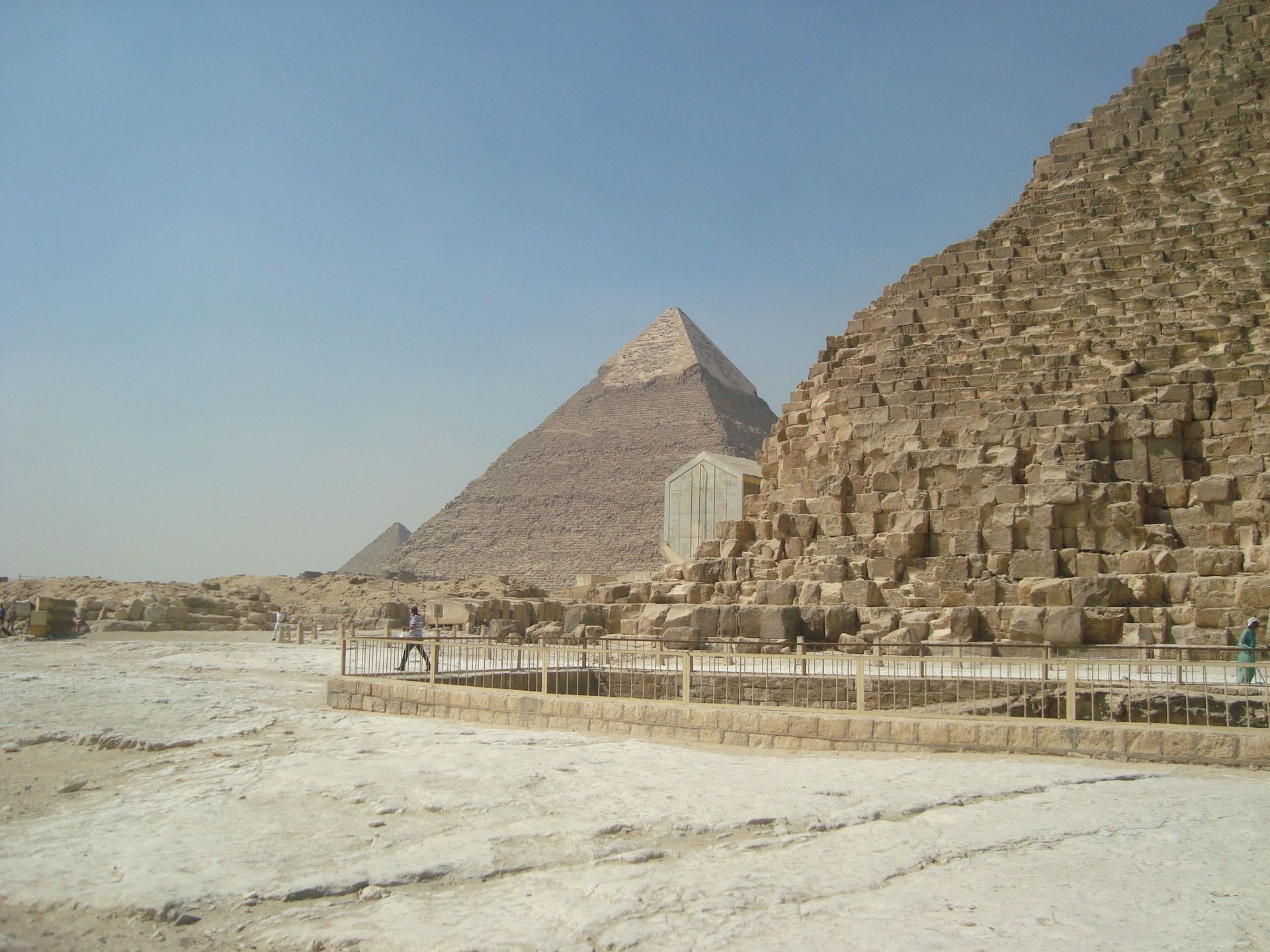
The Great Pyramid is the oldest and largest of the three. Built around 2560 BC for King Khufu, it originally rose to about 146 meters, and it is the only one of the Seven Wonders of the Ancient World that still stands. Seeing its enormous stone blocks up close gives you a real sense of the scale.
The pyramid of Khafre
The second pyramid belongs to Khafre, Khufu's son. It often looks taller because it stands on higher ground, and some of its original smooth casing stones can still be seen near the top.
The pyramid of Menkaure
The third pyramid is the smallest of the main group, at around 65 meters, and the lower part was once covered with granite. Beside it stand smaller queens' pyramids that complete the group.
Your guide explains who built the pyramids, how they were built and why. They also correct a very common myth: the builders were organized Egyptian workers, not slaves, as discoveries of their town and tombs near the plateau have shown.
The Great Sphinx: the guardian of Giza
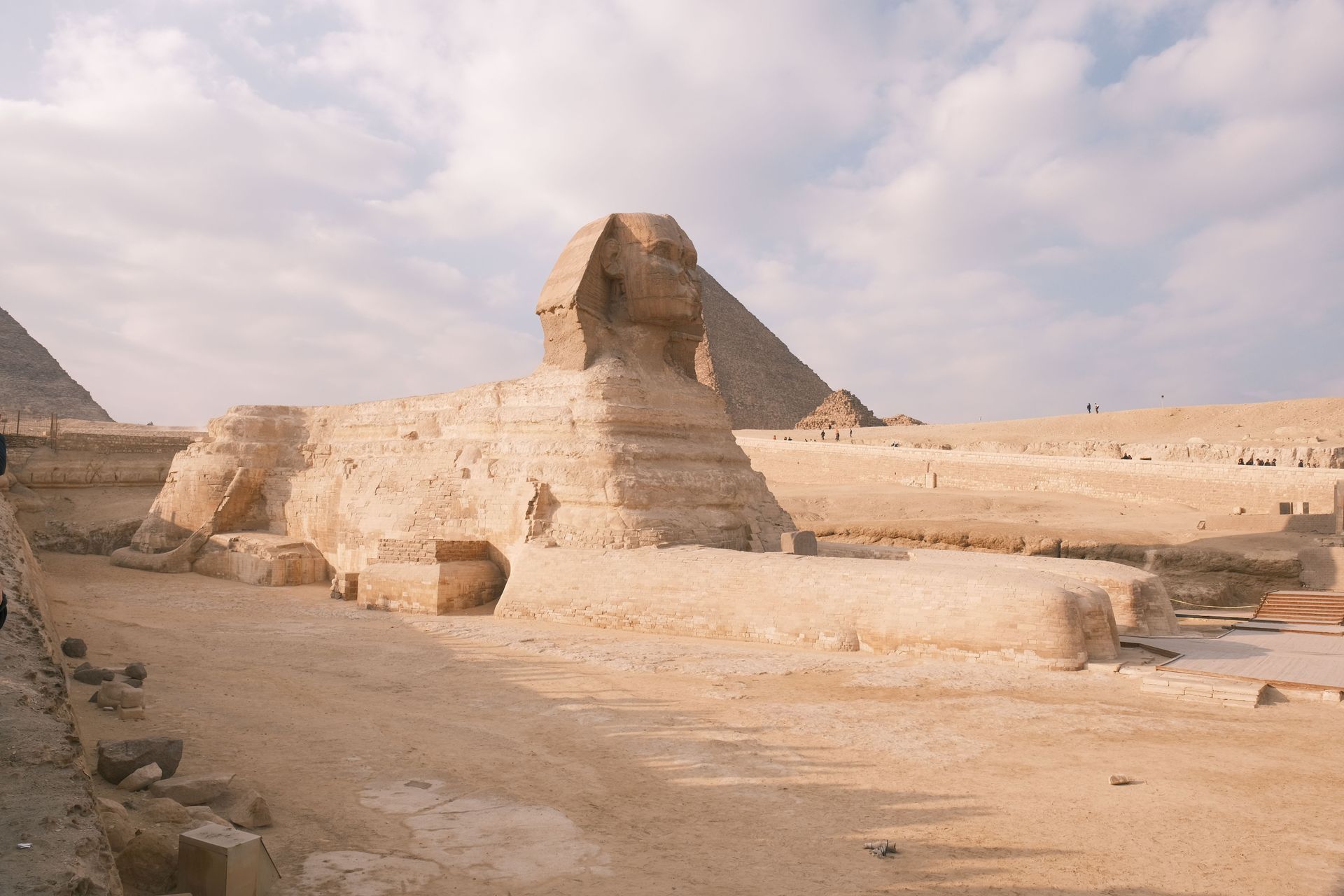
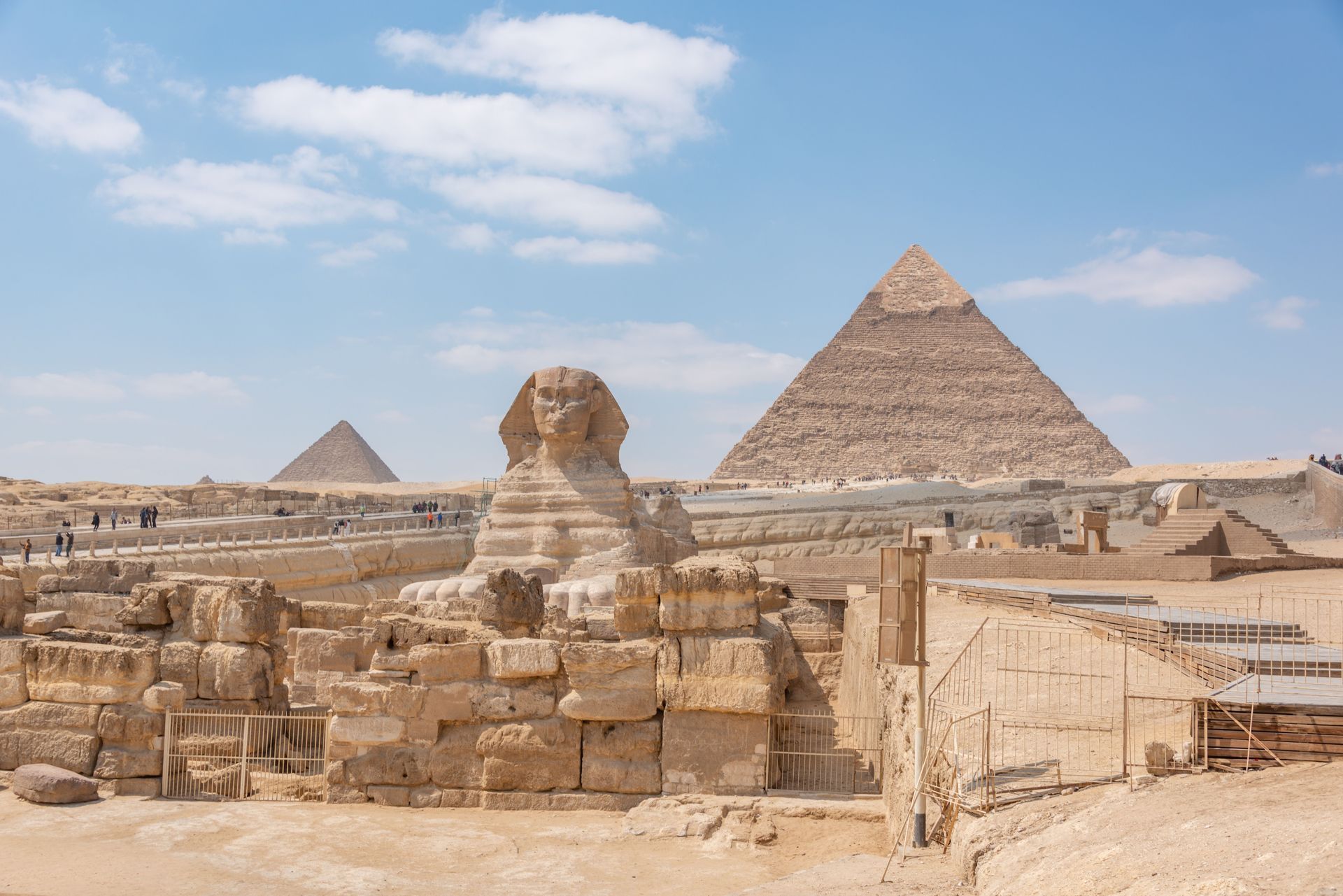
Close to the pyramids, the Great Sphinx watches over the plateau. It is carved from the natural limestone of the site, roughly 73 meters long and 20 meters high, with the body of a lion and the head of a king, generally believed to be Khafre. It has stood in the same place for around 4,500 years.
From up close, you can see the size of the paws and the weathered face. Your guide tells the stories around the missing nose and the restoration work, and shows you the best angles for photos, usually with a pyramid in the background. It is one of the most iconic stops of the day.
Rooftop lunch with a view of the pyramids
After the walking and the camel ride, the tour finishes with an Egyptian lunch at a rooftop restaurant with views over the pyramids and the Grand Egyptian Museum. It is a relaxed break in the shade, after the sun and sand, with the monuments still in front of you.
The tourist menu has three main dishes:
- Mixed Grill, served with rice, fries, a green salad and a tahini salad: the most filling choice, for people who love grilled meat
- Grilled Chicken, served with rice, fries, a green salad and a tahini salad: a lighter, familiar option that works well for families
- Fried Chicken with pasta, in either white sauce or red sauce: a comforting plate, especially popular with children
The tahini salad is a creamy sesame-based salad that is common in Egyptian meals, and it goes well with grilled dishes. Lunch is included if you select it when booking, so choose it when you reserve your tour. If someone in your group has allergies or dietary needs, let us know in advance.
Your private guide and air-conditioned car
The tour includes a professional local guide who stays with you from the beginning to the end, and the guide is only for your group. You also have a private, air-conditioned vehicle with hotel pickup and drop-off, so you move comfortably between the plateau, the camel viewpoint and the restaurant without worrying about taxis or directions.
Bottled water and juices are included, which matters in the Egyptian sun. Infant seats can be requested in advance, subject to availability. Please be ready in your hotel lobby at least 10 minutes before the scheduled pickup time.
How the half-day tour usually flows
In about five hours, the day generally follows this rhythm: hotel pickup, a drive to the Giza Plateau, time at the pyramids and the Sphinx with your guide, the camel ride in the Giza Panorama area, then lunch at the rooftop restaurant and a ride back to your hotel. The order and timing can be adjusted slightly depending on traffic, site conditions and the crowds, so the day always stays comfortable and flexible.
Half-day or full-day Giza tour: which is better?
A half-day tour is best if you have limited time, want to avoid a very long day in the heat, or are traveling with children or older relatives. It gives you the pyramids, the Sphinx, the camel ride and a meal without feeling rushed.
If you also want to explore the Grand Egyptian Museum and see the Tutankhamun collection, a full-day private tour is a better choice, because the museum alone needs several hours.
Best time for a camel ride at the Giza Pyramids
Egypt is most comfortable between October and April, when the weather is milder. In the hot months, mornings are much better than afternoons, and a half-day tour is easier on the body than a full day outdoors. Either way, bring sun protection and drink plenty of water.
What to wear for the camel ride
- Comfortable, closed walking shoes, because the plateau is sandy and uneven
- Light, breathable clothing that covers shoulders and knees, with pants or long shorts that are comfortable for sitting on a saddle
- Sunglasses and a hat or scarf for sun protection
- A camera or phone with a secure strap, and a power bank
Who is this tour suitable for?
It is a great fit for first-time visitors, couples, families and travelers with a short stay in Cairo. The tour is rated moderate because it involves walking on sandy and uneven ground. Some areas of the Giza Plateau may not be fully wheelchair accessible, so please tell us about mobility needs in advance.
Frequently asked questions
How long is the half-day Giza Pyramids tour?
About five hours, including pickup, sightseeing, the camel ride and lunch.
Is the camel ride included?
Yes. The camel ride in the Giza Panorama area is part of the tour.
Is the camel ride at the Giza Pyramids safe?
For most travelers, yes. The camels walk slowly and your guide helps you get on and off. Tell us in advance if you have back problems or mobility limitations.
Is it better to book a camel ride with a tour or on the spot?
Booking with a tour is easier, because the ride is included, your guide helps you and there is no price discussion on the plateau.
Can children ride a camel?
Families are welcome on the tour. Please tell us the ages of children when you book so we can arrange the best option and an infant seat in the car if needed.
Do I get to see the Sphinx?
Yes, the Great Sphinx is part of the tour, with your guide explaining its history.
What food is served at lunch?
You can choose between mixed grill, grilled chicken, or fried chicken with pasta in white or red sauce. Lunch is included if you select it when booking.
Are entrance tickets included?
Entrance tickets to the Giza Plateau and the mentioned sites are included if you select them when booking.
Do I go inside the Great Pyramid?
Going inside is not part of this itinerary. Please ask us in advance if you would like to arrange it.
Is hotel pickup included?
Yes, hotel pickup and drop-off are included in your private, air-conditioned vehicle.
Ready for your own camel ride at the Pyramids?
Some travel moments are worth planning properly, and this is one of them: a camel under you, the Sphinx behind you and a warm rooftop lunch waiting at the end. Choose your date, pick your meal and let us take care of the guide, the car and every detail.
Book your half-day Giza Pyramids tour with a camel ride here: Half Day to Giza Pyramids & Sphinx, Camel Ride, Rooftop Lunch
Want the Grand Egyptian Museum too? Private Guided Tour Giza Pyramids Sphinx Grand Egyptian Museum
Browse our private tours: Private tours booking page
Questions? Chat with us on WhatsApp: wa.me/+201147073676