Is Egypt Safe to Visit? An Honest Guide for First-Time Travelers
Is Egypt Safe to Visit? An Honest Guide for First-Time Travelers
If you're searching this question, you've probably already pictured yourself standing in front of the Pyramids of Giza — and then paused, because a headline, a worried relative, or an outdated blog post made you wonder if that trip is actually a good idea. It's a fair question to ask. It's also one we get from almost every first-time traveler who reaches out to Egypt Karoft Tours, so we're going to answer it honestly — not with a marketing brochure, but with what we'd tell a friend.
Answer: Yes, Egypt Is Safe for Tourists
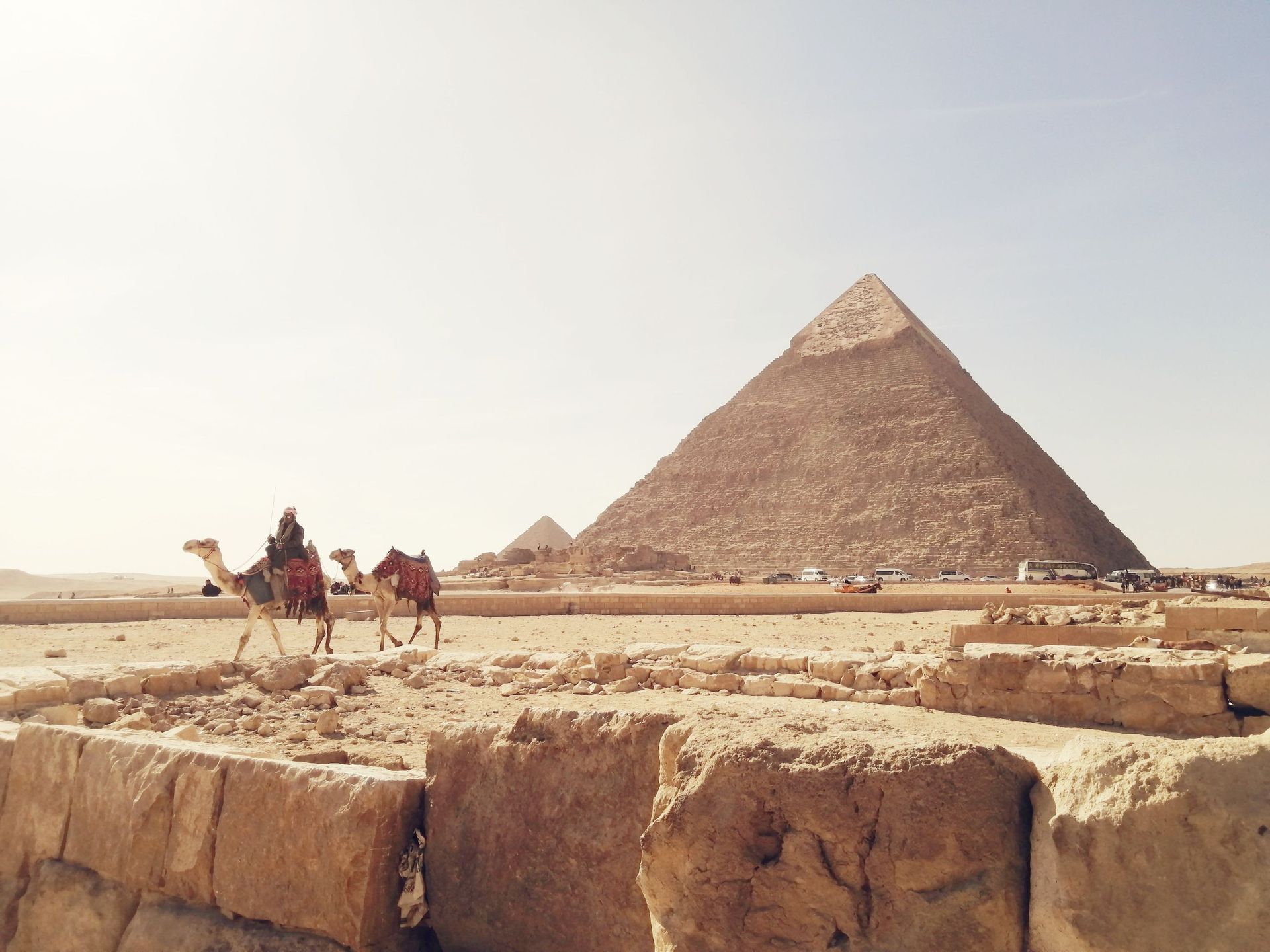
For the vast majority of visitors sticking to the classic route — Cairo, Giza, Luxor, Aswan, and the Red Sea resorts — Egypt is safe. Millions of tourists visit every year without incident, violent crime against foreign visitors is rare, and tourist police are stationed at essentially every major site. The real safety issues most travelers run into aren't danger — they're hassle: overcharging, pushy vendors, and small scams that cost you money or patience, not your safety.
That said, "generally safe" isn't the same as "no precautions needed." Below, we break down exactly what current advisories say, where the real risk areas are, and what "unsafe" actually tends to mean on the ground.

What Do Official Travel Advisories Actually Say?
This is where a lot of the fear comes from, so let's be precise instead of vague.
- The U.S. State Department currently places Egypt at Level 2: Exercise Increased Caution — a country-wide baseline advisory, not a warning against travel. Within that, it separately flags a small number of Do Not Travel zones: the Northern and Middle Sinai Peninsula, and areas near the Libyan border in the Western Desert.
- The UK Foreign Office advises a similar pattern: avoid North Sinai, the area near the Gaza crossing at Rafah, and parts of the Libyan border, while treating the rest of the country — including Cairo, Luxor, Aswan, and the Red Sea coast — as open to travel with standard precautions.
- Both advisories make the same key point that's easy to miss: these warnings cover Egypt as a whole country, including remote desert and border regions that a standard tourist itinerary never goes near. A trip built around Cairo, a Nile cruise, and Aswan simply doesn't pass through any of the flagged areas.
Safety by Destination: Where You'll Actually Go
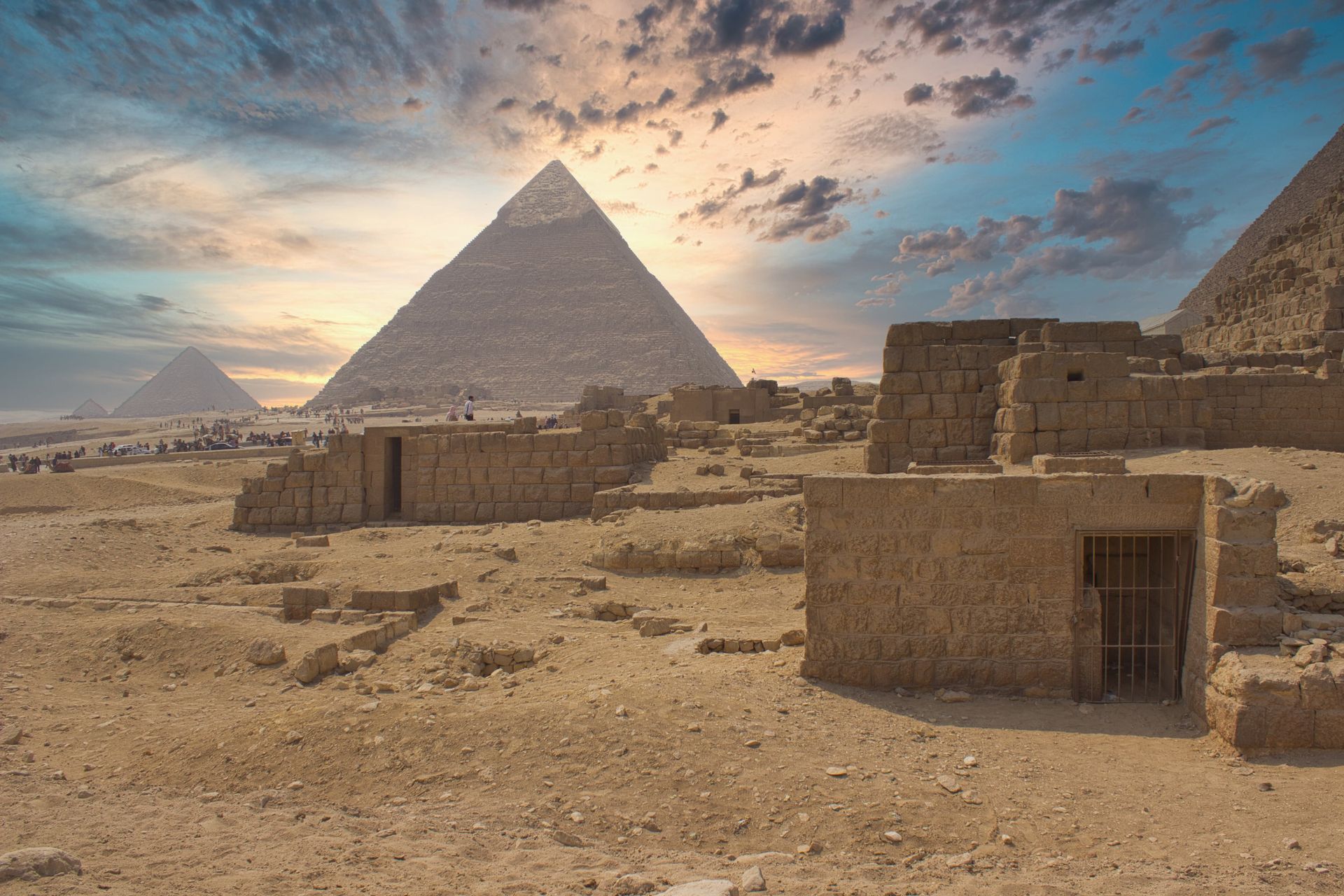
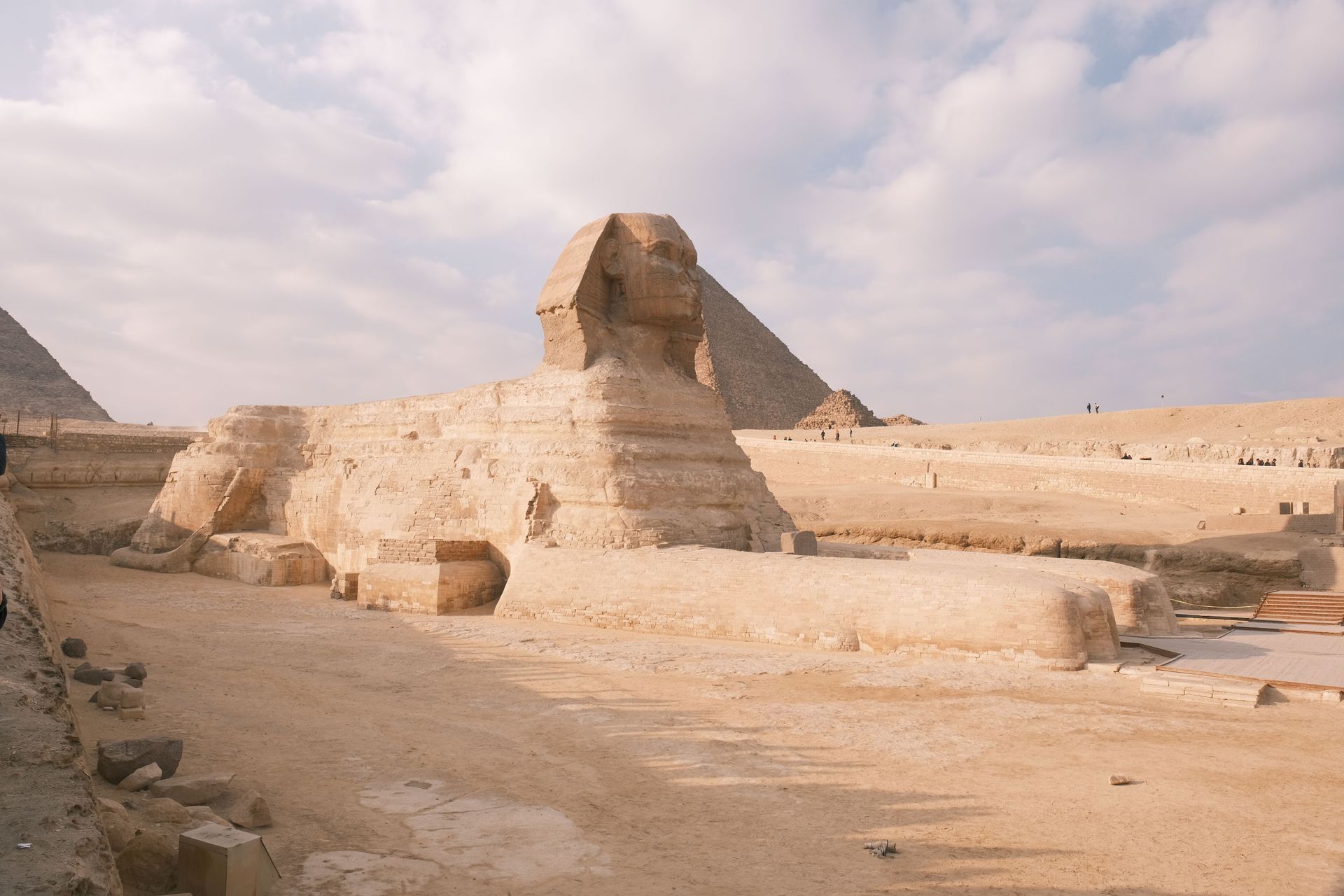
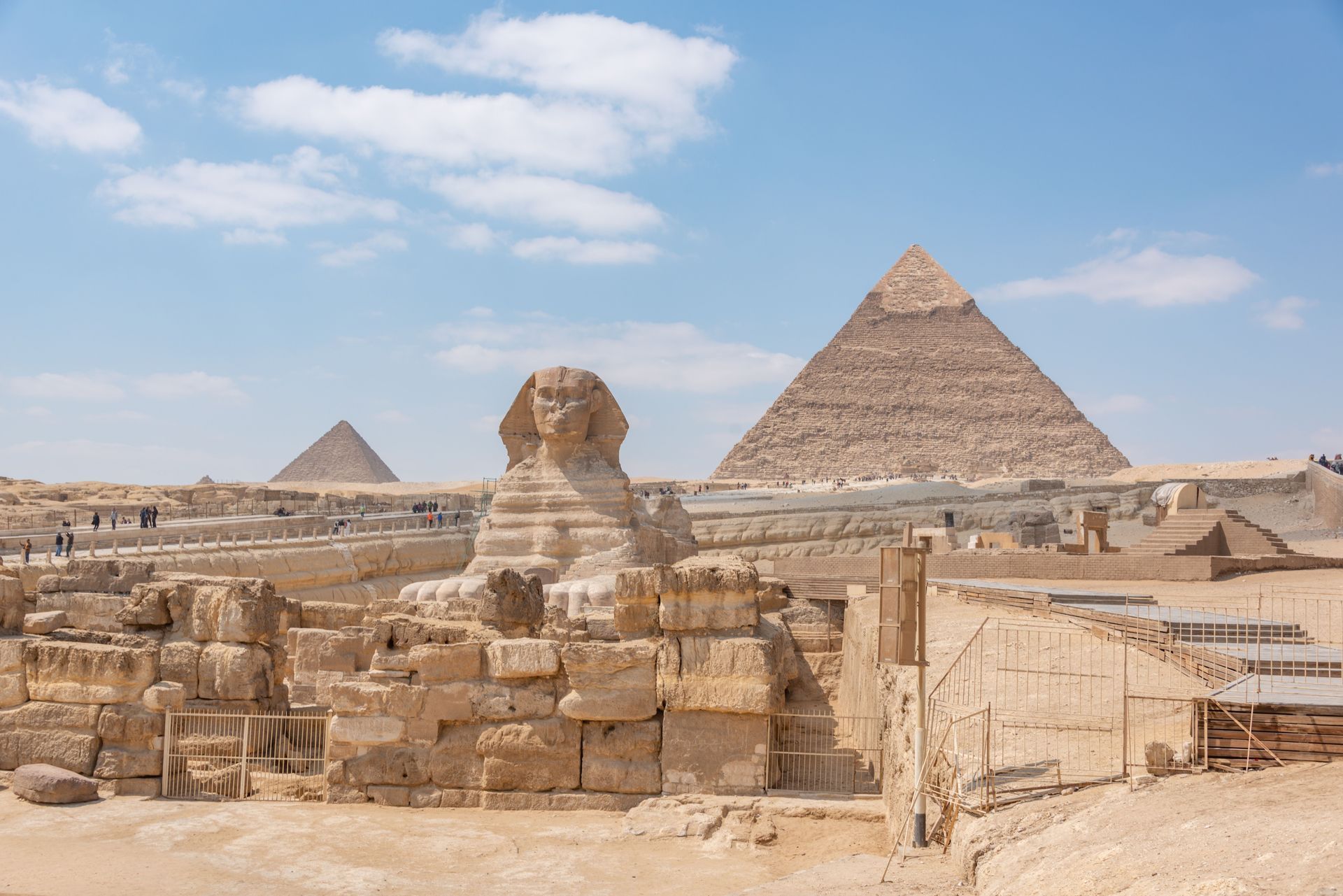
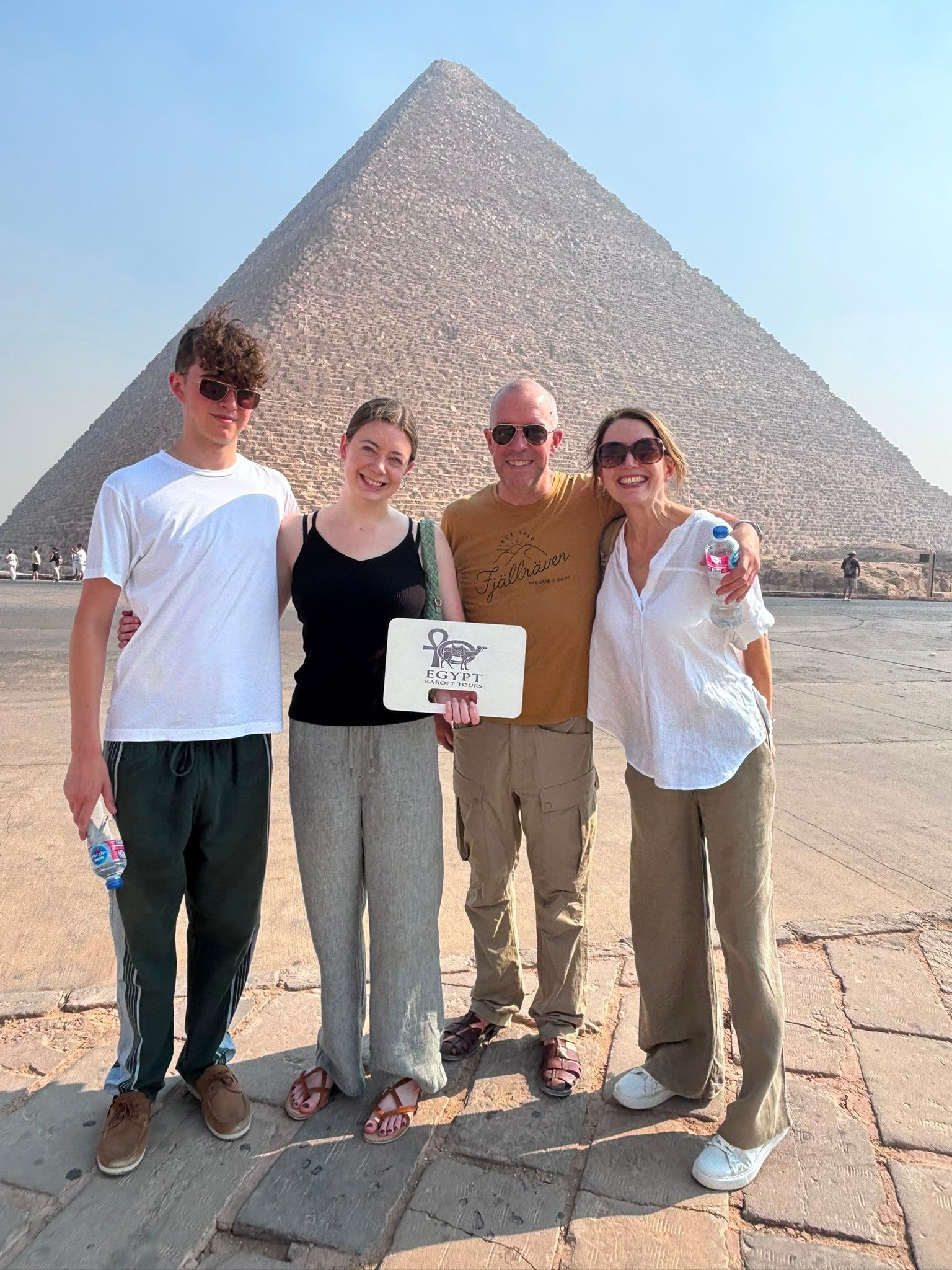
- Cairo & Giza — Safe. Heavy tourist police presence at all major sites, including the Pyramids and the Egyptian Museum.
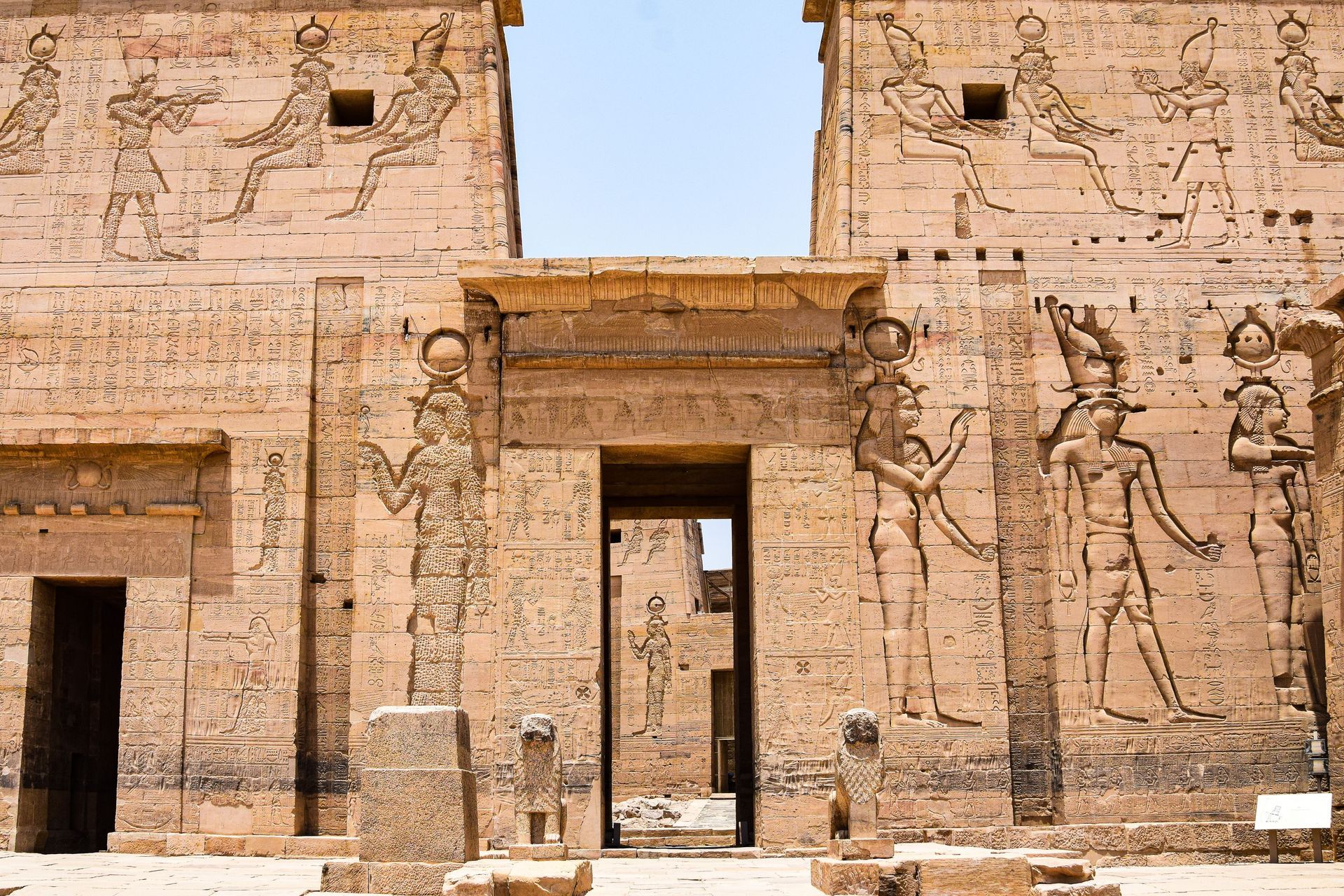
- Luxor — Safe. Well-established tourist infrastructure across both the East and West Banks.
- Aswan — Safe. Among the calmest, most tourist-friendly cities in the country.
- Nile Cruise (Luxor–Aswan) — Safe. Licensed operators follow strict security protocols on board and during shore excursions.
- Hurghada / Red Sea resorts — Safe. International resort security standards apply.
- Sharm El Sheikh — Safe. A tourist zone that's distinct from the North Sinai risk areas further north.
- North & Middle Sinai — Avoid. This carries an official Do Not Travel designation.
- Libyan border / Western Desert fringes — Avoid. This also carries an official Do Not Travel designation.
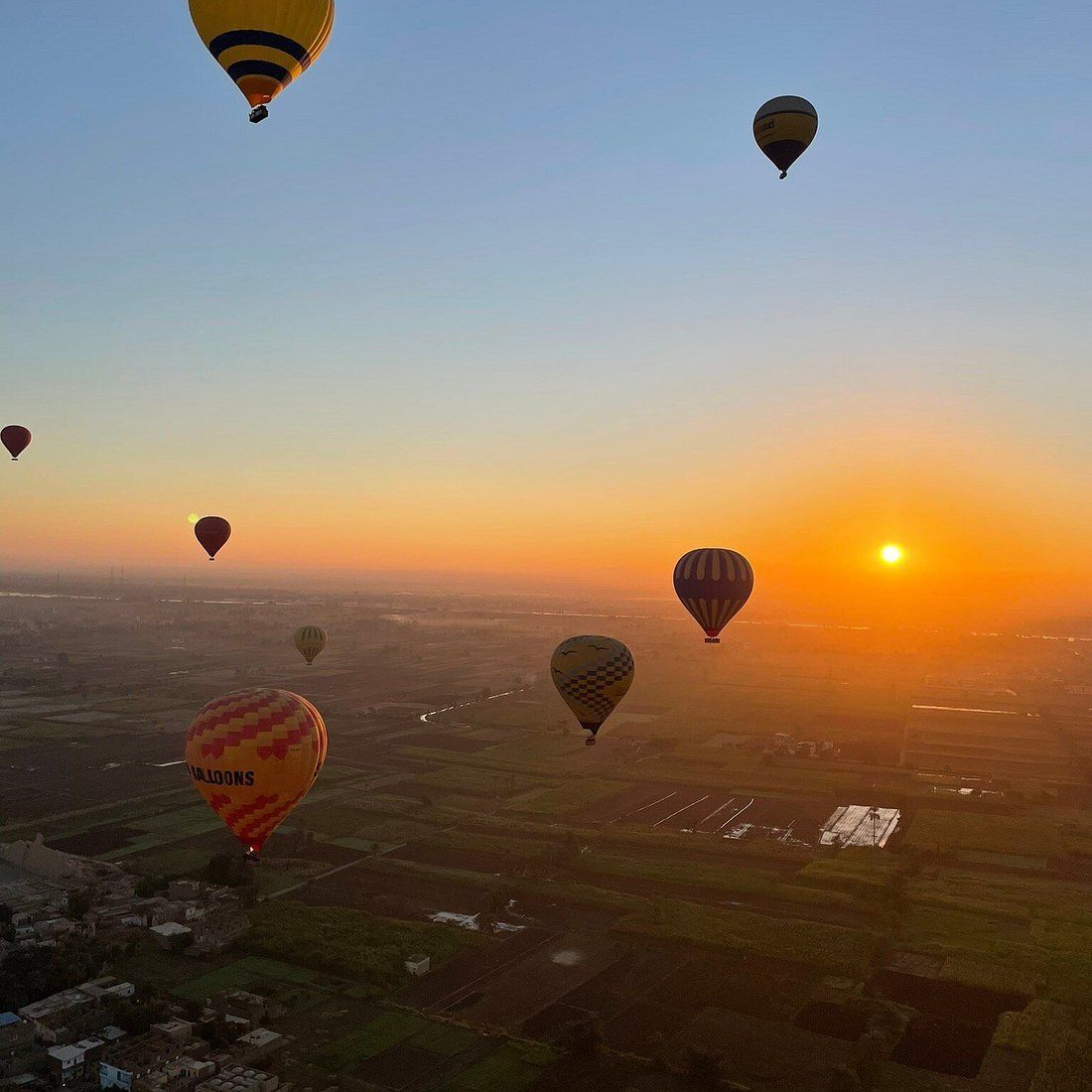
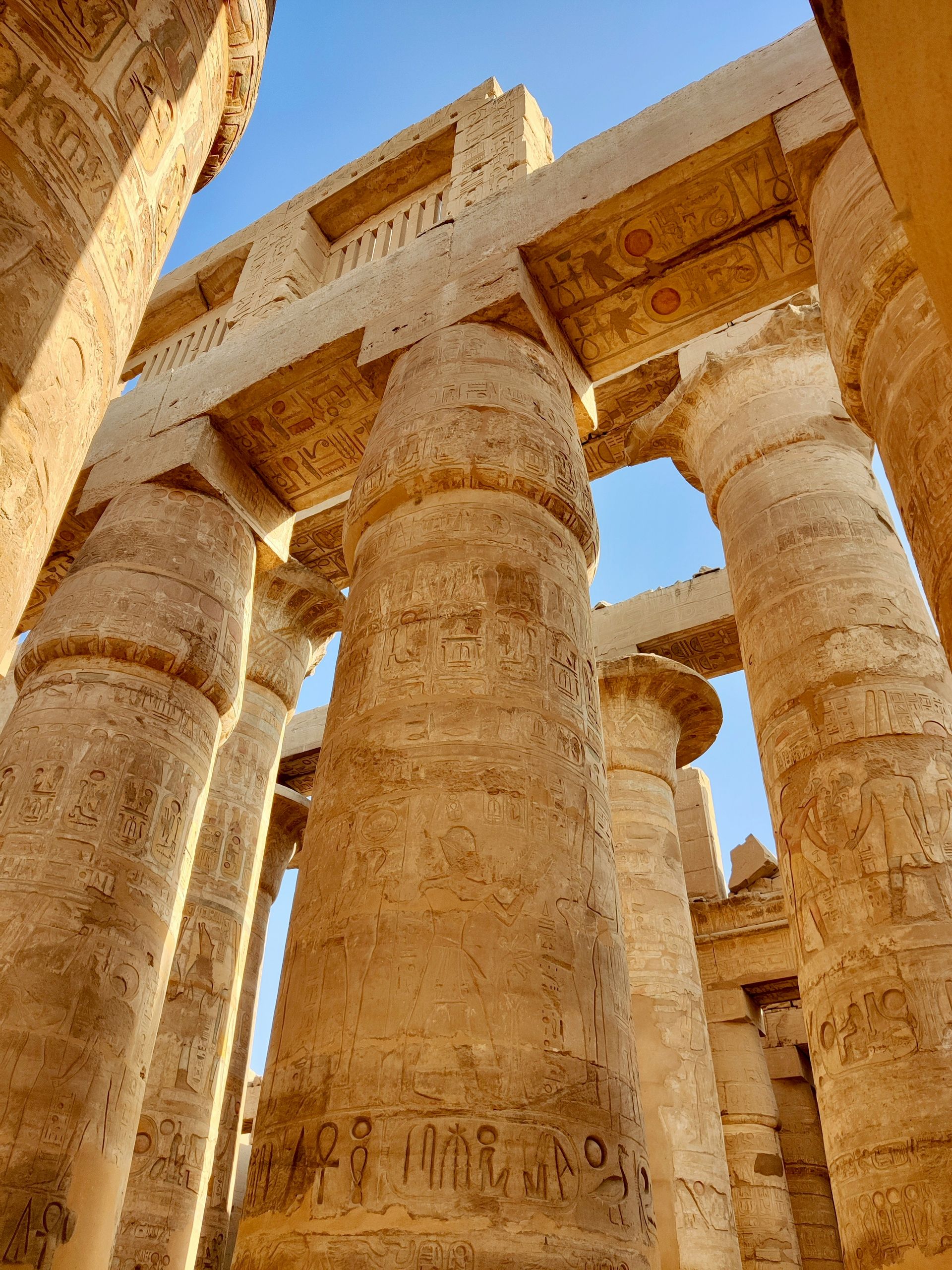
If your itinerary looks anything like a typical first-time trip — Cairo, a Nile cruise, Luxor, Aswan, maybe a few days at the Red Sea — you are simply not going anywhere on the "avoid" list.
What "Unsafe" Usually Means in Egypt: Scams, Not Danger
Here's the honest part most travel articles skip: the thing that actually trips up first-time visitors in Egypt isn't crime — it's overpaying and being pressured. Knowing the common patterns in advance takes away almost all their power.
- Taxi and rideshare tricks — Drivers claiming the meter is "broken," inventing a flat fare, or taking a longer route. Always agree on a price beforehand or use a metered ride-hailing app, and enter your destination yourself so there's no confusion.
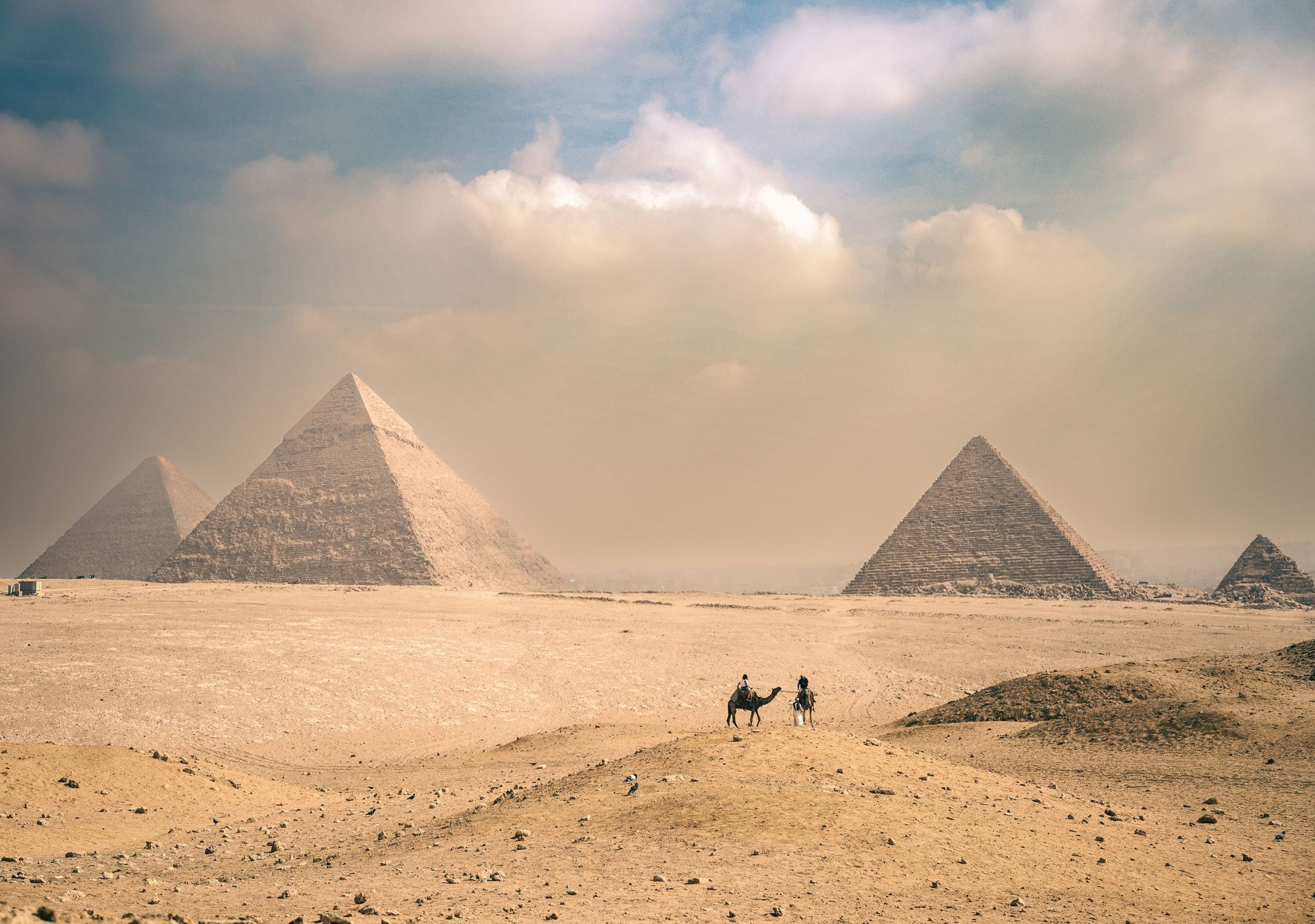
- The "photo helper" — Someone places a scarf on you, hands you a baby camel, or insists on taking your photo at the Pyramids, then demands payment. Politely decline unsolicited help before it starts, not after.
- Fake or unofficial tickets — People in official-looking uniforms selling "special access" tickets outside major sites. Buy tickets only at the official counter or through your tour operator.
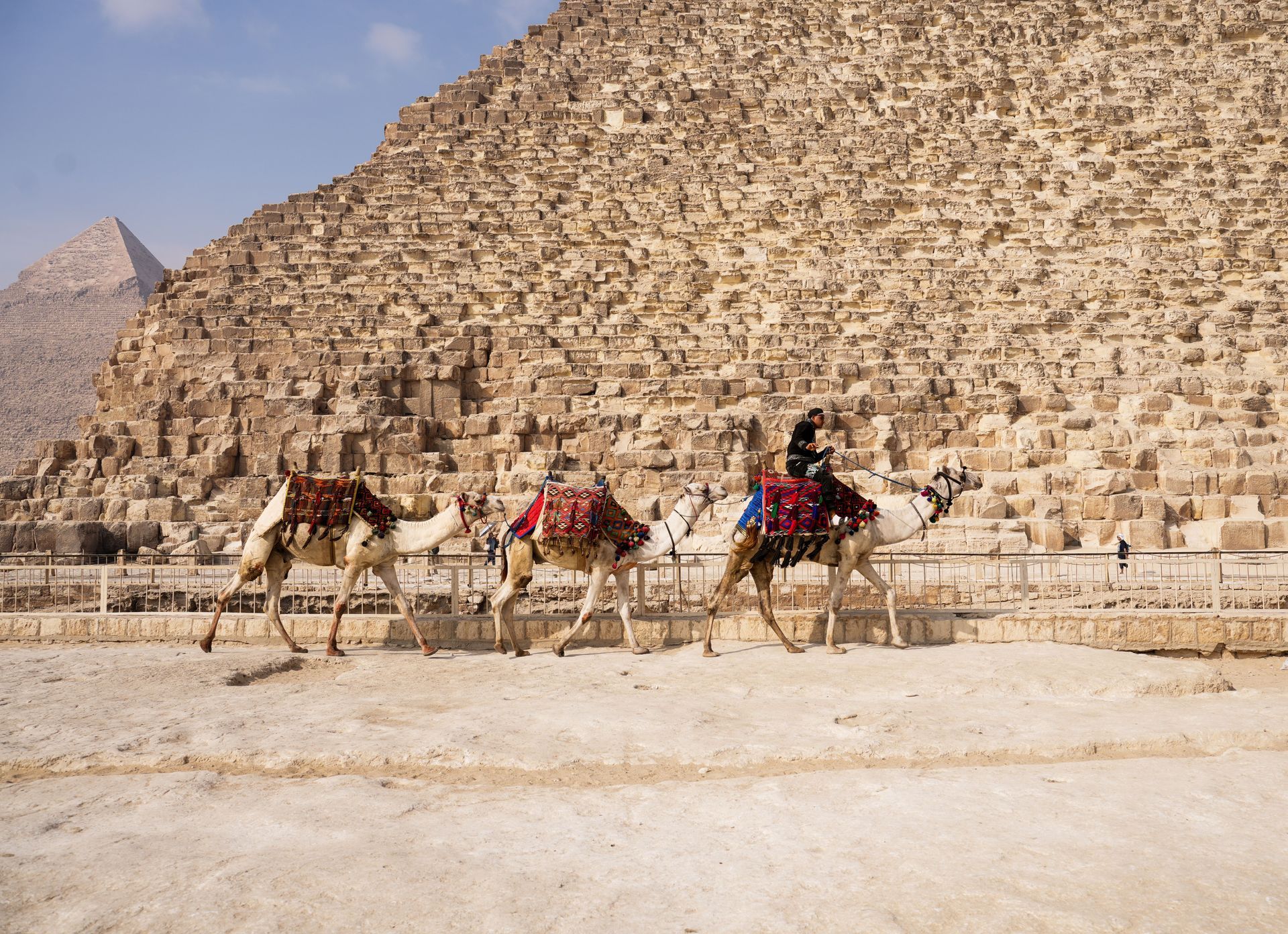
- The camel or horse ride price-switch — A quoted price multiplies once you're already mounted. Agree on the full price in writing or through a booked, reputable operator beforehand.
- Papyrus and souvenir upselling — "Government" shops claiming special one-day discounts, or papyrus sold as real that's actually banana leaf. Shop through vetted stores, and treat urgency ("only today!") as a red flag.
- The overly helpful local — Someone offers directions or "help," then walks you to a relative's shop or demands a tip for unsolicited assistance. A polite, firm decline works better than engaging.
None of this is dangerous. It's the same category of hassle you'd manage in any heavily touristed destination — Istanbul, Marrakech, Bangkok. The difference-maker is simply knowing what to expect before you land.
Is Egypt Safe for Solo and Female Travelers?
Yes — and this deserves a direct, honest answer rather than a vague reassurance. Violent crime against female tourists is rare, and Egypt has significantly expanded its tourist security infrastructure in recent years. The real day-to-day challenge for solo and female travelers is street harassment — persistent attention, comments, or unsolicited "help" in crowded areas — which is unpleasant but rarely escalates to danger.
A few things that consistently make the experience smoother:
- Dress modestly — shoulders and knees covered works well almost everywhere, especially away from resort areas.
- Move with confidence — hesitating or looking lost tends to attract more attention than walking with clear purpose.
- Use vetted transport and guides — private drivers and licensed guides remove most of the friction points solo travelers run into navigating independently.
- Base yourself smartly in Cairo — neighborhoods like Zamalek offer a calmer, more cosmopolitan environment for evenings out.
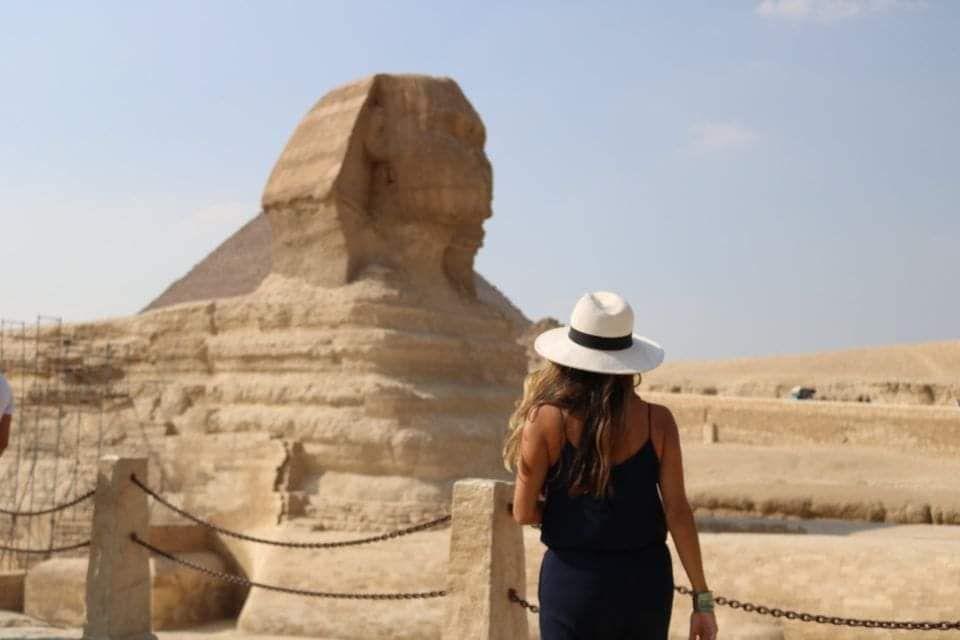
Many solo women describe Egypt as demanding more active awareness than, say, Western Europe — but entirely manageable, and genuinely rewarding for it.
Is a Nile Cruise Safe?
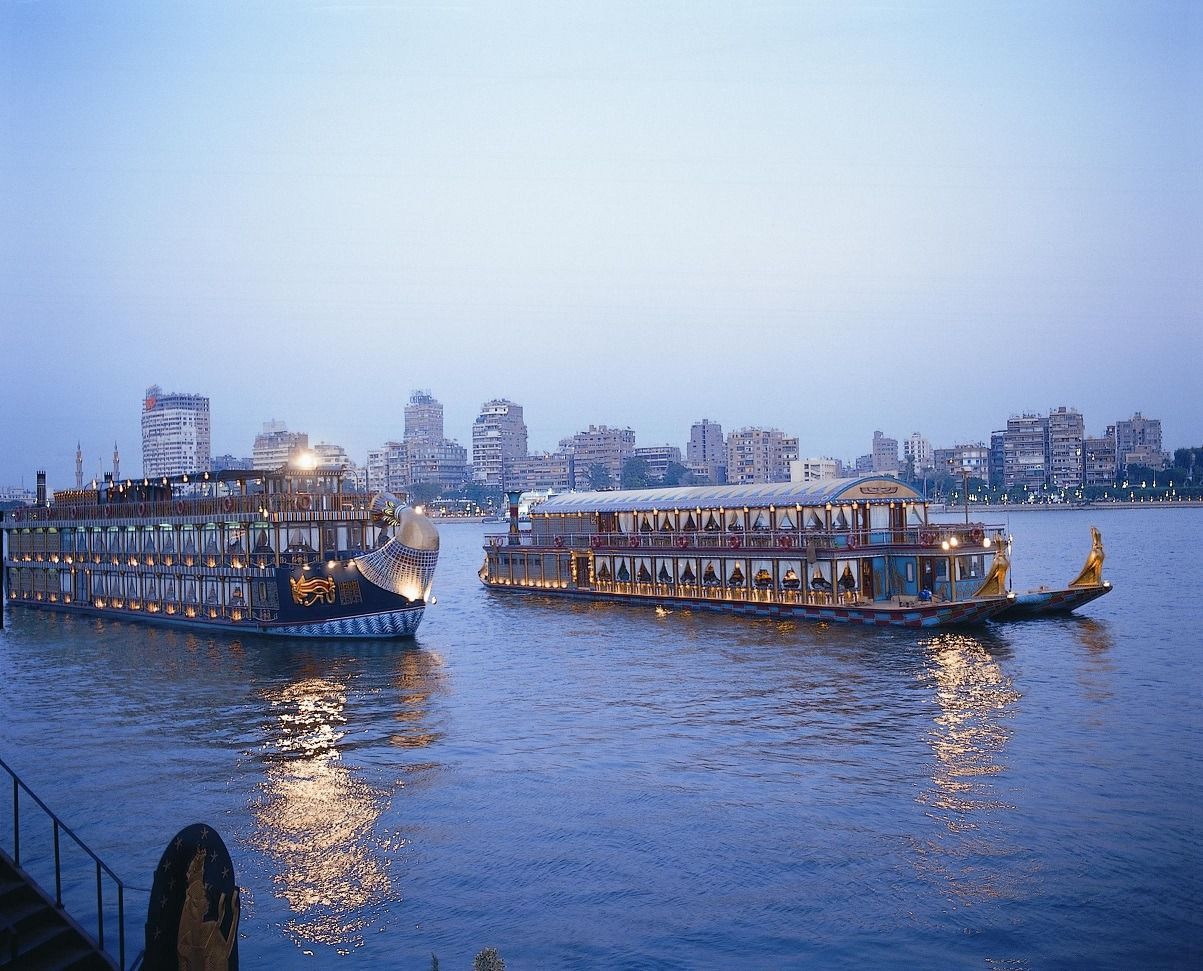
Yes. Nile cruises between Luxor and Aswan are one of the most secure ways to see Upper Egypt — you're sleeping and dining aboard a controlled, licensed vessel each night rather than navigating unfamiliar streets after dark, and shore excursions are typically run as organized groups with a guide.
This is paragraph text. Click it or hit the Manage Text button to change the font, color, size, format, and more. To set up site-wide paragraph and title styles, go to Site Theme.
Practical Safety Tips for a Smooth Trip
- Book through licensed operators. For tours, guides, and transport, working with a company that holds proper Egyptian tourism licensing (like Egypt Karoft Tours) removes the vast majority of scam risk automatically — from ticket authenticity to fair transport pricing.
- Agree on prices before you commit — taxis, camel rides, tips for "help" — always settle the number first.
- Keep some cash in small denominations for tipping (baksheesh is a genuine part of local custom, not a scam in itself) and carry a copy of your passport rather than the original when out for the day.
- Enroll in your government's traveler program — the U.S. STEP program or equivalent will alert you to any changes during your trip.
- Drink bottled or filtered water, and ease into unfamiliar street food rather than diving in on day one.
- Check current guidance before you fly — advisories are updated periodically, and a five-minute check against your government's official travel site is worth doing close to departure.
Frequently Asked Questions
Is it safe to walk around Cairo at night? In central, well-lit tourist areas — yes, and it's common to see other travelers doing the same. As in any major city, stick to busier streets and take a taxi or rideshare for longer distances after dark.
Is Egypt safe right now given regional tensions? Egypt's main tourist areas continue to operate normally, and advisories specifically separate border and remote zones from the tourist route. It's still worth checking your government's latest guidance shortly before departure, since advisories are reviewed periodically.
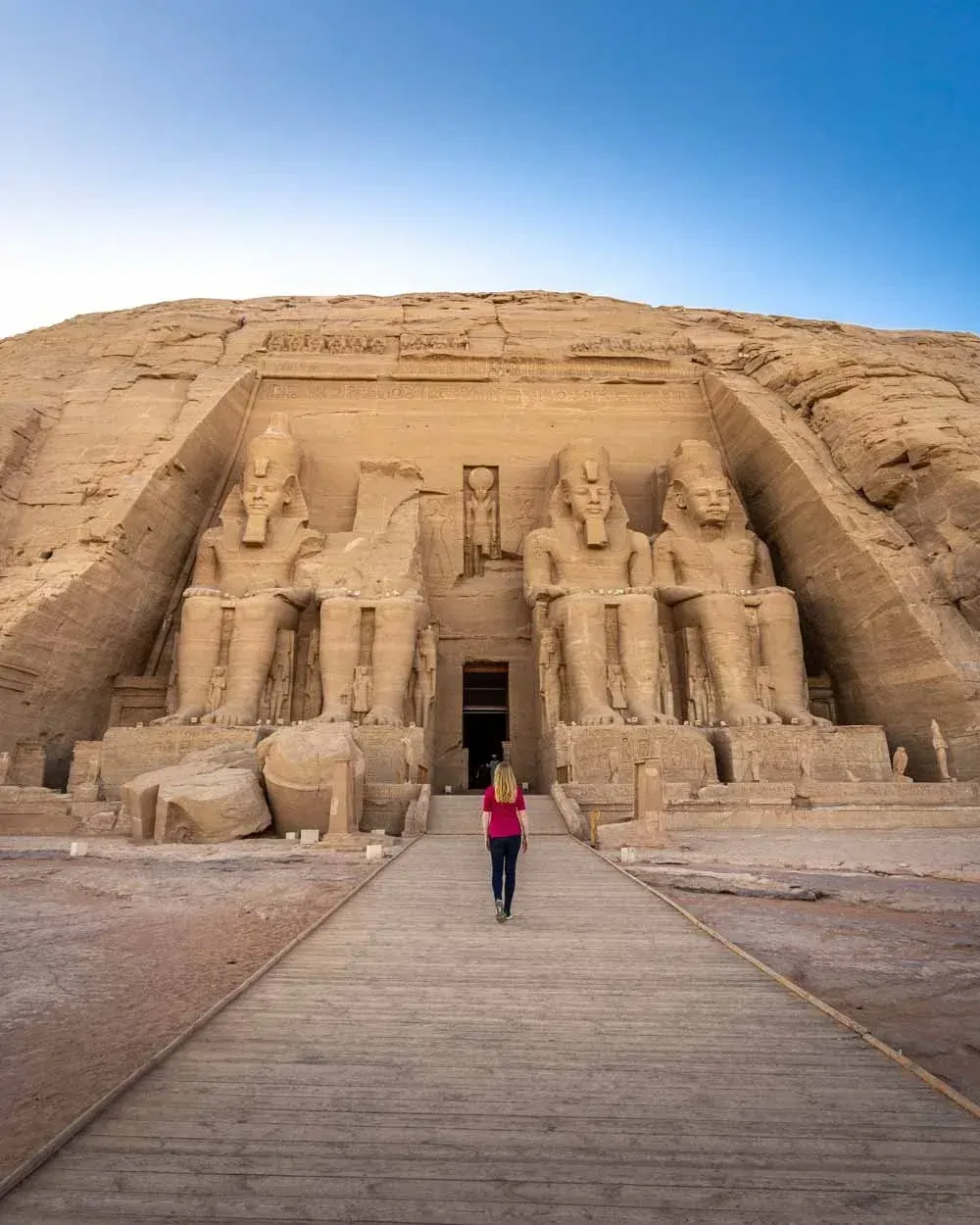
Do I need a guide, or can I travel independently? Independent travel is entirely possible, especially in Cairo and Red Sea resorts. Between cities, and at sites like the Valley of the Kings or Abu Simbel, a licensed guide adds both safety and context that's hard to replicate alone.
Is the tap water safe to drink? Stick to bottled or filtered water throughout your trip, including for brushing your teeth, to avoid an unnecessary stomach upset early in your travels.
The Honest Verdict
Egypt is safe to visit. Not "safe if you're lucky," and not without the same common sense you'd use in Rome, Delhi, or Mexico City — but safe, in the way millions of travelers experience every year. The real risks aren't violence; they're overpaying a taxi driver or getting talked into a camel ride you didn't want. Both are entirely avoidable once you know the patterns.
At Egypt Karoft Tours, this is exactly why we build our trips around licensed guides, vetted transport, and itineraries that stay within the well-established tourist corridors — so the only thing you have to think about is which temple to photograph next.