The Discovery of Tutankhamun's Tomb: Inside the Greatest Archaeological Find in History
How Howard Carter Unearthed the Boy King's Golden Legacy in the Valley of the Kings
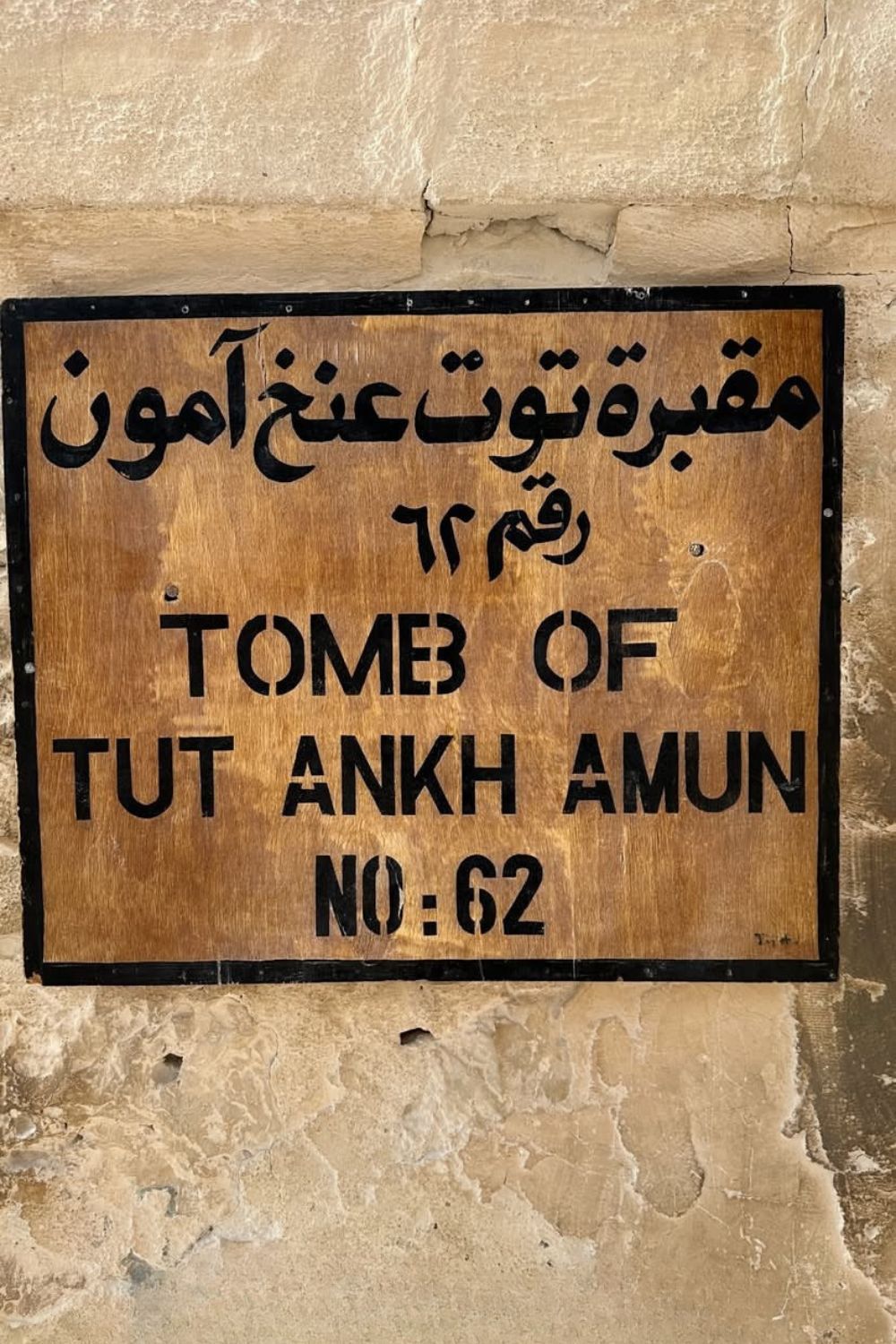
For more than three thousand years, the Valley of the Kings on the west bank of Luxor guarded one of the most extraordinary secrets in human history: the untouched burial chamber of a young pharaoh named Tutankhamun. When British archaeologist Howard Carter finally broke through a sealed doorway on November 4, 1922, he did more than uncover a tomb — he opened a window into ancient Egypt that the world had never seen before. Today, the discovery of Tutankhamun's tomb remains the single most famous archaeological find of the modern era, and understanding its story is essential for anyone planning a journey through Egypt's ancient wonders.
Who Was Tutankhamun?
Tutankhamun, often nicknamed "King Tut," ascended the throne of Egypt around 1332 BCE at the age of just nine years old, during the late 18th Dynasty of the New Kingdom. He reigned for approximately ten years before dying under circumstances that scholars still debate, somewhere around the age of nineteen. In the grand narrative of Egyptian history, Tutankhamun was a relatively minor king — his short reign left few major monuments, and later pharaohs largely erased his memory from official records because of his family's controversial religious reforms.
Ironically, it was this historical obscurity that preserved his legacy. Because Tutankhamun was considered unimportant by later generations, his small tomb was overlooked, built over, and eventually forgotten — while the grander tombs of more famous pharaohs were repeatedly plundered by ancient tomb robbers. This twist of fate meant that when Howard Carter finally located tomb KV62, he found something no other Egyptologist had ever encountered: a royal burial that was almost completely intact.
Howard Carter and the Search for a Lost King
Howard Carter was a British archaeologist and Egyptologist who had spent decades working in Egypt before his defining moment. Backed by the wealthy British aristocrat Lord Carnarvon, Carter had become convinced that an undiscovered tomb belonging to Tutankhamun still lay hidden somewhere within the Valley of the Kings, despite most experts believing the valley had already given up all its secrets.
For nearly five years, Carter's excavation yielded disappointing results, and Lord Carnarvon grew increasingly reluctant to continue funding the search. Carter was given one final season to prove his theory. On November 4, 1922, workers under Carter's direction uncovered a step cut into the bedrock — the first stone stair of a hidden staircase that had lain buried under debris from another, more famous tomb for thousands of years.
November 26, 1922: The Moment That Changed Egyptology Forever
After clearing the stairway and a sealed doorway bearing royal necropolis seals, Carter and Lord Carnarvon stood before a second blocked entrance deep underground. On November 26, 1922, Carter made a small breach in the corner of the doorway and held a candle up to the gap. When Lord Carnarvon asked if he could see anything, Carter famously replied, "Yes, wonderful things."
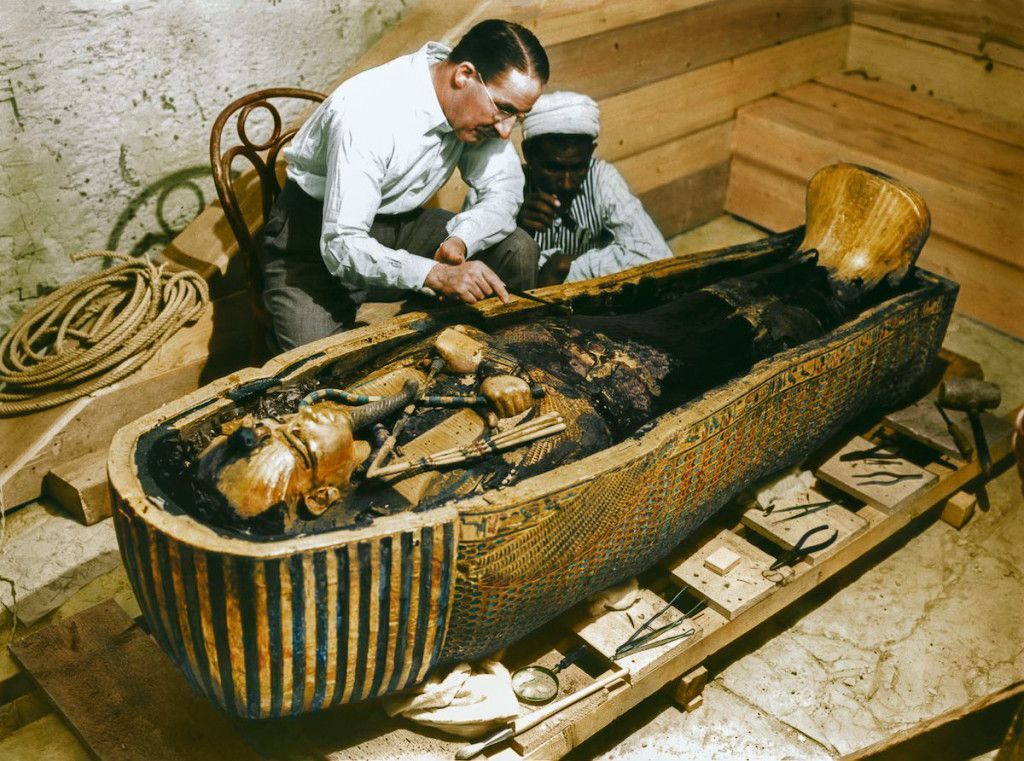
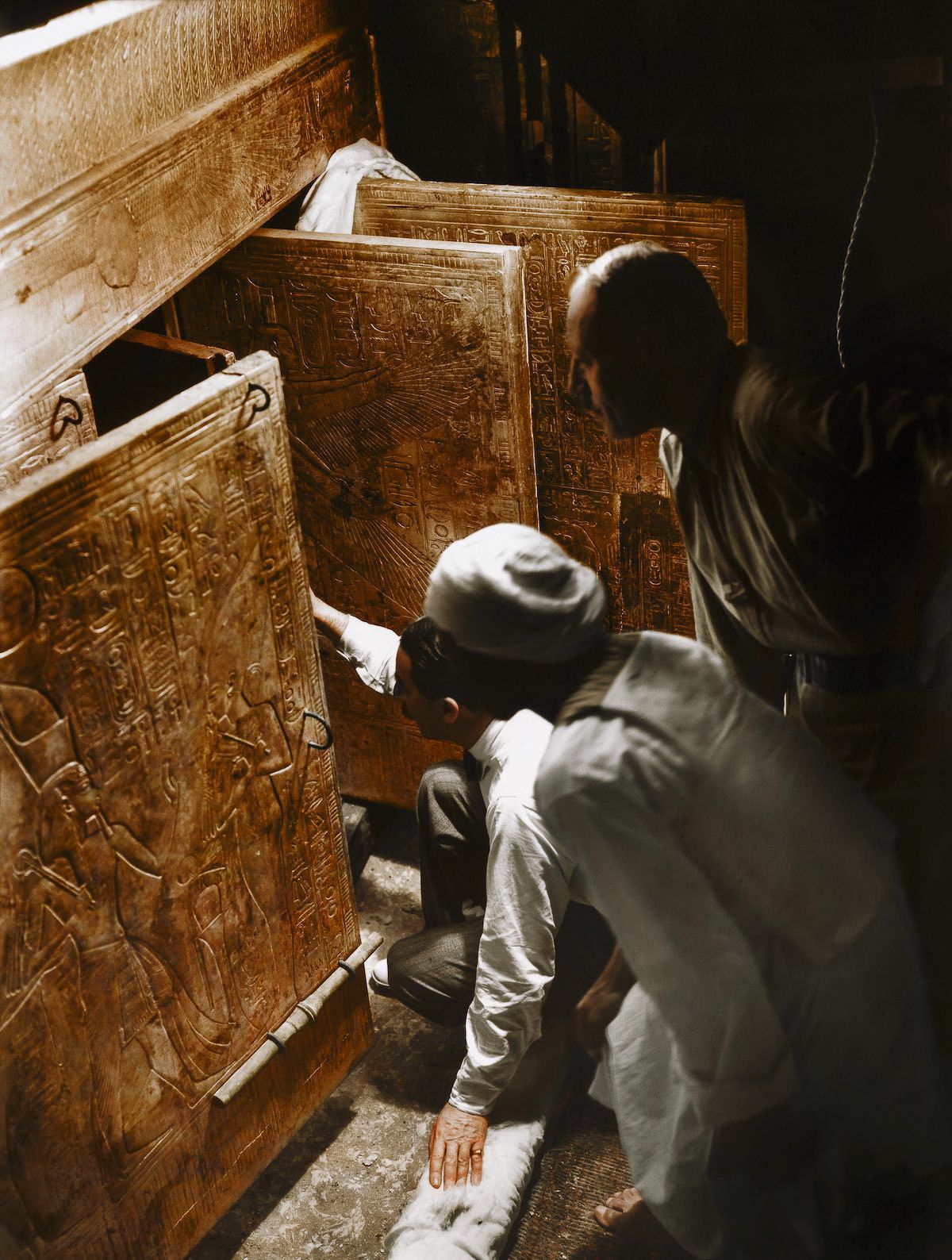
Behind that doorway lay an antechamber crammed with gilded furniture, statues, chariots, and treasures the world had never imagined possible — all belonging to a pharaoh whose very existence had been little more than a footnote in history. It would take Carter and his team nearly ten years to fully catalogue, conserve, and remove the thousands of artifacts found within Tutankhamun's tomb, a testament to the sheer scale of the find.
What Made the Discovery So Extraordinary
Unlike almost every other pharaonic tomb in the Valley of the Kings, Tutankhamun's burial was found essentially undisturbed by ancient looters. Inside, Carter's team discovered more than 5,000 individual objects, including:
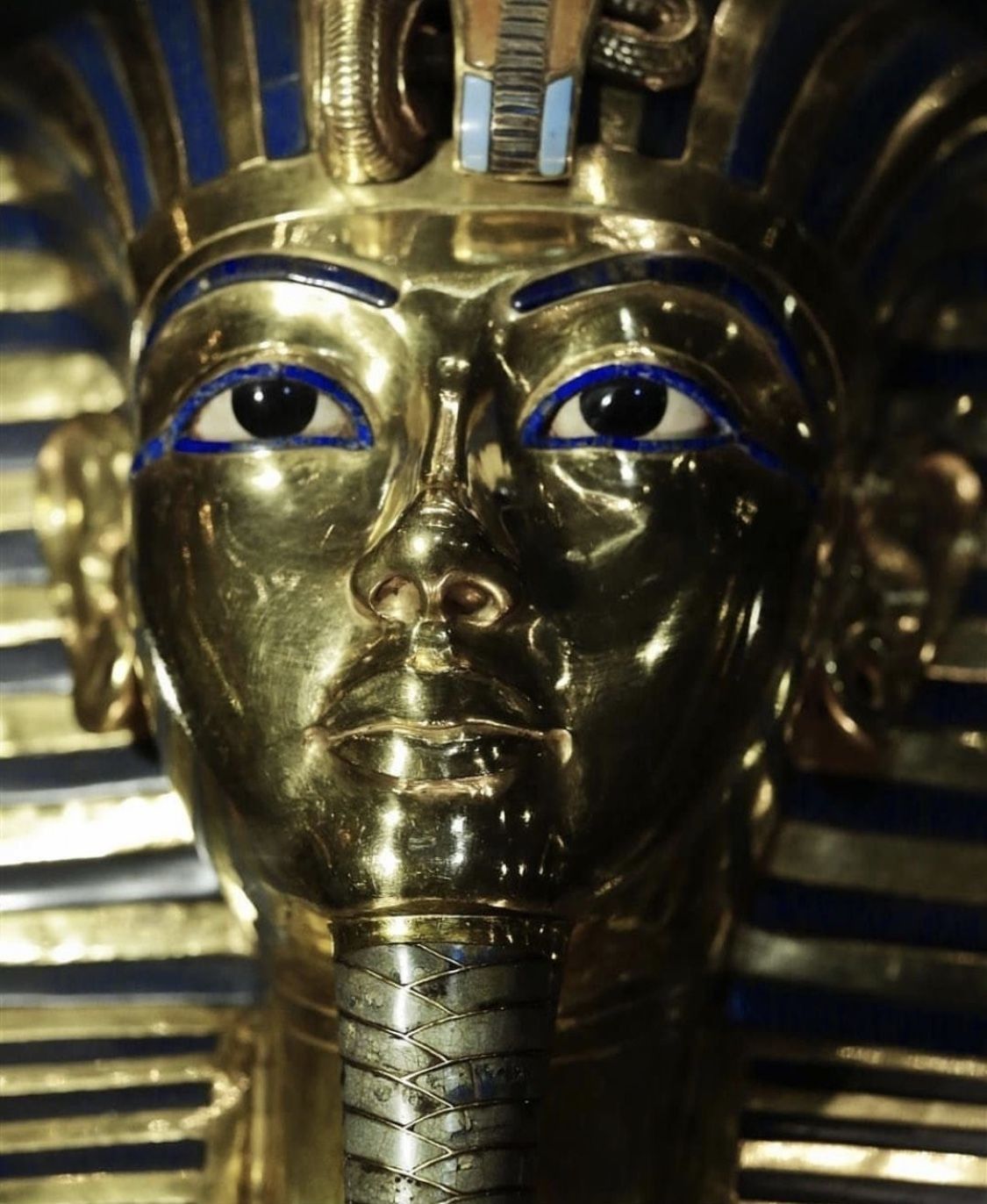
- The iconic solid gold death mask of Tutankhamun, now one of the most recognized artifacts in the world
- A nested series of gilded wooden shrines and a stone sarcophagus housing three coffins, the innermost made of solid gold
- Chariots, weapons, jewelry, and ceremonial thrones
- Furniture, clothing, food, and wine intended to accompany the king into the afterlife
- Statues of guardian deities and the young king himself
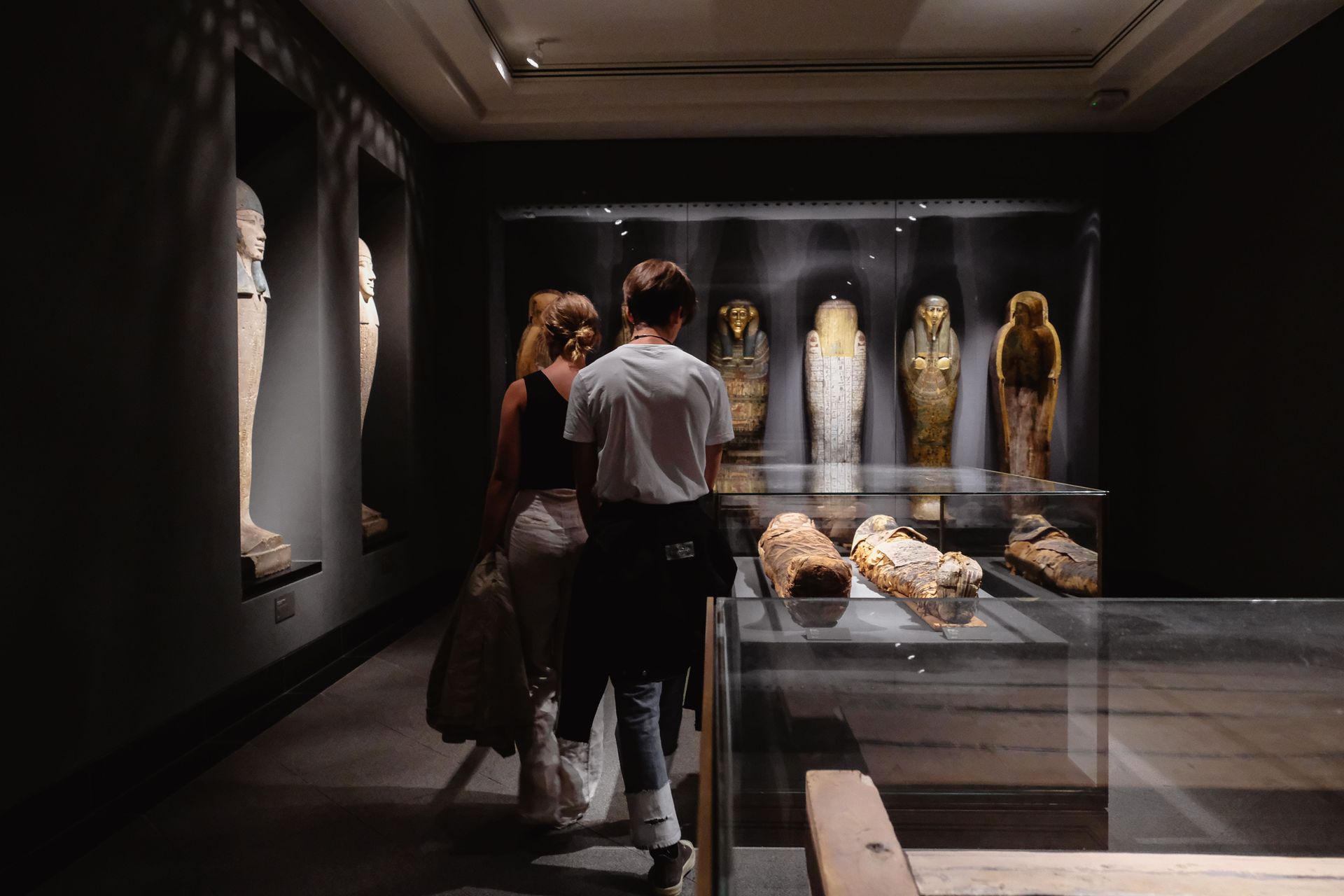
This unparalleled collection gave archaeologists, historians, and the public an unprecedented, direct view into royal life, religious beliefs, and burial customs of ancient Egypt during the New Kingdom period.
The Global Impact: Tutankhamun Fever and the Birth of "Egyptomania"
News of Howard Carter's discovery spread across the globe within days, igniting a wave of public fascination that came to be known as "Egyptomania." Fashion, architecture, jewelry, and film design throughout the 1920s absorbed motifs inspired by ancient Egypt. Newspapers dispatched correspondents to Luxor, and the Valley of the Kings became an international sensation almost overnight.
The discovery also transformed Egyptology from a niche academic pursuit into a subject of worldwide public passion, fueling a surge of tourism to Egypt that continues to this day. More than a century later, the treasures of Tutankhamun still draw millions of visitors each year to see the artifacts up close, whether at the Grand Egyptian Museum in Giza or through the ongoing legacy of the tomb itself in Luxor.
Visiting Tutankhamun's Tomb and Treasures Today
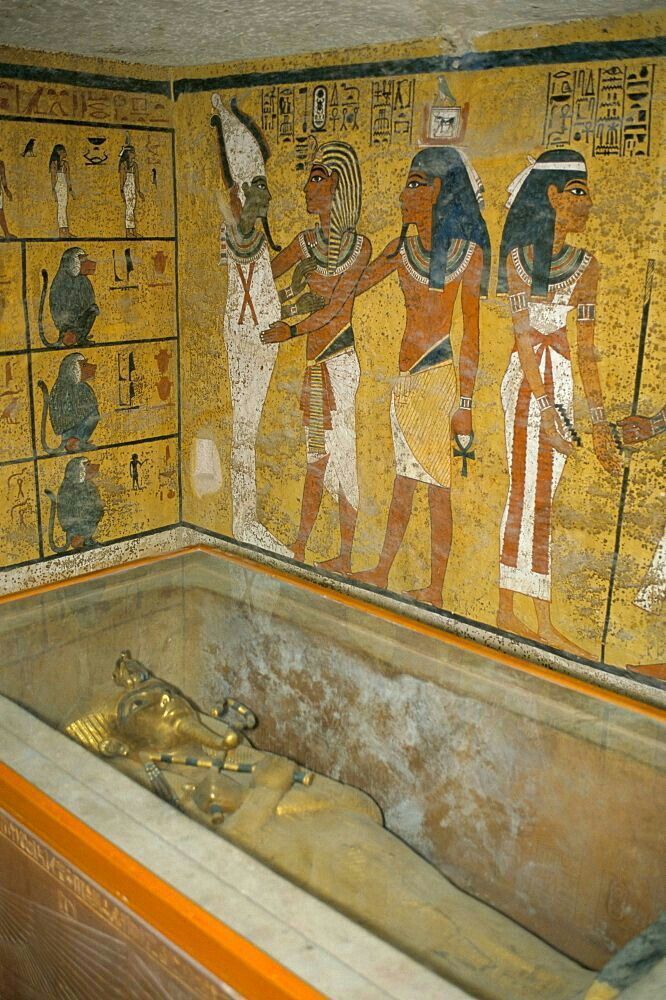
Travelers who want to walk in Howard Carter's footsteps can visit tomb KV62 in the Valley of the Kings, near Luxor, where the young king's mummy still rests. Many of the original treasures recovered from the tomb — including the legendary golden mask — are now showcased at the Grand Egyptian Museum near the Giza Pyramids, offering visitors the chance to see the full scale of this remarkable discovery in one place.
Experiencing the story of Tutankhamun firsthand, guided by knowledgeable local experts, transforms this history from a page in a textbook into a vivid, unforgettable journey through one of the greatest archaeological adventures ever told.
Conclusion
The discovery of Tutankhamun's tomb by Howard Carter in 1922 stands as a defining moment in the history of archaeology — a rare instance where legend, persistence, and sheer luck converged to reveal an untouched piece of the ancient world. More than one hundred years later, the golden treasures of the boy king continue to captivate travelers, historians, and dreamers alike, cementing Tutankhamun's place not as a forgotten minor pharaoh, but as one of the most famous rulers in all of human history.