What Cairo Is Really Like: The Honest Guide to Its Chaos, Warmth, and Magic (2026)
What Cairo Is Really Like: The Honest Guide to Its Chaos, Warmth, and Magic (2026)
If you've been typing "what is Cairo really like" or "is Cairo culture shock" into Google at 1 a.m. before your trip, you're not alone — and you're not overthinking it. Cairo isn't a city that eases you in gently. It's loud, it moves fast, and it doesn't look anything like the calm, golden-lit postcard photos of the Pyramids that got you excited about this trip in the first place.
Here's the honest version, from people who live here: yes, it's intense. And yes, almost everyone who gives it a real chance ends up loving it more than any other city they've visited. This isn't a "don't worry, it's totally fine" article. It's a real answer to what you're actually going to feel the moment you step outside — and why it's worth pushing through the first few hours to get to the part that makes people come back to Egypt again and again.
The First Hour: What Actually Hits You
Nobody's imagination fully prepares them for Cairo traffic. There are lanes painted on the roads, and everyone treats them as more of a suggestion than a rule. Cars merge by inches, horns are used constantly — not out of anger, just as a kind of running conversation between drivers — and crossing the street often means walking out into moving traffic with quiet confidence, the same way everyone else does.
Add to that the noise of street vendors calling out prices, the call to prayer echoing across the city five times a day, and the sheer size of it all — Greater Cairo is home to more than 20 million people, making it one of the largest urban areas in the world — and it's easy to feel like you've landed somewhere that's moving too fast to keep up with.
This is the part almost every travel blog about Cairo mentions, and it's real. What most of them don't tell you clearly enough is what comes next.
The Part Nobody Warns You About: How Fast It Turns Into Something You Love
Give it about a day. Once the traffic stops feeling like danger and starts feeling like rhythm, Cairo opens up completely differently.
You'll notice it in small moments — a shop owner who insists you sit down for tea before you even ask about anything he's selling, a stranger who walks ten minutes out of his way just to point you in the right direction, a taxi driver who wants to know where you're from and tell you, proudly, about his cousin who lives in your country. Egyptian hospitality isn't a tourism-brochure phrase. It's genuinely how people here treat guests, and it shows up constantly, in ways that quietly recalibrate how "chaotic" the city feels.
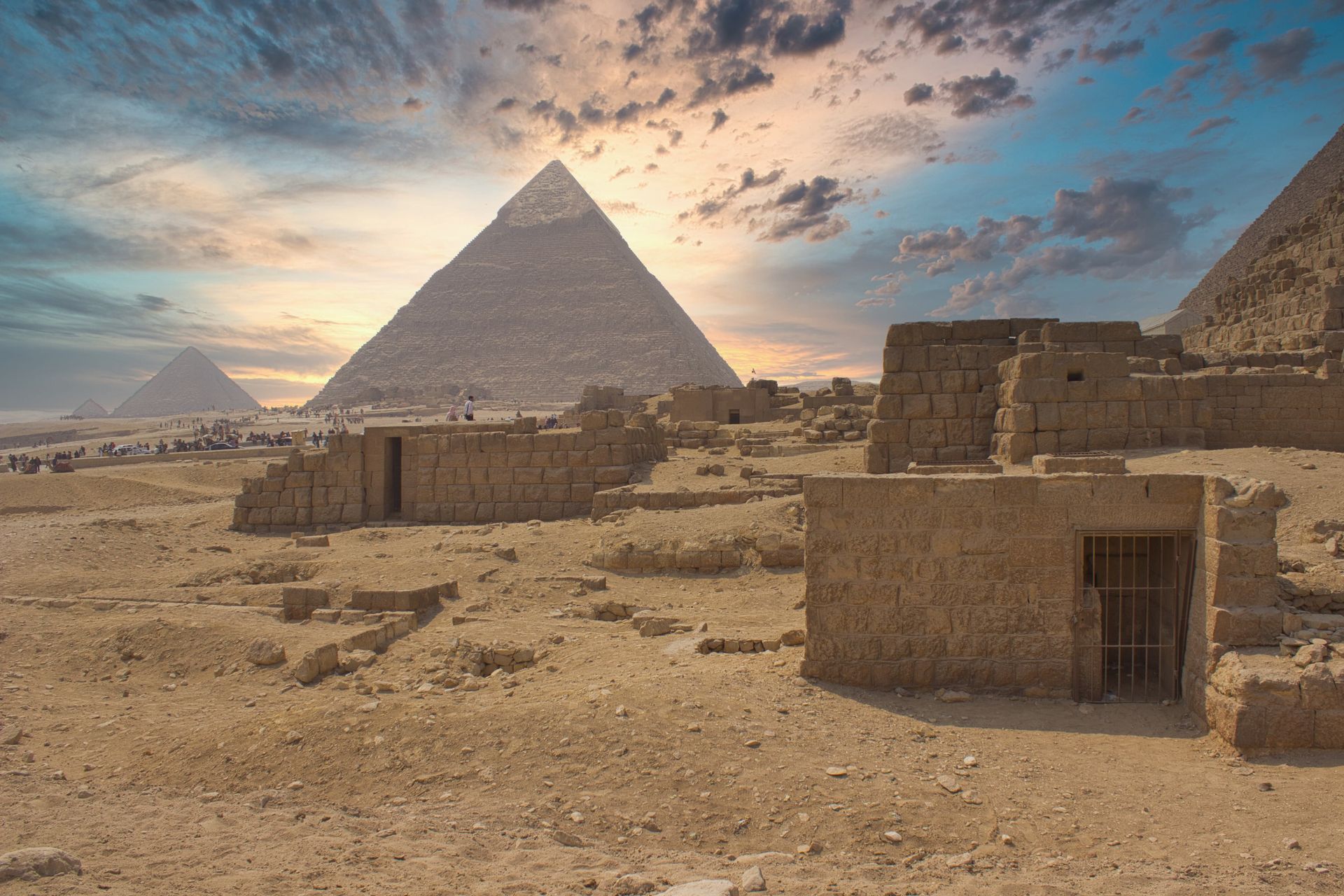
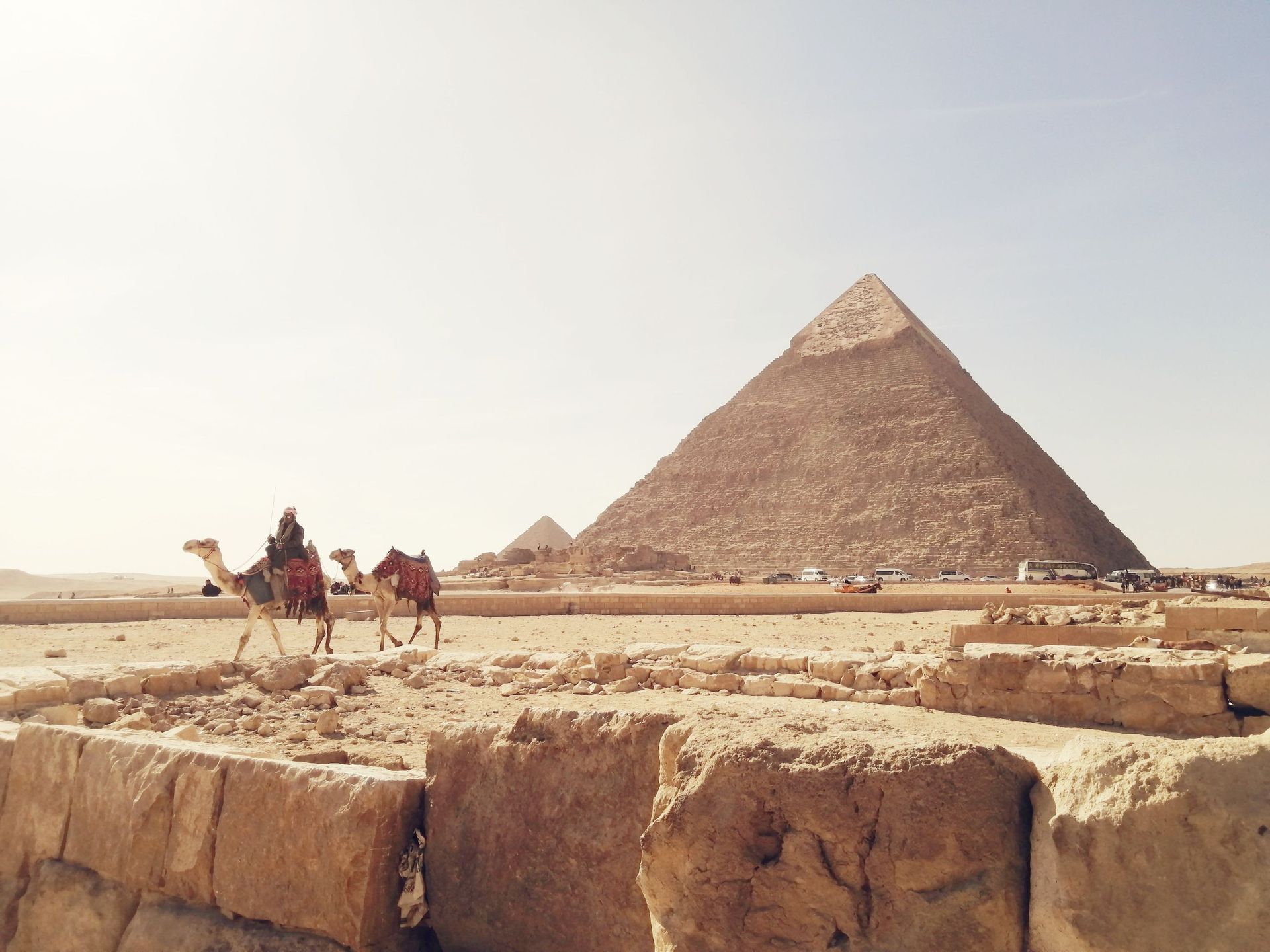
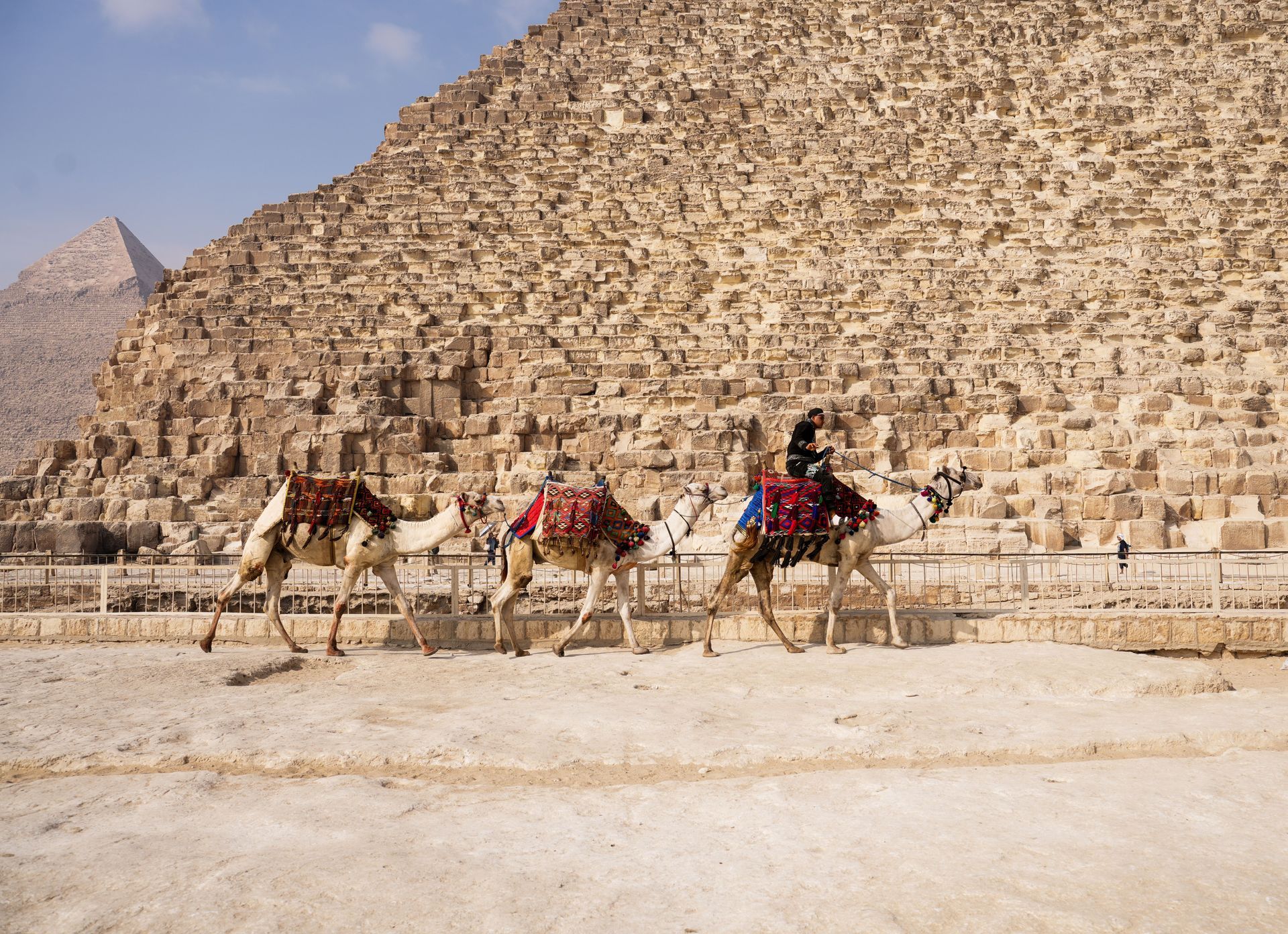
Cairo is also, underneath the noise, a city that holds three thousand years of history in a single afternoon. You can stand in front of the Great Pyramid of Giza in the morning, wander the medieval alleyways and mosques of Islamic Cairo by lunchtime, and watch the sun go down from a felucca sailboat on the Nile — all separated by a twenty-minute car ride. Few cities on earth compress that much depth into that little distance.
Cairo Is Actually Several Cities in One
Part of what makes "what is Cairo like" such a hard question to answer honestly is that Cairo doesn't have one atmosphere — it has several, and they sit right next to each other.
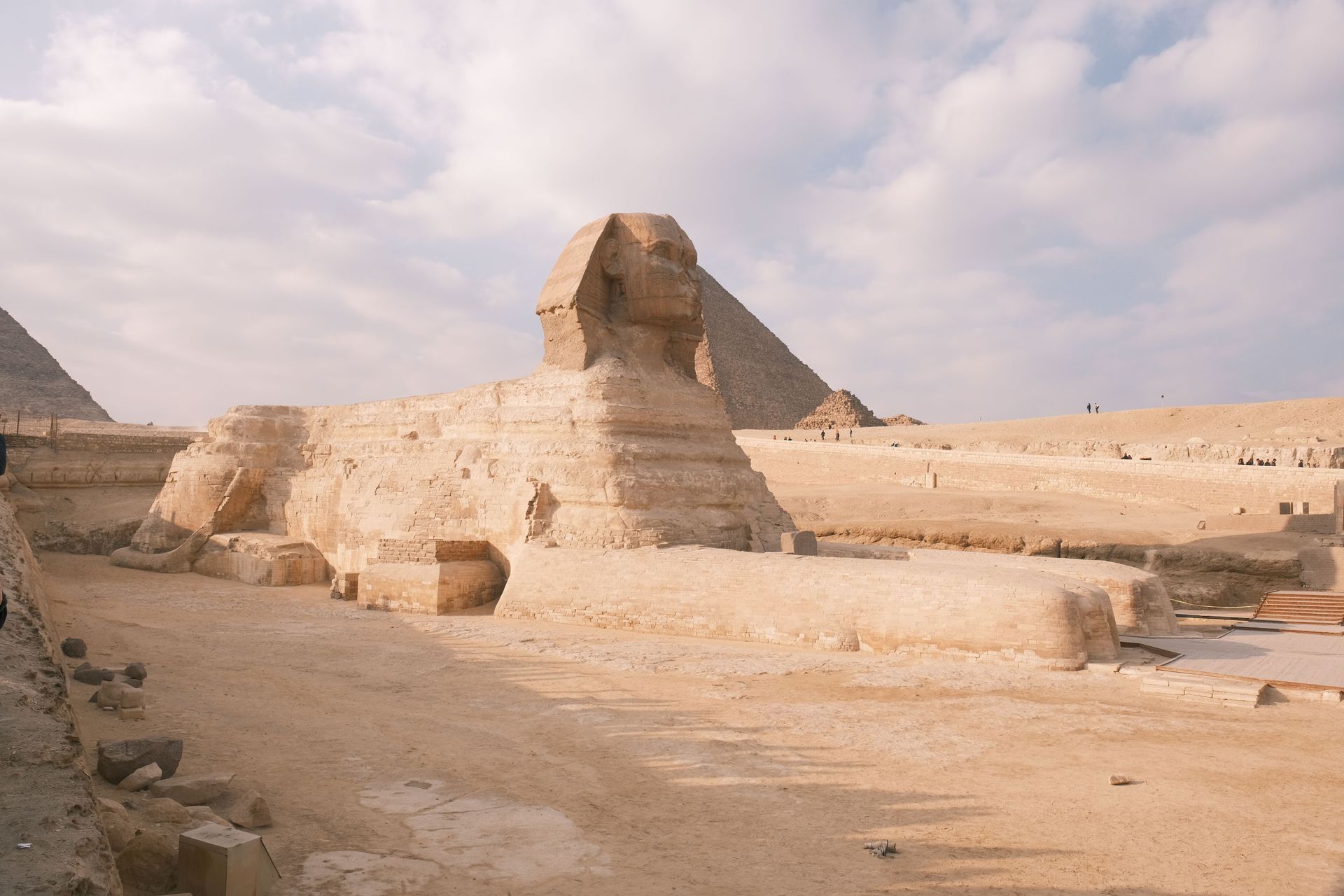
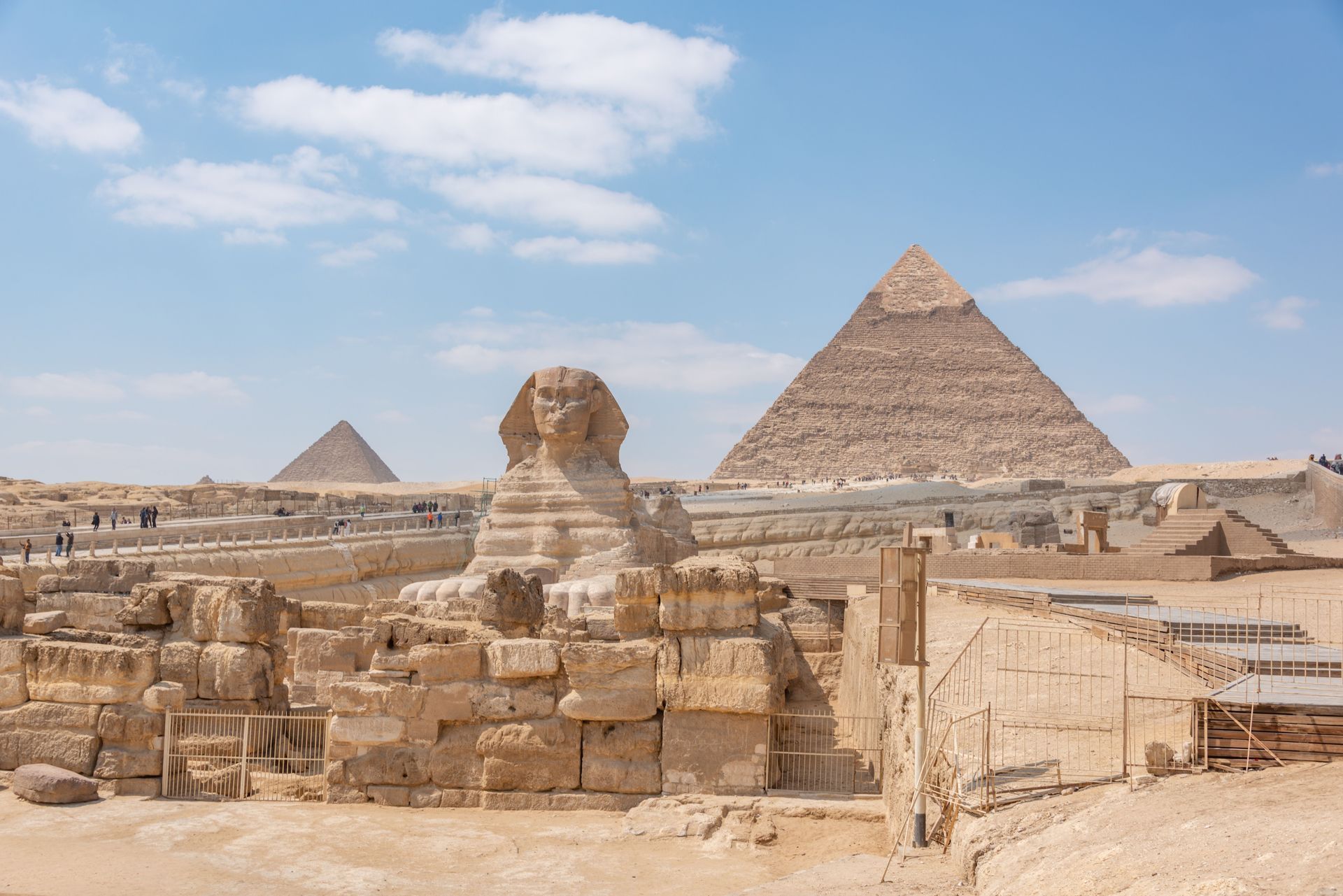
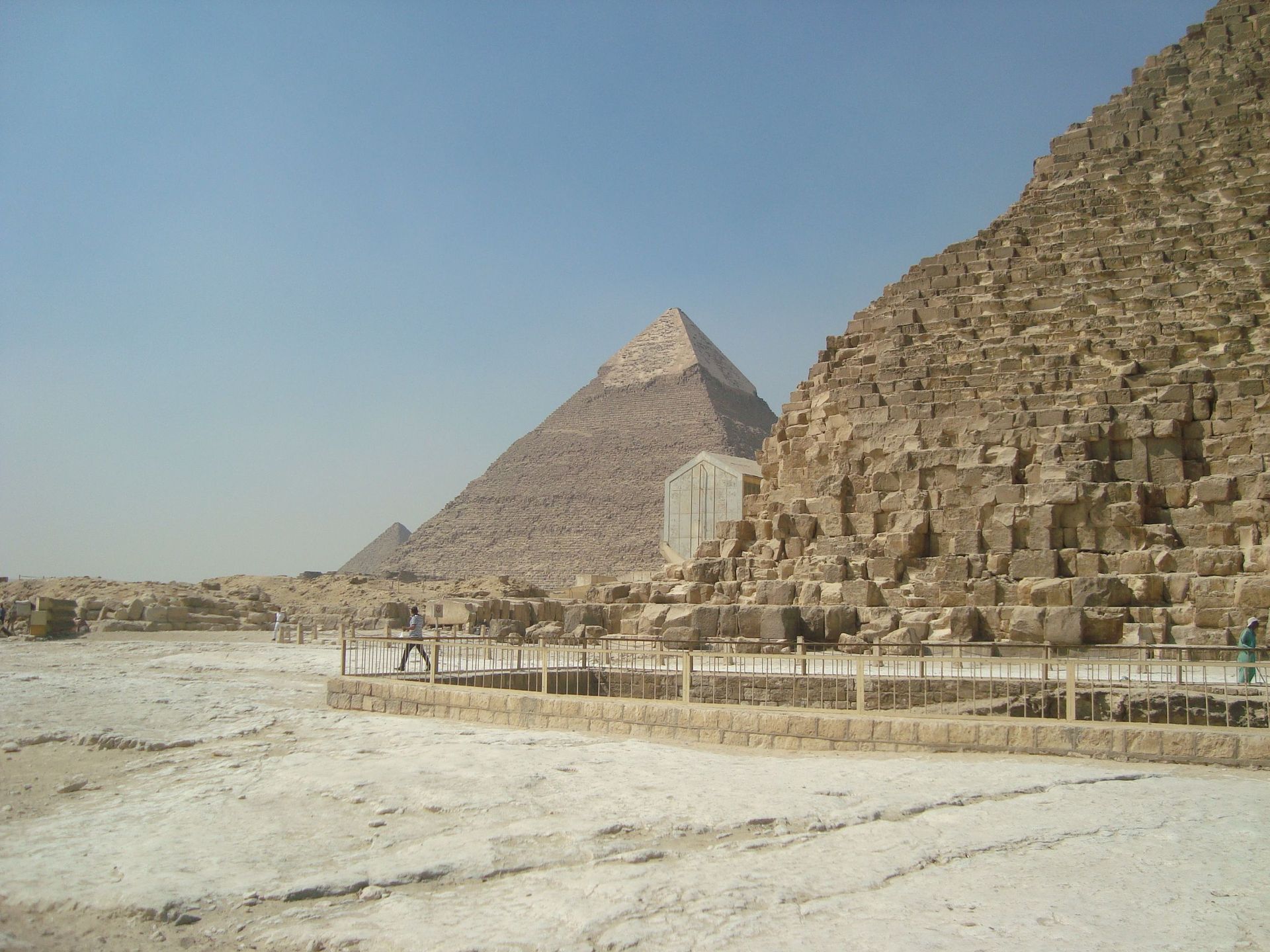
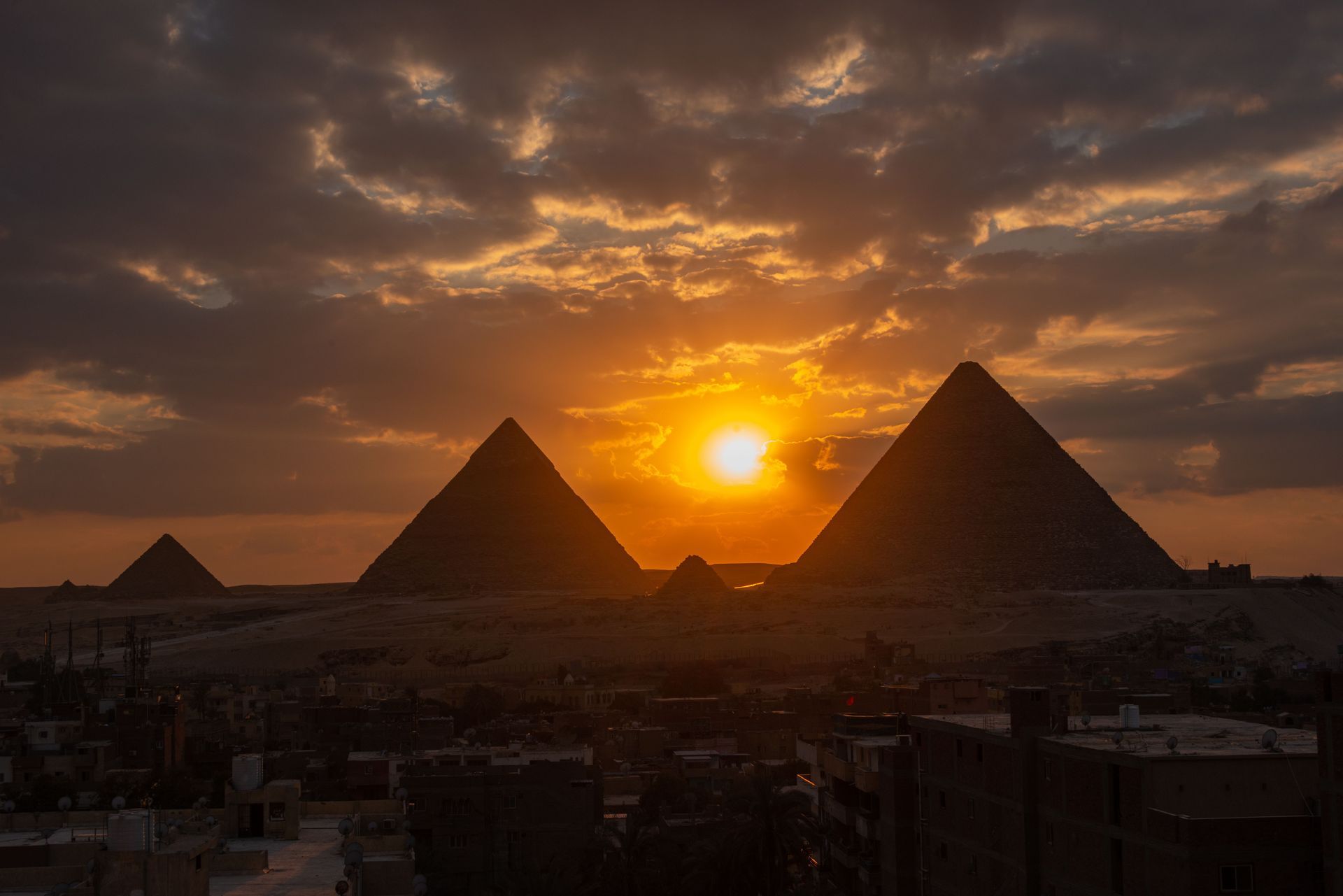
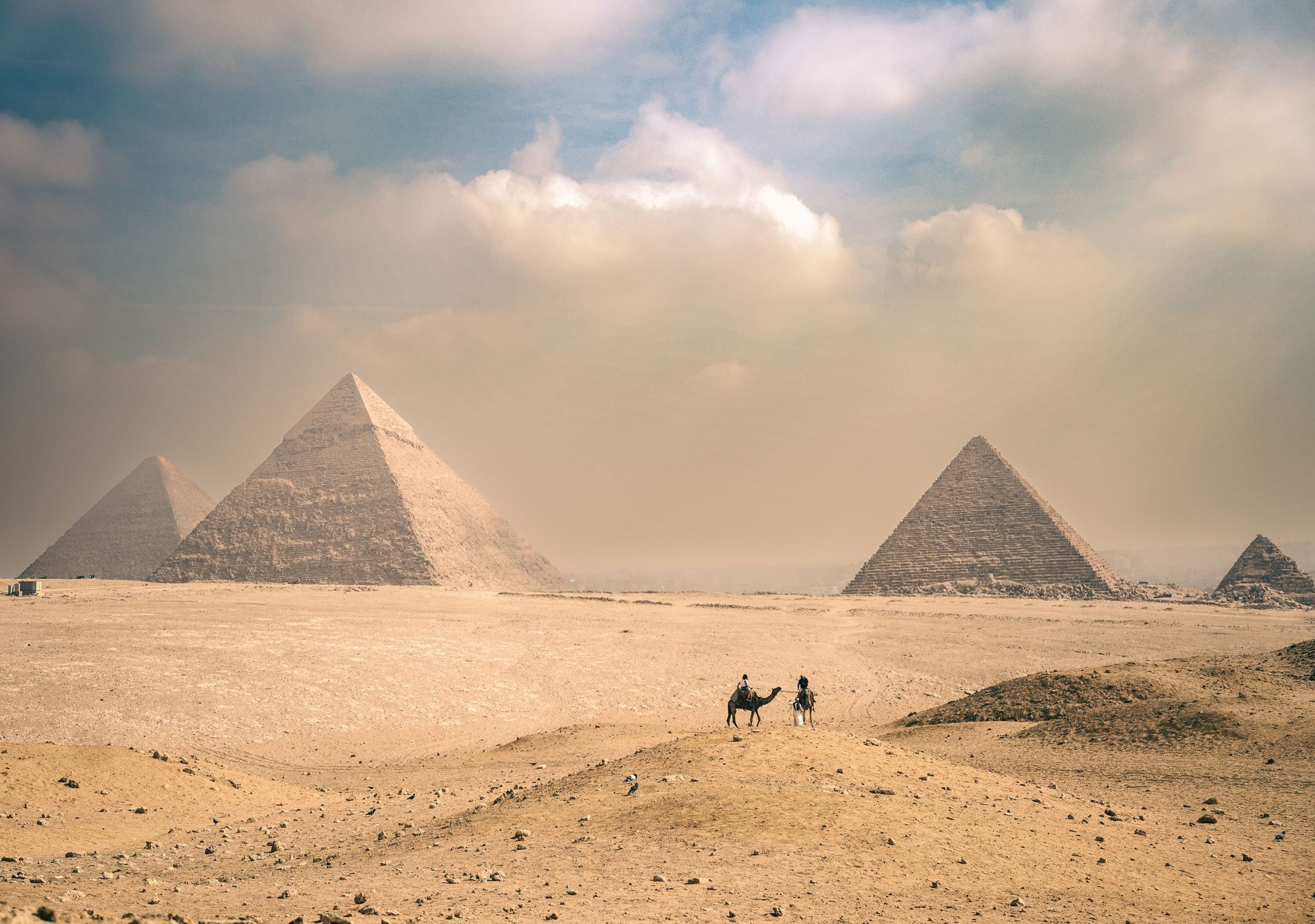
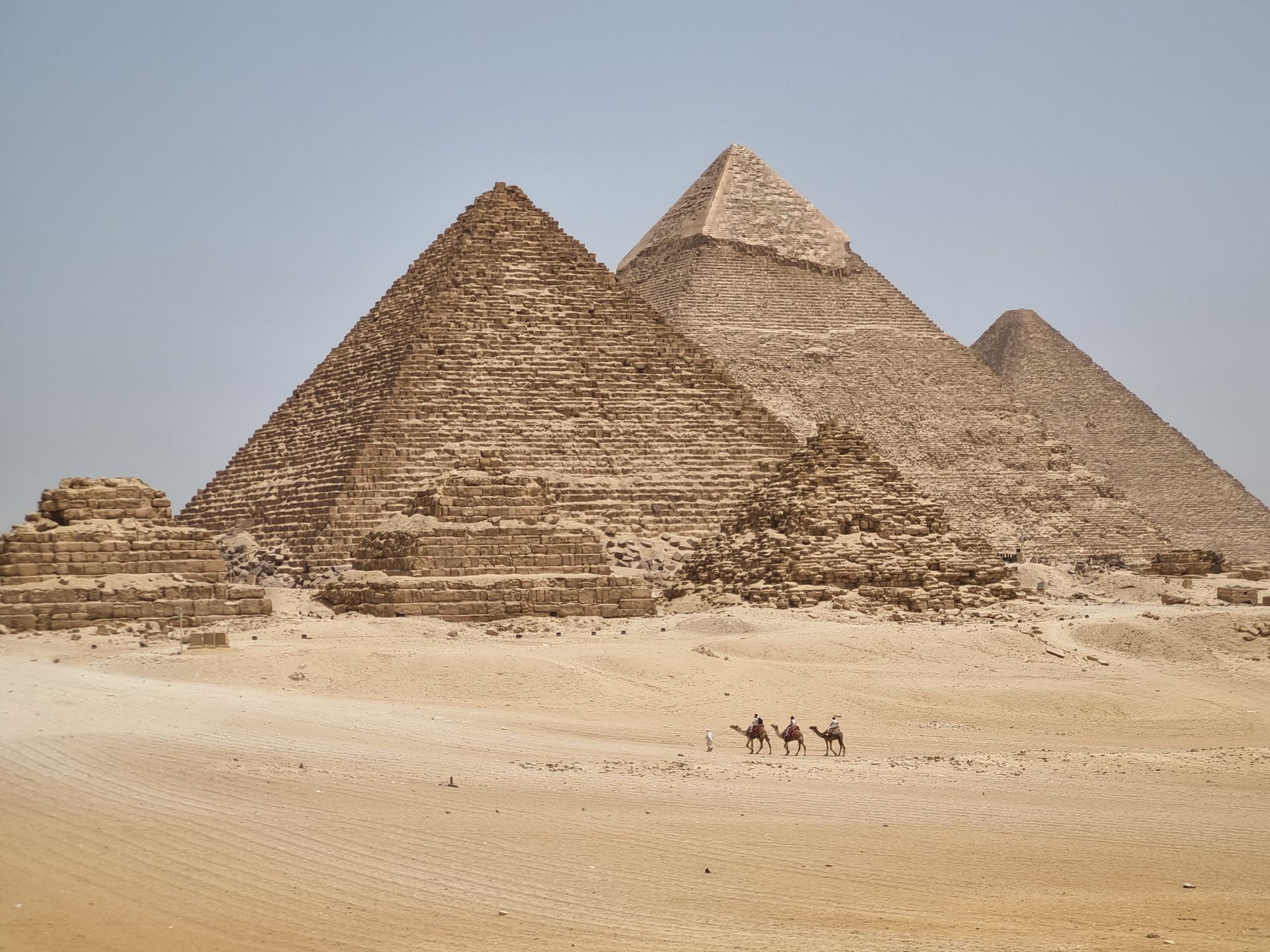
Giza and Haram, where the Pyramids and Sphinx stand, feels almost like its own town — dusty streets, rooftop cafés with pyramid views, and a strange, quiet magic in seeing the last surviving wonder of the ancient world rising up at the end of an ordinary residential street.
Islamic Cairo, around Khan el-Khalili, is a maze of centuries-old mosques, narrow lanes, spice stalls, and copper workshops — the version of Cairo that looks and sounds the way you probably imagined "old Cairo" before you arrived.
Downtown (Wust el-Balad) is the pulse of the modern city — faded Belle Époque architecture, coffeehouses full of backgammon games, and a buzz that runs late into the night.
Zamalek, on an island in the Nile, is calmer and leafier, with a different pace entirely — tree-lined streets, art galleries, and quieter cafés.
Traveling between these without context, you'd just experience "Cairo is intense." With even a little local guidance, you start to see that each neighborhood has its own personality, and the intensity is really just the sound of several very different worlds existing three streets apart from each other.
The Honest Stuff People Worry About Before They Go
Since this is meant to be the honest version, let's cover the real questions people are actually searching for:
Haggling and tipping (baksheesh). Bargaining is a normal, expected part of shopping in markets — it's not rude, it's how prices are meant to work. Tipping shows up more often and in more places than most travelers are used to, from restaurant staff to the person who shows you where the bathroom is. It feels strange for the first day and becomes second nature by the third.
Being approached by vendors and touts. This happens, especially around major tourist sites, and it can feel intense if you don't know it's coming. A polite, firm "no, thank you" (or "la, shukran") almost always works, and it stops being stressful once you know that in advance instead of being caught off guard.
Safety. Cairo's day-to-day safety situation is generally much calmer than international headlines from years past suggest. The greater risk for most travelers isn't crime — it's traffic, uneven pavements, and the sheer sensory overload of navigating an unfamiliar mega-city alone without any local context.
Dress and etiquette. Modest clothing is appreciated, especially around mosques and in more traditional neighborhoods, and it's a small effort that goes a long way with locals.
None of this means Cairo is difficult in a bad way. It means Cairo is a real, dense, working city of twenty million people — not a theme park built for tourists — and that authenticity is exactly what makes it unforgettable.
Why a Local Guide Changes the Entire Experience
This is the honest difference between travelers who leave Cairo exhausted and travelers who leave Cairo in love with it: whether someone who actually knows the city is standing next to them.
On your own, every one of the things above — the traffic, the haggling, the vendors, figuring out which neighborhood is which — lands on you all at once, with no context and no one to ask. With a private, licensed local guide, all of it gets translated in real time. The chaos becomes a story instead of a threat. The vendor becomes a conversation instead of a confrontation. The traffic becomes something you watch from the comfort of an air-conditioned car instead of something you have to survive on foot.
This is the entire idea behind Egypt Karoft Tours — see the real Egypt, through local eyes. We don't sanitize Cairo or drive you past it in a sealed bus with the windows up. We walk you through Khan el-Khalili and actually explain what you're looking at. We tell you honestly which vendor deals are fair and which aren't. We build your day around your comfort level, whether that means diving straight into the busiest markets or easing in with quieter mornings at the Pyramids before the crowds arrive.
Every guide on our team is licensed, speaks your language, and genuinely wants Cairo to feel the way it felt to us the first time we fell in love with it — overwhelming for an hour, and unforgettable for the rest of your life.
Frequently Asked Questions
Is Cairo worth visiting despite the culture shock? Overwhelmingly yes. Almost every traveler who writes honestly about their first day of culture shock in Cairo goes on to describe falling in love with the city within 24 to 48 hours.
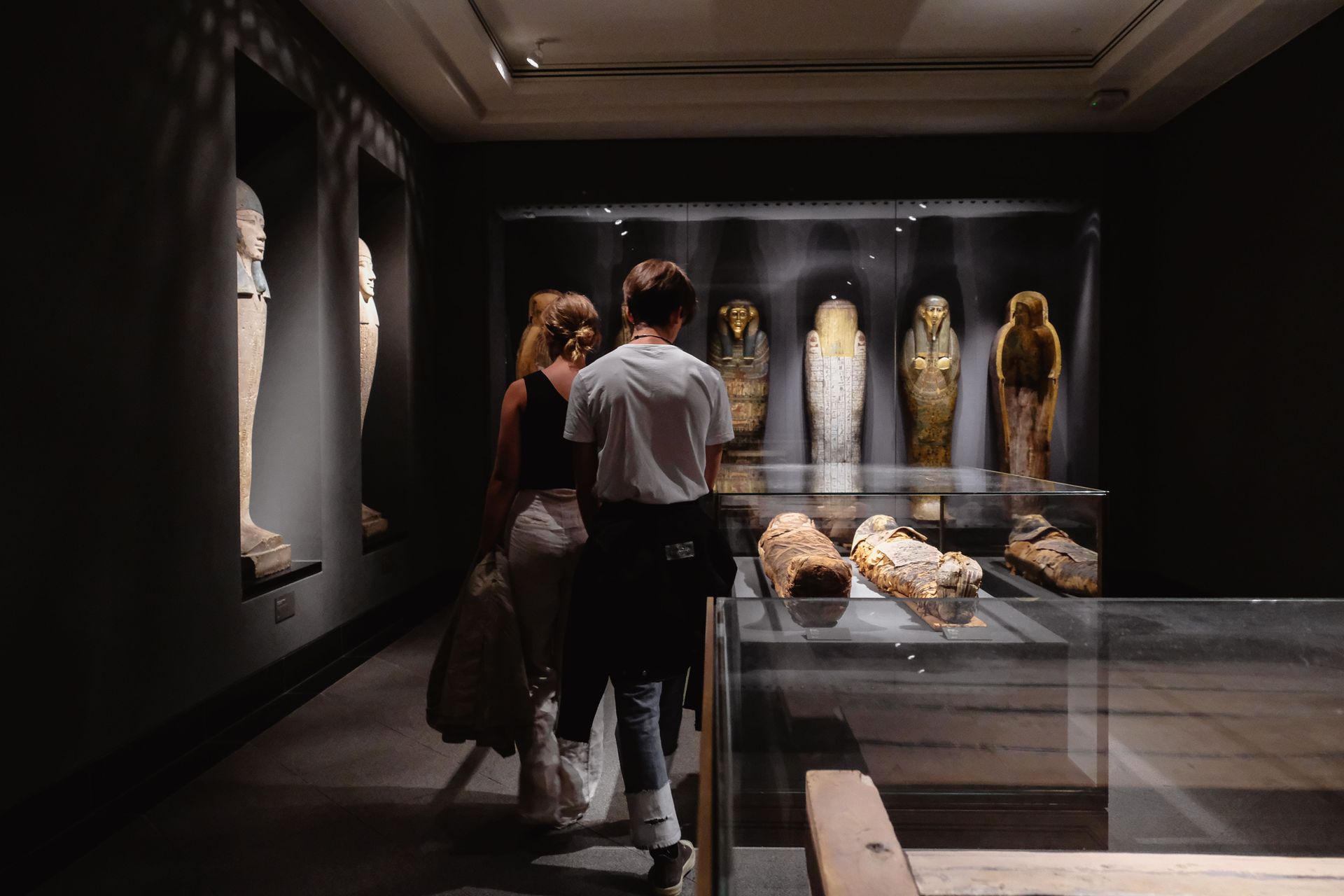
How many days do you need in Cairo? Three to four days lets you comfortably cover the Pyramids and Sphinx, the Egyptian Museum and Grand Egyptian Museum, Islamic and Coptic Cairo, and a Nile evening — without rushing.
Is Cairo safe for tourists? Cairo is generally safe for tourists who take normal city precautions. The bigger adjustment for most visitors is the pace and intensity of the city, not personal safety.
What's the best way to handle the sensory overload? Pace yourself, build in café breaks, and consider a private guide for at least your first day or two — having someone to translate the chaos into context makes an enormous difference.
See Cairo the Way It's Actually Meant to Be Seen
Cairo isn't a city that reveals itself from a bus window or a hotel lobby. It reveals itself in conversations with strangers, in alleyways you'd never turn down alone, and in the small details a local knows to point out and a guidebook never will.
Reach out to Egypt Karoft Tours and let us build you a private day in Cairo with a licensed local guide who'll turn the chaos into the best part of your trip — honestly, and through local eyes.