What to Pack for Egypt: Essential Travel Checklist
What to Pack for Egypt: Essential Travel Checklist (2026)
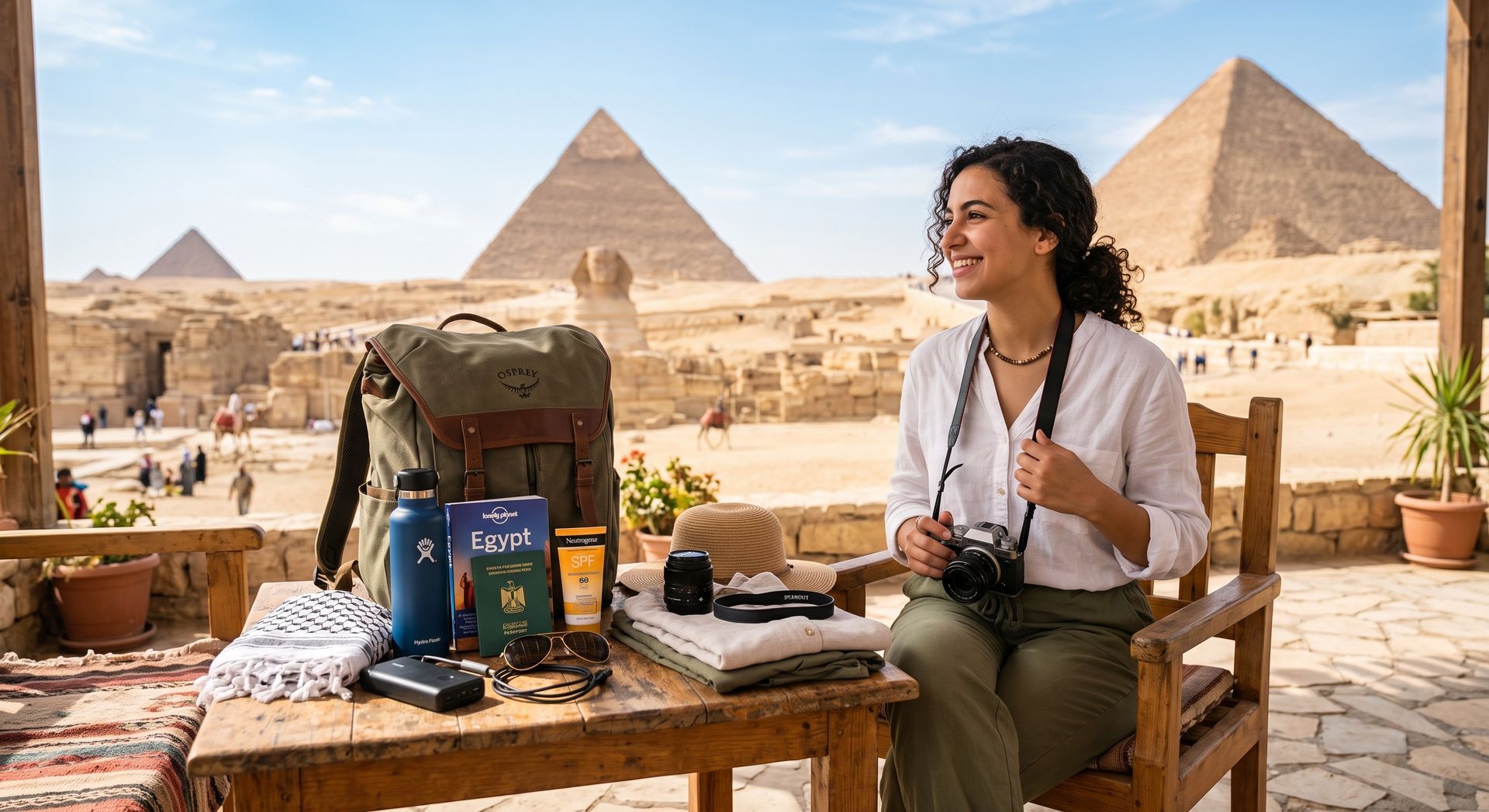
Packing for Egypt is a bit different from packing for a typical beach or city trip. You're dealing with intense sun, desert dust, temples with modest-dress expectations, boats and buses with limited luggage space, and — depending on the season — a surprising temperature drop at night. Get it right and you'll barely think about your bag all trip. Get it wrong and you'll either be sweating through jeans at Karnak or shivering on a felucca at sunset.
Here's a complete, practical packing list built around how a real Egypt itinerary actually runs.
Clothing: What Actually Works Here
Lightweight, breathable fabrics — cotton and linen perform far better than synthetic athletic wear in Egypt's dry heat. Loose-fitting clothes also help with sun protection.
Modest coverage for temples and mosques — Egypt is a Muslim-majority country, and while beach resorts are relaxed, visiting mosques (like Muhammad Ali Mosque in Cairo) and some temple sites is more comfortable — and respectful — with shoulders and knees covered. A light long-sleeve layer or scarf works for both sun protection and site etiquette.
A layer for the evenings — desert regions and Nile cruises cool down noticeably after sunset, even in warmer months. A light jacket or hoodie is genuinely useful, not just for winter trips.
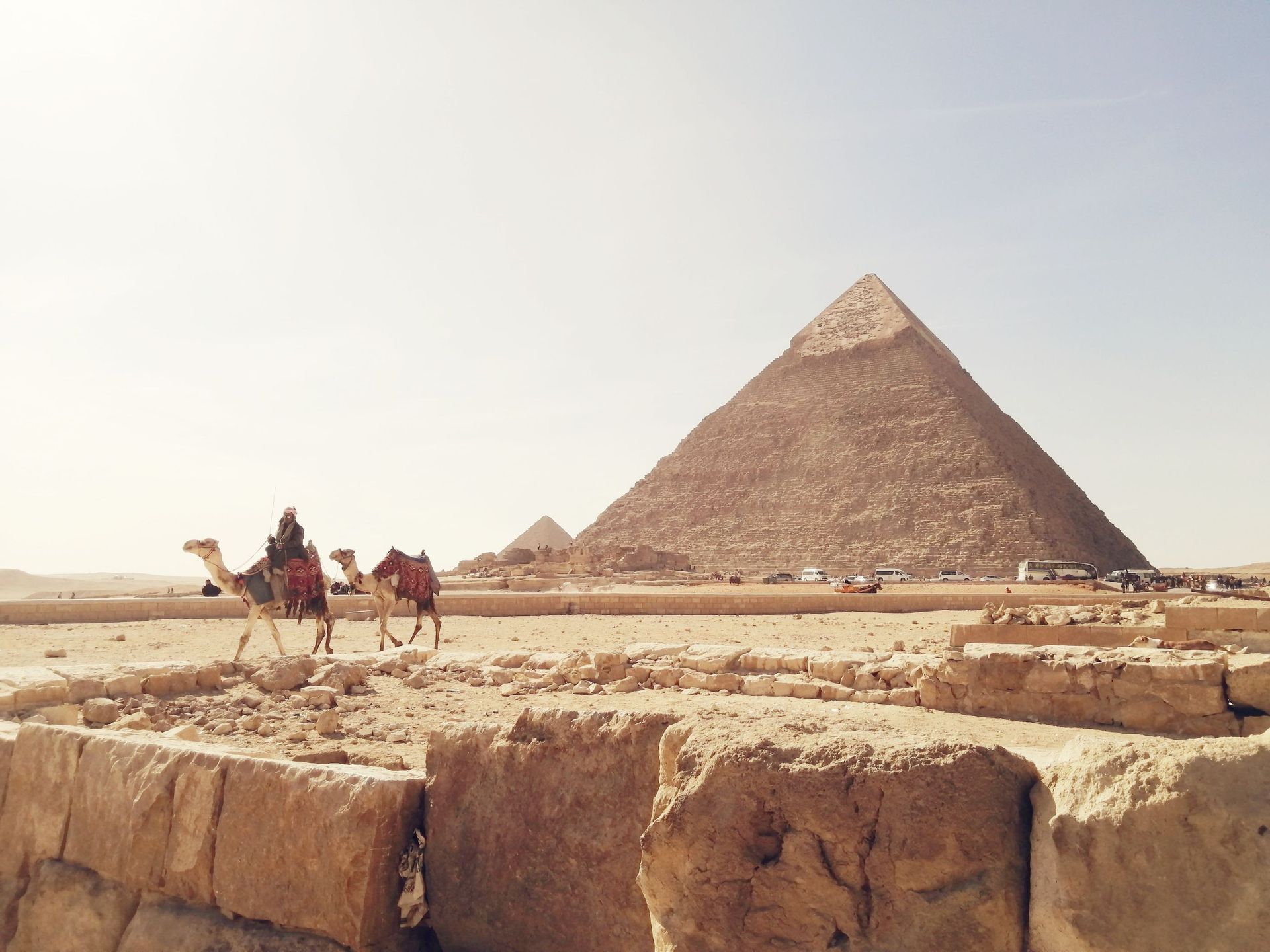
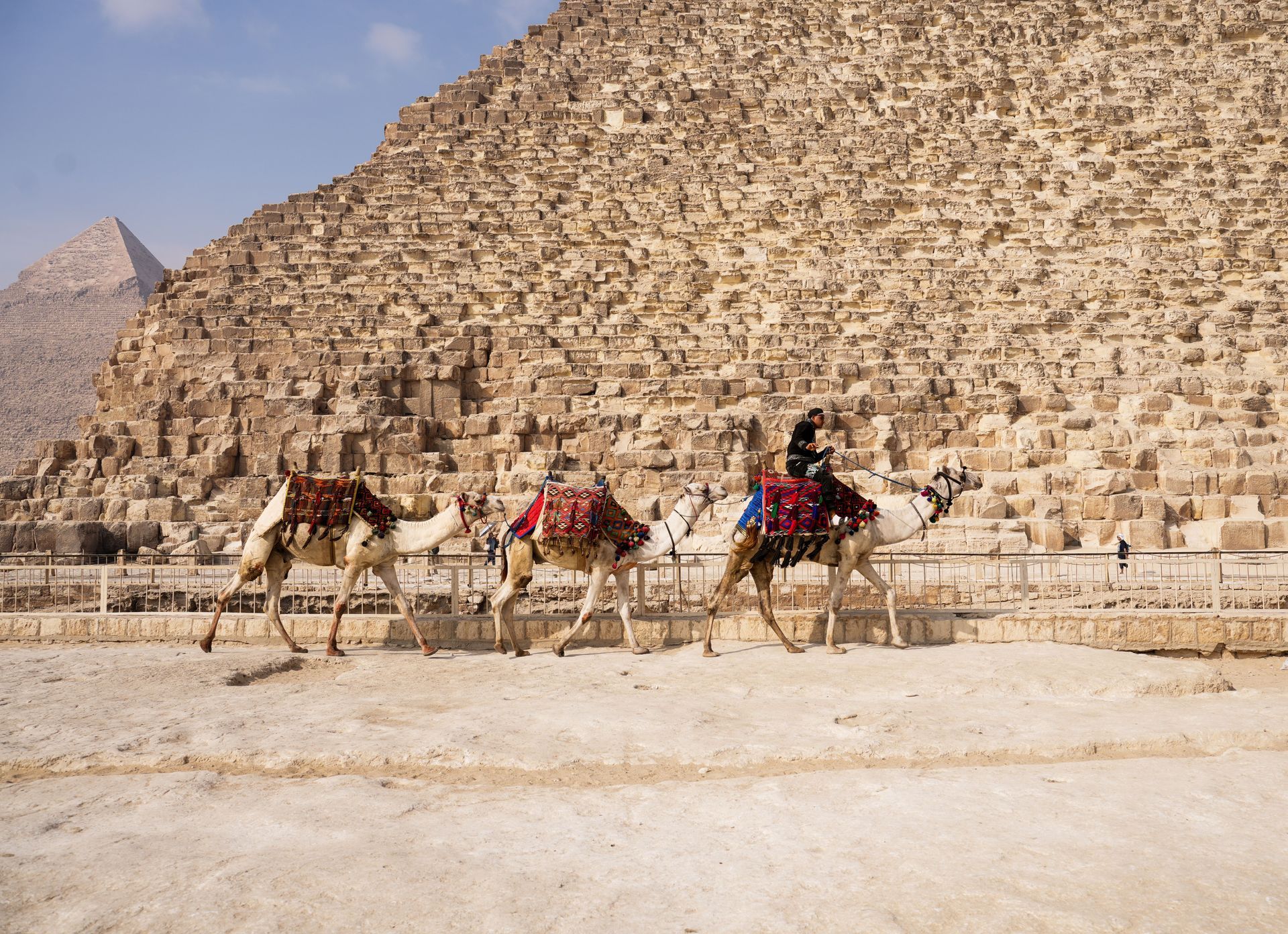
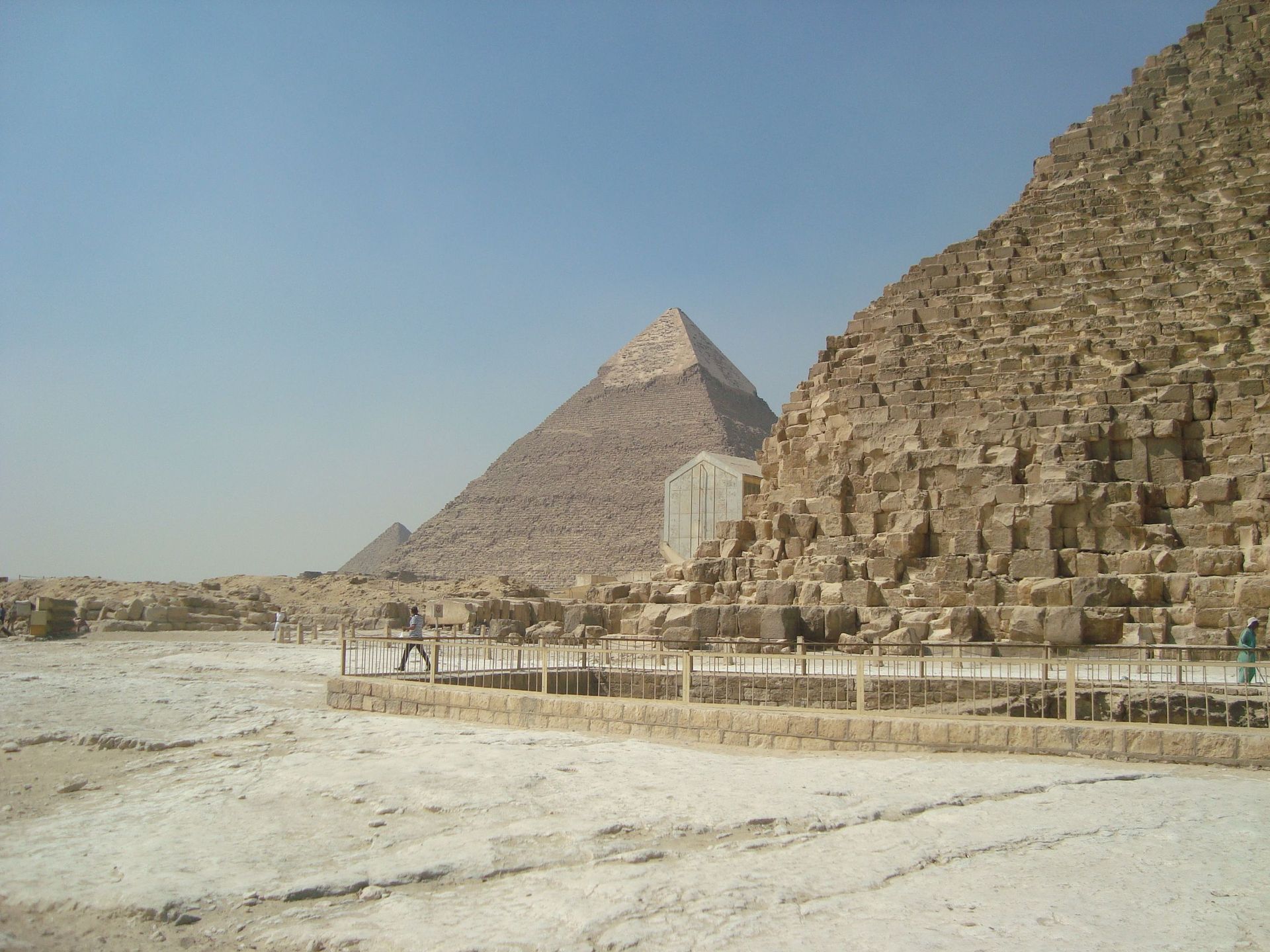
Comfortable closed-toe walking shoes — the Giza Plateau is sand and loose stone, Luxor's temples involve a lot of walking on uneven ground, and sandals offer no protection from either heat or debris. Bring shoes you've already broken in.
Swimwear — if your itinerary includes the Red Sea coast (Hurghada, Sharm El Sheikh) or a hotel pool, standard swimwear is fine at resorts; more coverage is appreciated at public beaches outside tourist zones.
Sun & Heat Protection
- High-SPF sunscreen — reapply more than you think you need to; there's essentially no shade at Giza, Karnak, or most open-air sites
- Wide-brimmed hat or cap
- Sunglasses — the desert glare is intense even on overcast days
- A reusable water bottle — many tours provide water, but having your own means you're never caught without it
- A light scarf or shemagh-style wrap — doubles as sun protection, dust protection on desert excursions, and modest coverage for religious sites
Health & Comfort Items
- Basic travel first-aid items — pain relievers, motion sickness tablets (useful for felucca or Nile cruise days), and any personal medications in their original packaging
- Hand sanitizer and wet wipes — useful throughout the day, especially before meals
- Electrolyte packets — genuinely helpful during summer visits or long desert days
- A universal power adapter — Egypt uses the European-style two-round-pin plug (Type C/F), 220V
Documents & Money
- Passport — valid for at least 6 months beyond your entry date (a common and avoidable mistake)
- Visa — whether pre-arranged or planning for Visa on Arrival, keep any confirmation printed or saved offline
- Travel insurance details
- Cash in USD, EUR, or GBP — useful for Visa on Arrival, tipping, and smaller purchases; small bills are more useful than large ones
- A copy of your itinerary and hotel/tour confirmations, ideally both digital and printed
Tech & Extras
- Camera or phone with extra storage — you will take more photos than you expect
- A portable charger — long sightseeing days mean a lot of phone/camera use away from outlets
- A daypack — for water, sunscreen, and layers during full-day tours; something you can carry comfortably for hours
What You Really Don't Need
- Formal wear — unless you have a specific event, Egypt's tourist circuit is casual
- Heavy jeans as your main bottoms — fine for one or two days, uncomfortable in daytime heat over a full itinerary
- A giant suitcase for a short trip — internal flights between Cairo, Luxor, and Aswan often have baggage limits; a well-packed carry-on-sized bag makes internal travel considerably easier
A Quick Seasonal Note
If you're traveling in the cooler months (November–February), add a proper jacket for morning and evening — deserts and Nile-adjacent areas can be genuinely chilly before sunrise. If you're traveling June–August, prioritize sun protection and hydration over layers; the evening temperature drop is far less dramatic, but daytime heat is intense.
Packed and Ready — What's Next?
Once your bag is sorted, the next question is usually itinerary: how many days you need, which sites to prioritize, and how to structure your days around Egypt's heat and crowds. That part's easier with a guide who already knows the timing.