Abydos Temple: The Hidden Gem in Egypt Nobody Tells You About
Abydos Temple: The Hidden Gem in Egypt Nobody Tells You About
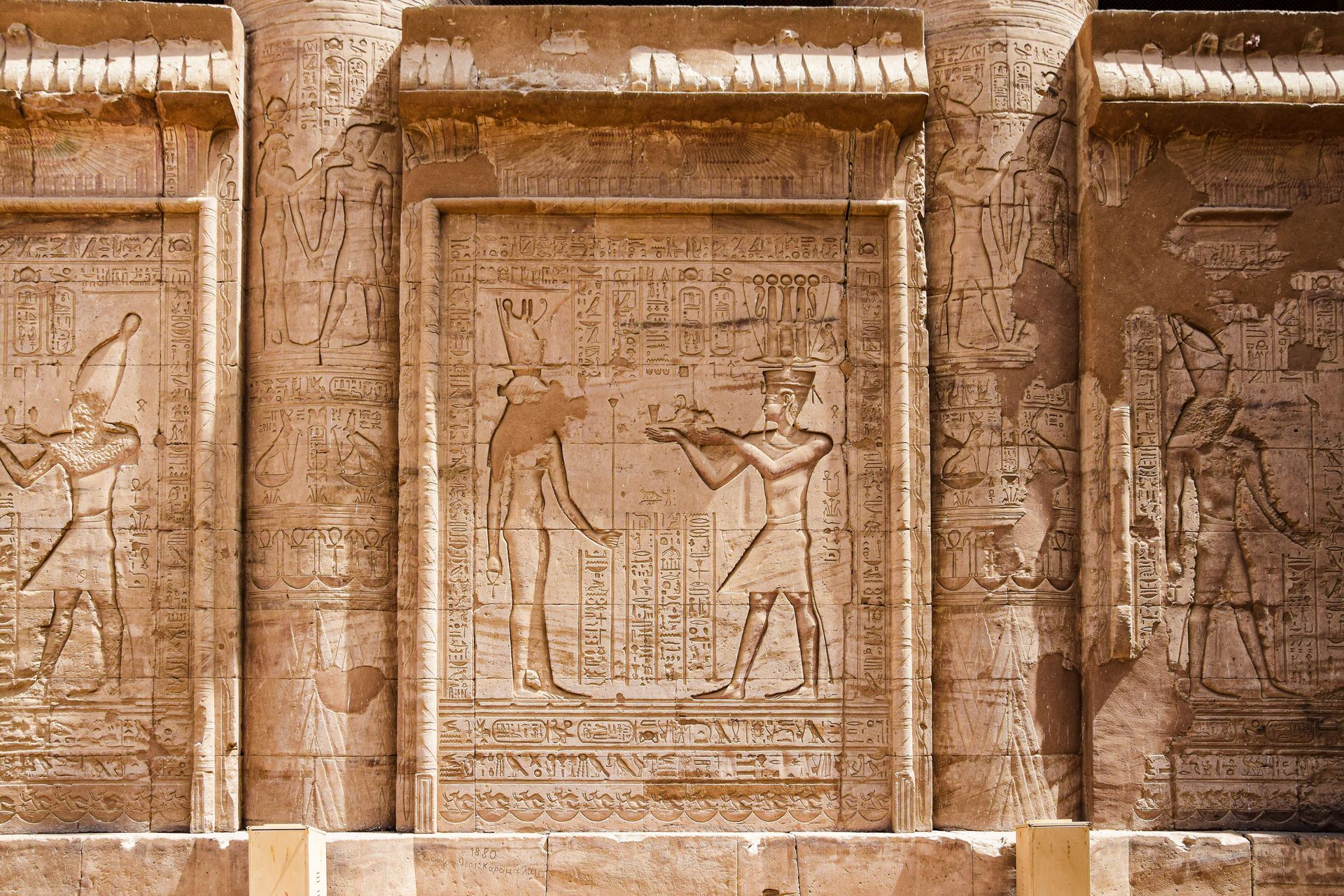
Egypt's Most Overlooked Masterpiece
Ask most travelers about must-see temples in Egypt and you'll hear the same names on repeat: Karnak, Luxor, Philae. Abydos rarely makes the list — and that's exactly what makes it worth visiting. Tucked in Upper Egypt between Luxor and Cairo, the Temple of Seti I at Abydos holds some of the finest, best-preserved relief carvings in the entire country, yet it sees a fraction of the crowds that pack the more famous sites.
For travelers building a tailor-made Egypt itinerary, Abydos is one of the easiest "wow factor" additions — a short detour that delivers one of the most memorable temple visits in the country, minus the tour-bus crowds.
What Is Abydos, and Why Does It Matter?
Abydos was one of ancient Egypt's most sacred cities, believed to be the burial place of the god Osiris. For thousands of years, pharaohs built temples and cenotaphs here to associate themselves with Osiris and secure their place in the afterlife. The site's main draw today is the Temple of Seti I, built in the 13th century BCE, along with the mysterious Osireion structure behind it.
Unlike many Egyptian temples that were damaged, looted, or left exposed to the elements for centuries, much of Abydos was buried under sand until relatively recent excavation — which is part of why its carvings and painted reliefs are so remarkably intact.
The Temple of Seti I: Egypt's Finest Relief Carvings
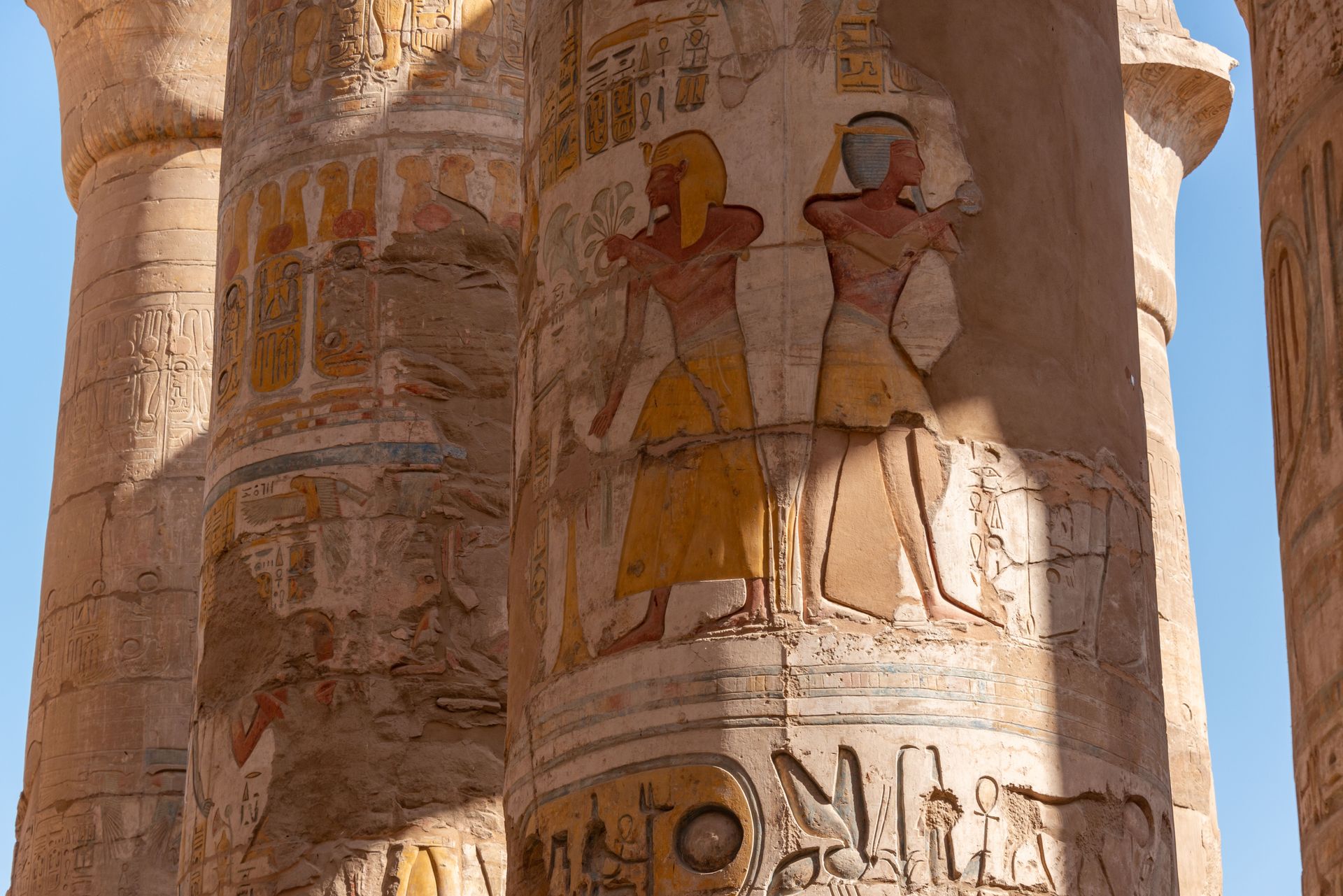
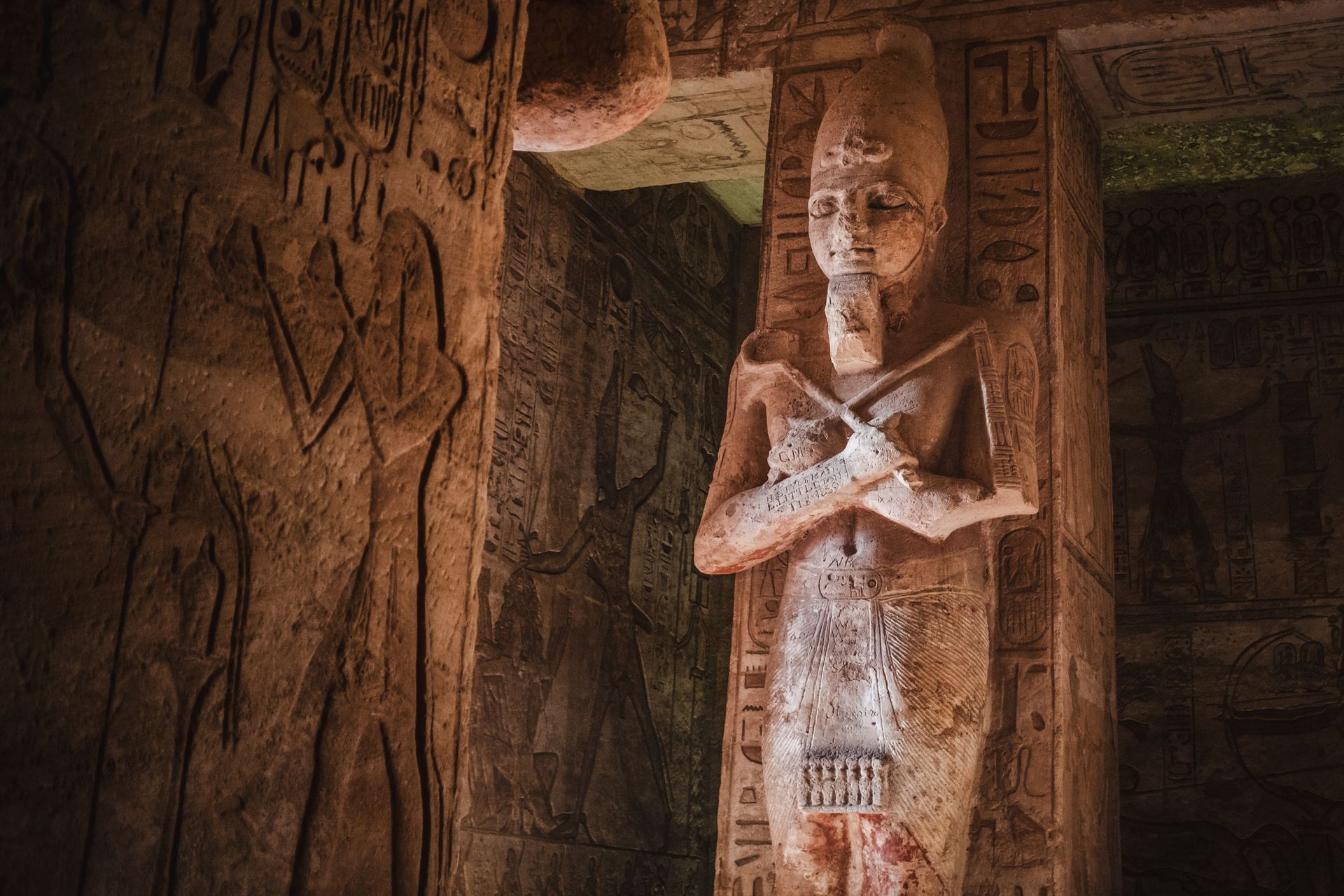
The main reason Egyptologists rank Abydos among the country's top sites is the quality of its wall reliefs. The limnestone carvings inside the Temple of Seti I are considered some of the most refined and detailed in all of ancient Egyptian art — finer, many argue, than anything at Karnak or Luxor.
Highlights inside include:
- The seven sanctuaries, each dedicated to a different deity, with painted reliefs still showing traces of their original color
- The Gallery of the Kings, a carved list naming 76 pharaohs recognized by Seti I as legitimate rulers — a document historians still use to reconstruct Egypt's dynastic history
- Detailed scenes of Seti I performing religious rituals, remarkably crisp even after more than 3,000 years
The Osireion: Abydos' Strangest Structure
Directly behind the Temple of Seti I sits the Osireion, a massive stone structure sunk below ground level, built with enormous granite blocks in a style that looks strikingly different from the temple above it. Its exact purpose and precise dating are still debated among Egyptologists, and its unusual construction has made it a magnet for speculation and alternative theories.
Whatever its true origin, the Osireion's massive, water-surrounded chambers make for one of the more atmospheric — and photogenic — stops on the site.
Why Abydos Sees So Few Visitors
Three main factors keep Abydos off most standard itineraries:
- Location — it sits roughly 90 minutes to 2 hours from Luxor by road, making it a detour rather than a stop on the main Cairo–Luxor–Aswan route
- Group tour logistics — large tour operators favor sites that are quick, close together, and easy to bundle, which usually leaves Abydos out
- Lower general awareness — many travelers simply haven't heard of it compared to household names like the Pyramids or Karnak
For independent and tailor-made travelers, none of these are real obstacles — just reasons the site stays wonderfully uncrowded.
How to Visit Abydos
Abydos is most commonly visited as a day trip from Luxor, often combined with the nearby Temple of Dendera in a single full-day excursion. A private guide and driver is the most practical way to reach it, since public transport options are limited and timing is easier to control with your own vehicle.
A typical day trip includes:
- An early morning departure from Luxor
- A stop at Dendera's Temple of Hathor (well-preserved and equally underrated)
- The drive south to Abydos, with time to explore the Temple of Seti I and the Osireion
- Return to Luxor by early evening
Practical Tips for Visiting
- Entry ticket — foreign-visitor tickets to Abydos are separate from the Luxor West Bank pass, and prices are updated periodically, so it's worth confirming the current rate before your visit
- Best time to go — early morning, both for cooler temperatures and better light for photographing the reliefs
- Bring a flashlight or use your phone's light — some of the inner chambers are dimly lit, and it helps bring out the detail in the carvings
- Pair it with Dendera — since both sites are in the same direction from Luxor, combining them into one day makes the most of the drive
Why Abydos Belongs on a Tailor-Made Itinerary
This is precisely the kind of site that a fixed group package is unlikely to include, but a custom itinerary can easily accommodate. Adding a day for Abydos and Dendera doesn't require restructuring an entire trip — just an extra day built into a Luxor stay, with a private guide who can bring the mythology and history of the site to life in a way a rushed group tour never could.
Final Thoughts
Abydos won't show up on a postcard rack, and that's part of its appeal. For travelers willing to go a little further off the standard route, it offers some of the most detailed, best-preserved, and genuinely moving temple art in Egypt — without another tour group in sight.
Want to add Abydos to your own Egypt itinerary? Share your travel dates and interests, and we'll build it into a trip that goes beyond the usual highlights.