Best Time to Visit Egypt: A Month-by-Month Breakdown
Best Time to Visit Egypt: A Month-by-Month Breakdown
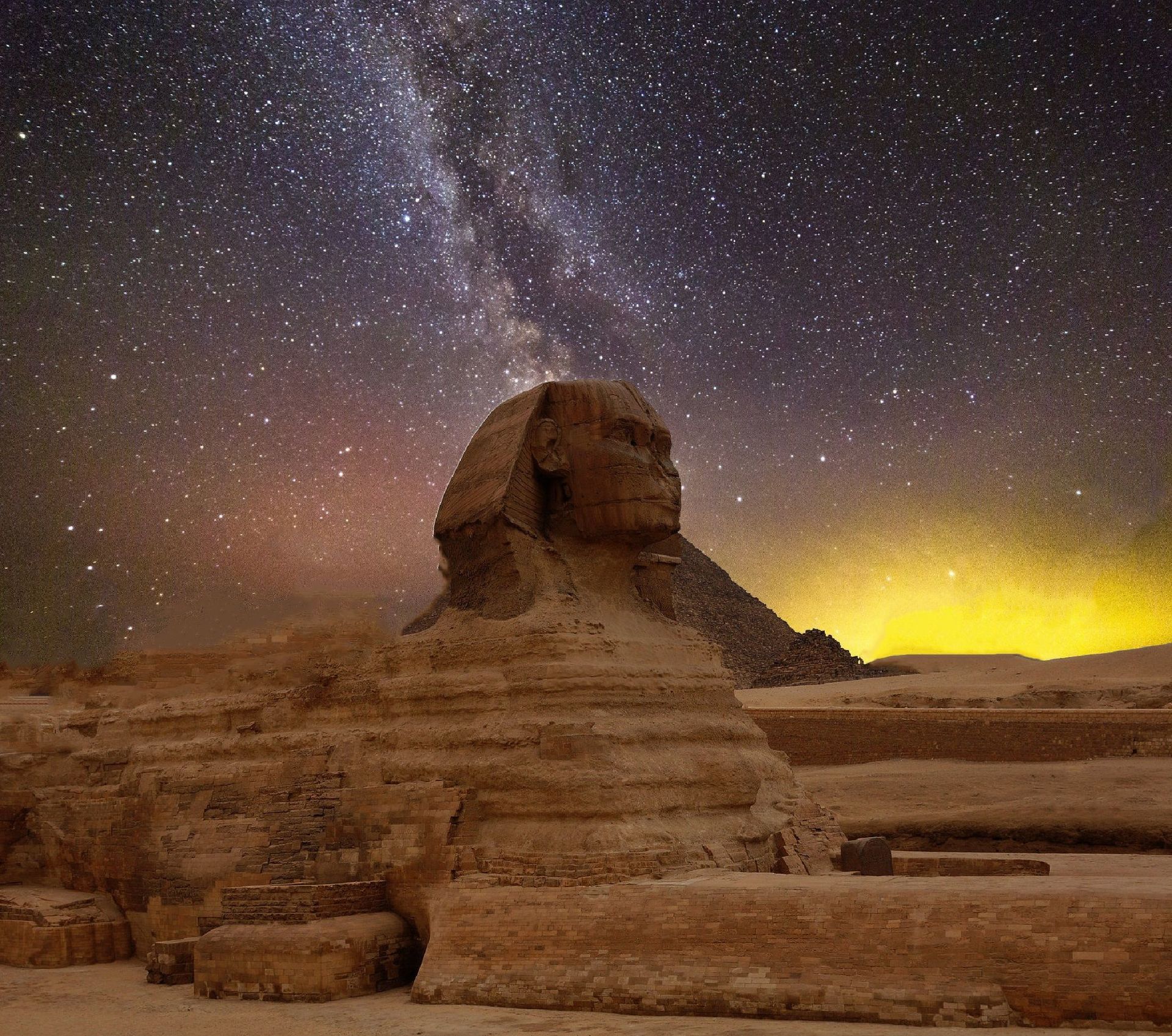
The short answer is October through April — but that single answer hides a lot of nuance depending on which part of Egypt you're visiting and what kind of trip you're planning. Temple-hopping in Luxor and lounging on the Red Sea coast have almost opposite ideal seasons. Here's the full breakdown, month by month, so you can match your travel dates to the experience you actually want.
The Quick Answer
October to April is peak season for a reason: comfortable daytime temperatures, cool evenings, and ideal conditions for spending full days outdoors at temples, tombs, and the Giza plateau without the heat working against you. This is also when hotels, Nile cruises, and flights are priced highest and availability disappears fastest, so early booking matters most during this window.
Winter (December–February): Peak Comfort, Peak Crowds
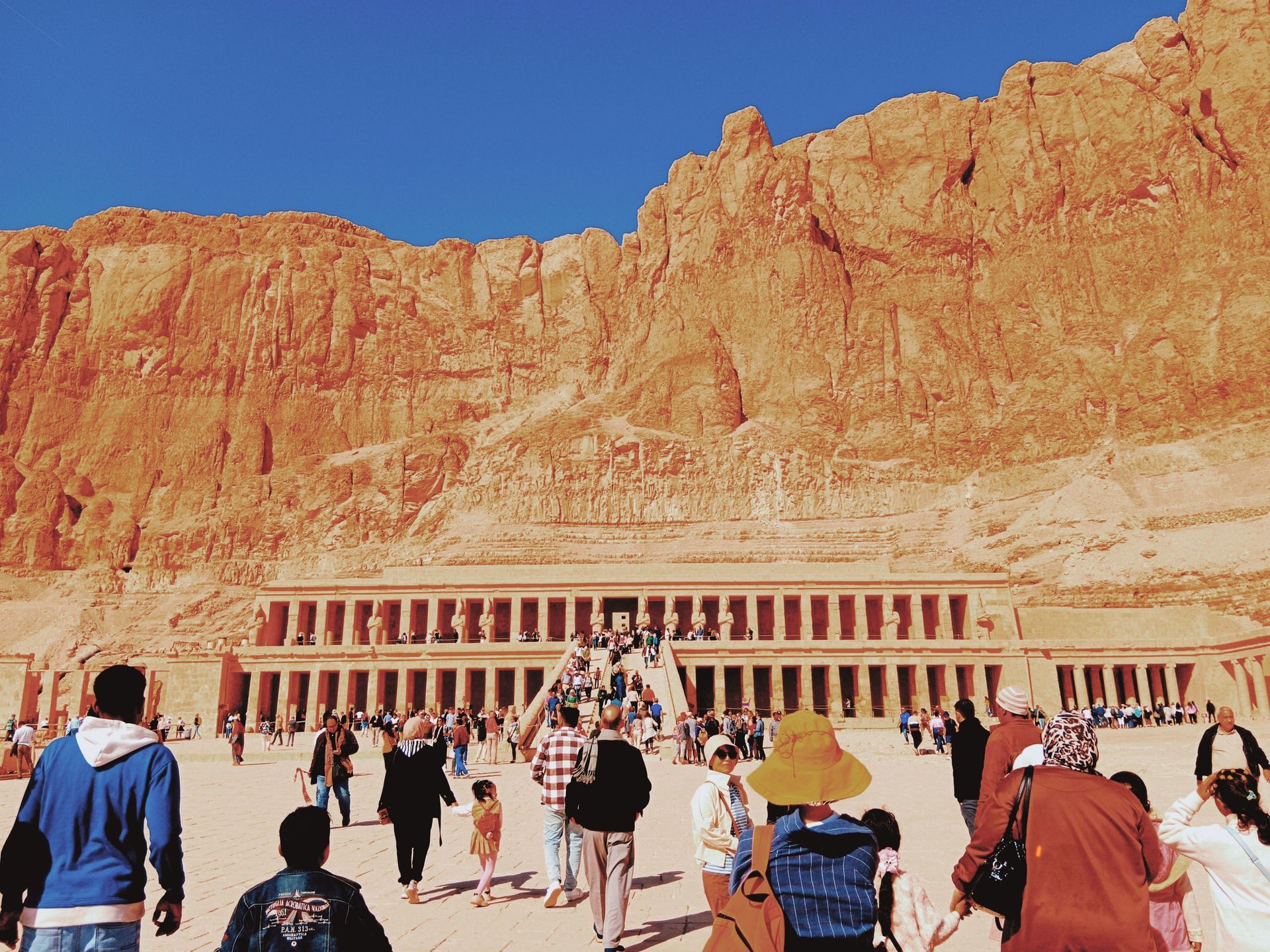
This is Egypt's most popular travel season, and for good reason — daytime temperatures in Cairo, Luxor, and Aswan sit comfortably in the 20s°C (68–77°F), perfect for long days of sightseeing. Evenings can get genuinely cool, especially in the desert and on Nile cruises at night, so pack layers.
The trade-off is crowds and price. Major sites like Karnak and the Valley of the Kings see their heaviest tourist traffic during these months, and hotel and cruise rates climb accordingly, particularly around the Christmas and New Year period.
Best for: first-time visitors prioritizing comfort, families, and anyone visiting the Nile Valley sites as the trip's main focus.
Spring (March–April): The Sweet Spot
Spring offers nearly the same comfortable temperatures as winter with noticeably lighter crowds and better rates, making it arguably the best overall balance for most travelers. Late March into April is still warm enough for the Red Sea coast while remaining very manageable for full days at outdoor temple sites.
One thing to watch: khamsin winds (dry, dusty desert winds) occasionally pick up in late March and April, which can occasionally affect visibility and comfort for a day or two, though they're unpredictable and don't typically disrupt an entire trip.
Best for: travelers who want winter's comfortable weather without winter's crowds and prices.
Summer (May–August): Red Sea Season, Nile Valley Challenge
This is where "best time to visit Egypt" splits into two very different answers depending on your itinerary.
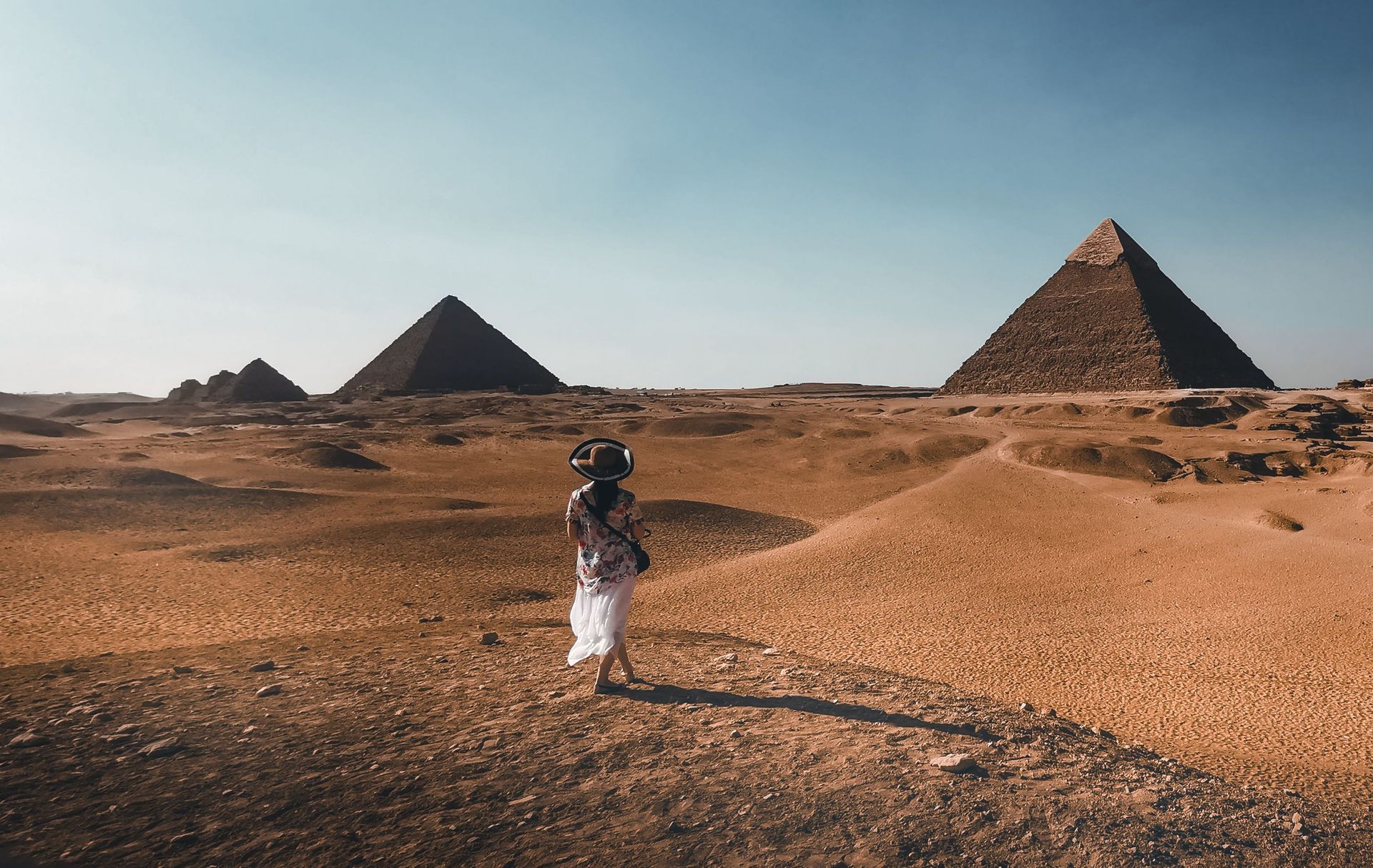
For the Nile Valley (Cairo, Luxor, Aswan), summer is genuinely difficult — Upper Egypt regularly exceeds 40°C (104°F) from June through August, and full days at outdoor sites like Karnak or the Giza plateau become uncomfortable by mid-morning. Travelers who do visit during this window typically shift touring to early mornings and evenings and cut midday activity to a minimum.
For the Red Sea coast (Hurghada, Sharm El Sheikh, El Gouna), summer is actually a strong choice — the heat is offset by the water, diving conditions are excellent, and resort infrastructure is built entirely around this season.
Best for: beach- and diving-focused trips; not recommended for a temple-heavy itinerary unless you're prepared to adjust your schedule around the heat.
Autumn (September–November): The Underrated Window
September starts warm but increasingly manageable as the month progresses, and by October, conditions match the comfortable range of the winter peak season — without winter's crowds or prices just yet. November is effectively the start of peak season, with excellent weather and slightly lower rates than the December–February high point.
Best for: travelers who want peak-season weather while still catching lower shoulder-season pricing, particularly early-to-mid October and all of November.
Special Timing: Abu Simbel's Sun Festival
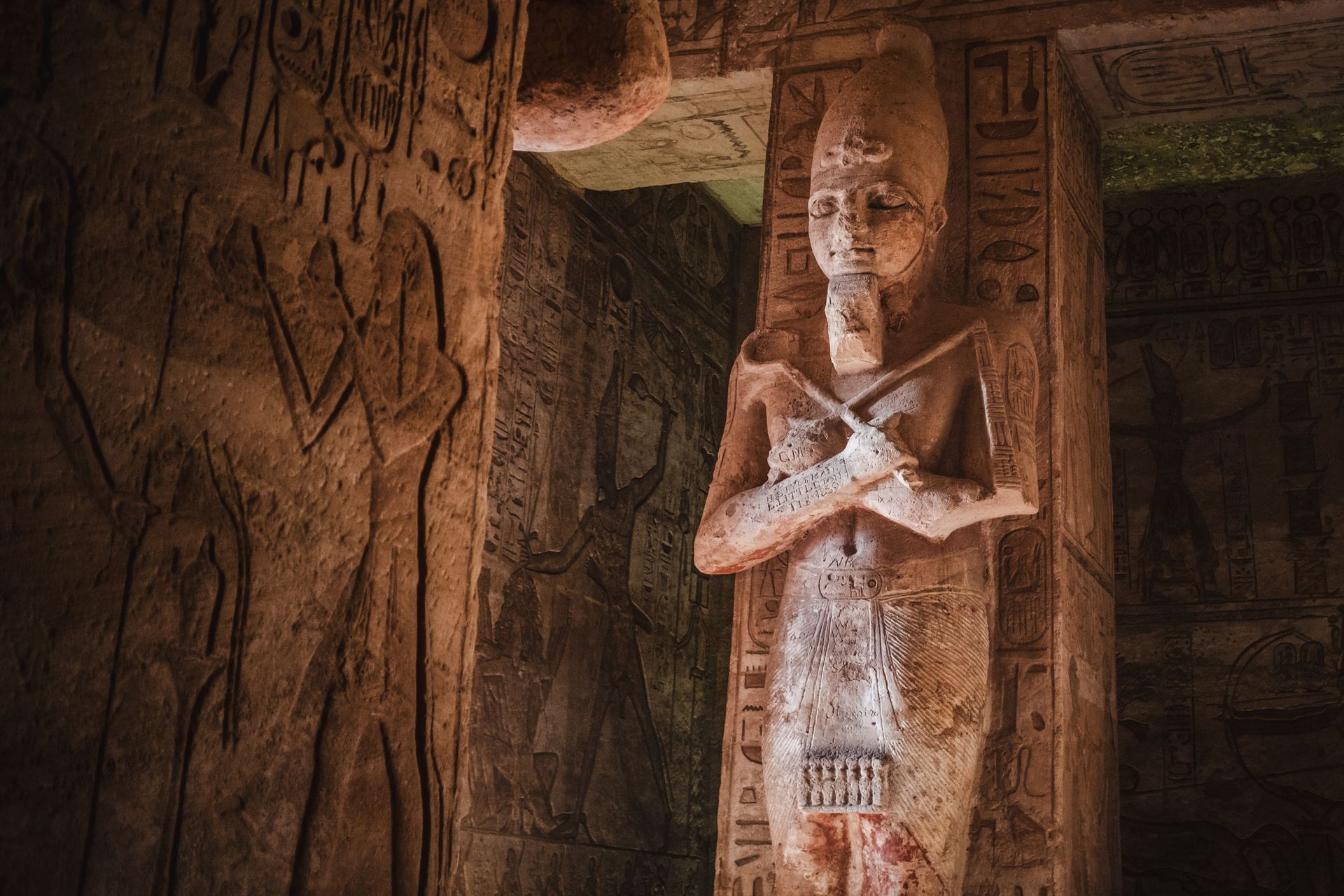
Twice a year — around February 22 and October 22 — the sun aligns to illuminate the inner sanctuary statues at Abu Simbel, a phenomenon tied to the temple's original ancient construction. These dates draw significant crowds and command premium pricing for the associated celebration, so they're worth planning around specifically if witnessing it is a priority, or avoiding if you'd rather visit Abu Simbel without the added crowd.
Matching the Season to Your Itinerary
- Nile Valley-focused trip (Cairo, Luxor, Aswan) → October–April, ideally November or March for the best combination of comfort and value
- Red Sea-focused trip → May–September works well, with June–August being peak dive season
- Combined itinerary (Nile Valley + Red Sea) → shoulder season (October or April) balances both regions reasonably well
- Budget-conscious travelers → September or late April/early May offer decent weather with noticeably lower rates than peak winter
A Practical Booking Note
Because peak season (October–April) sees hotel rooms, Nile cruise cabins, and popular guides booked out well in advance, timing your booking — not just your travel dates — matters. Reserving 2–3 months ahead of a peak-season trip typically secures meaningfully better options than booking a few weeks out.
Trying to decide when to go based on what you actually want to see and do? Share your rough travel window and priorities — Nile Valley history, Red Sea diving, or both — and let's find the dates that fit your trip best.