Egypt Vacation Packages: What's Actually Included (And What to Watch For)
Egypt Vacation Packages: What's Actually Included (And What to Watch For)
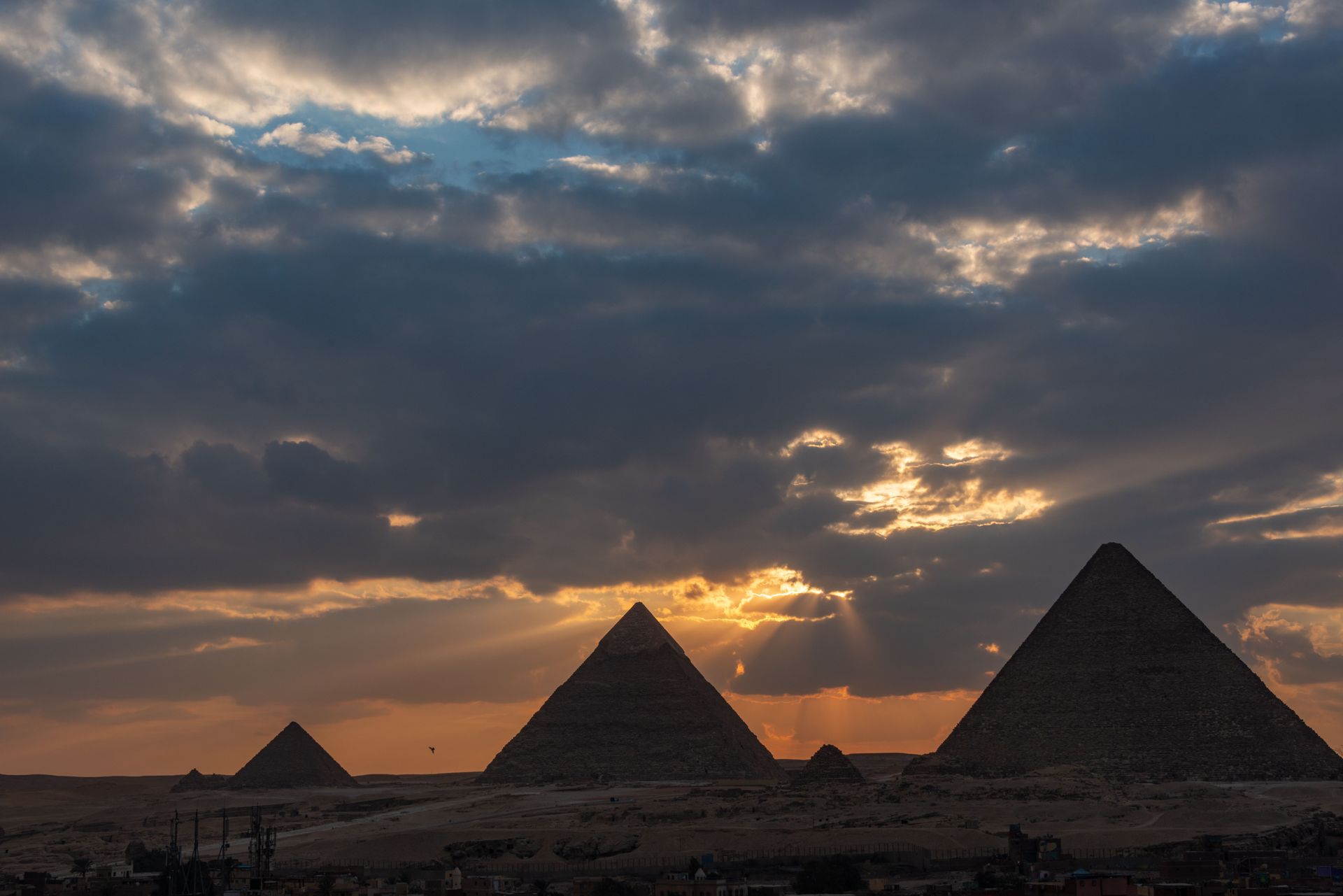
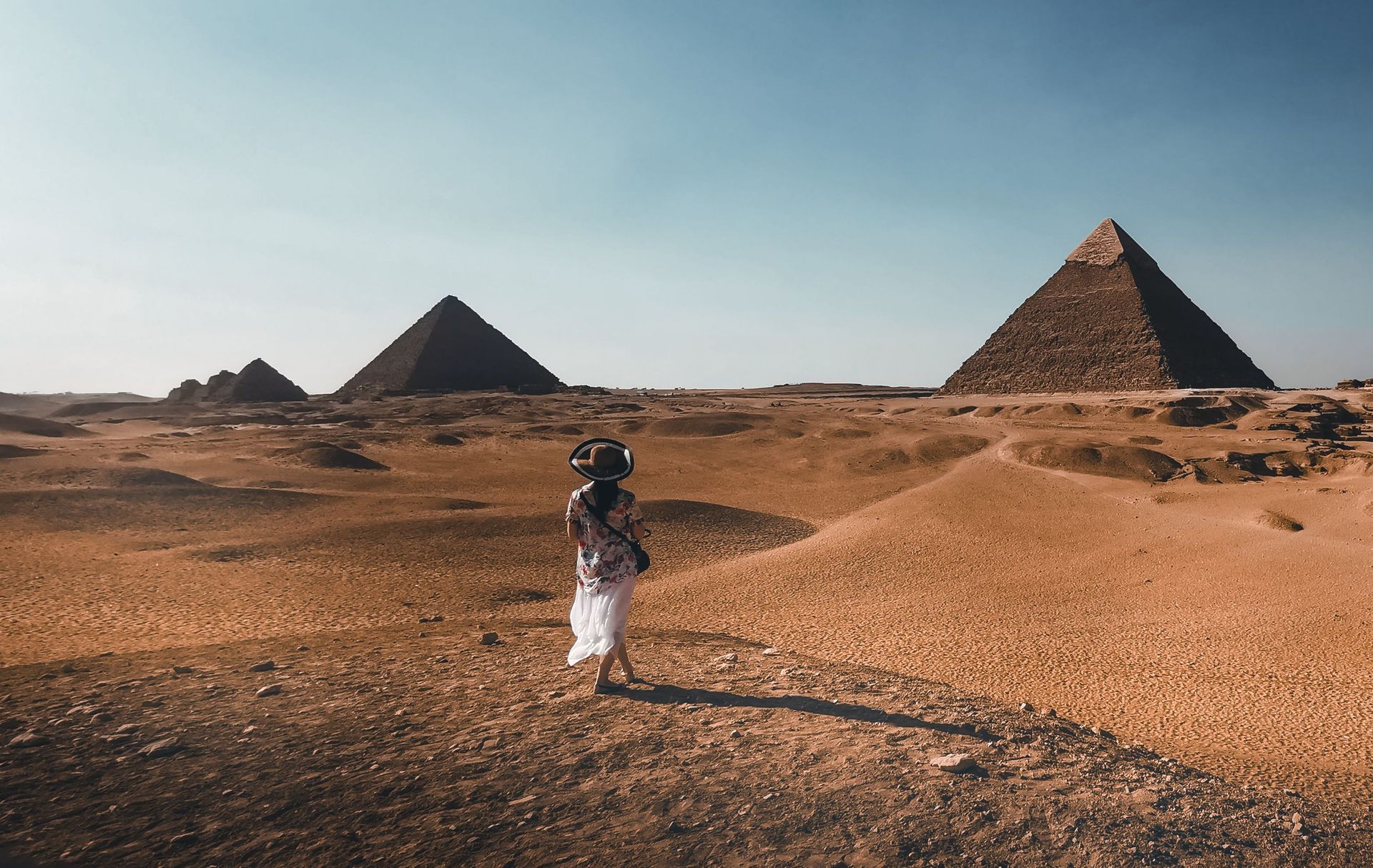
Search "Egypt vacation packages" and you'll get thousands of results promising the Pyramids, a Nile cruise, and Luxor's temples for one flat price. Some of these packages are genuinely excellent value. Others quietly exclude half of what you'd assume is included, then make up the difference with add-on fees once you've already booked. Here's how to actually read a vacation package, what a good one includes, and when a tailor-made alternative serves you better.
What a Typical Egypt Vacation Package Includes
Most standard packages are built around the classic Cairo–Luxor–Aswan route and bundle together:
- Domestic flights or a Nile cruise connecting the major cities
- Hotel accommodation for each stop, usually 3–5 star depending on the package tier
- A shared group tour guide at major sites (Pyramids, Karnak, Valley of the Kings)
- Some or all meals, depending on the package level
- Airport transfers
Packages typically run 7–10 days and are priced per person based on double occupancy, with a single-traveler supplement added on top.
What's Often NOT Included (Read the Fine Print)
This is where most disappointment with packaged trips comes from — not because operators are dishonest, but because "vacation package" doesn't have a standardized definition, and it's easy to assume more is bundled in than actually is:
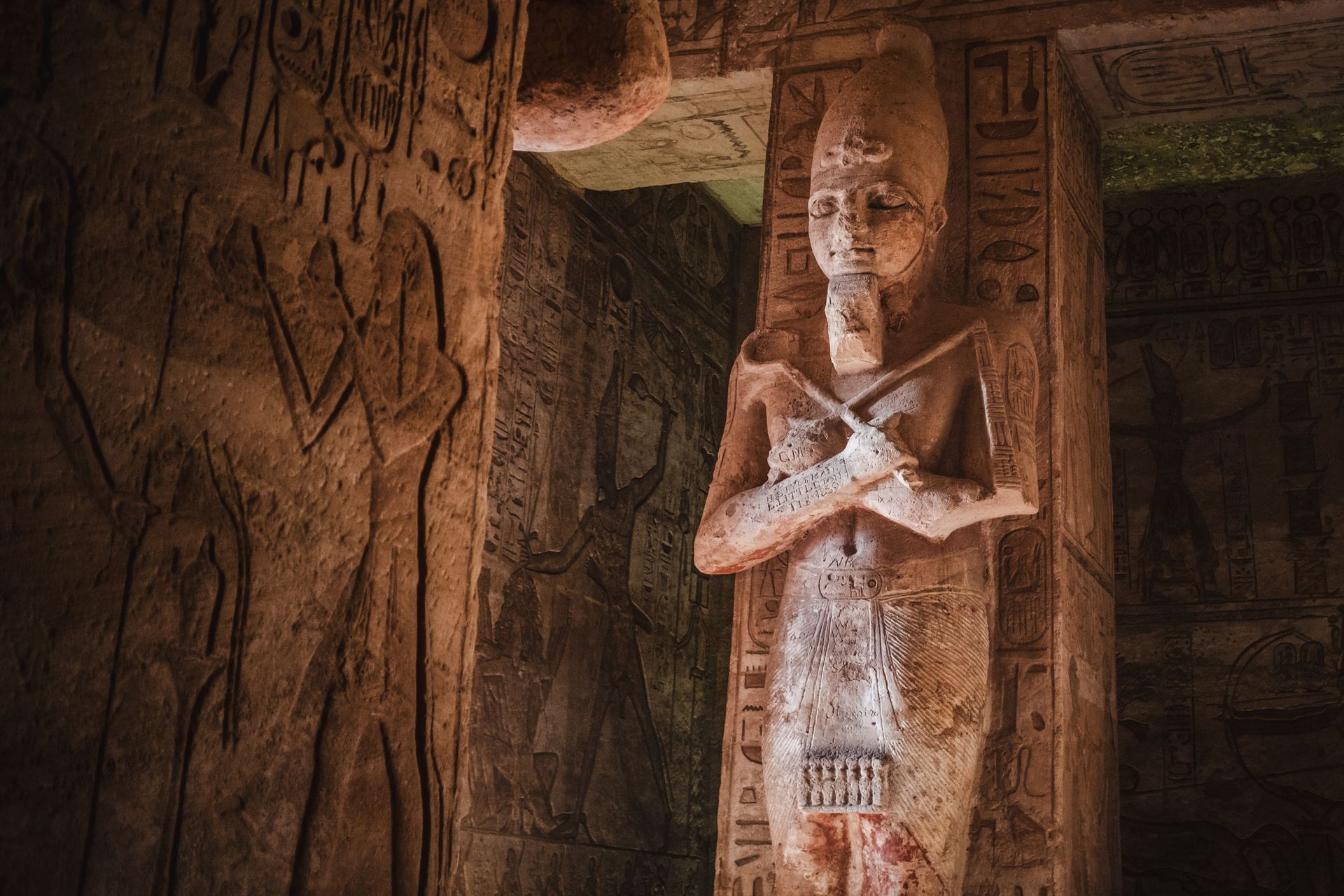
- Individual site entry fees — many packages cover the general site entrance but not extras like going inside the Great Pyramid, premium tombs in the Valley of the Kings (Seti I, Nefertari), or the audio guide at the Egyptian Museum
- The Grand Egyptian Museum — as Egypt's newest major site, it's sometimes left out of older package templates entirely, or offered only as a paid add-on
- Visa fees — almost always the traveler's own responsibility, separate from the package price
- Tipping (baksheesh) — expected throughout Egypt for guides, drivers, and hotel staff, and rarely built into the advertised price
- Optional excursions — hot-air balloon rides, felucca sunset sails, and desert safaris are usually priced separately even when featured prominently in marketing photos
Before booking, ask specifically what's covered at each individual site, not just "entry included" as a blanket statement.
Package Tiers: Budget, Mid-Range, and Luxury
Budget packages — group tours with shared transport, 3-star hotels, and a fixed itinerary with little flexibility. These work well for travelers prioritizing cost over comfort, but expect larger groups and less guide access.
Mid-range packages — smaller groups, 4-star hotels, and usually a Nile cruise included rather than optional. This tier covers most of what a first-time visitor actually wants without significant compromises.
Luxury packages — private guides even within a "package" structure, 5-star hotels or premium dahabiya cabins, and more curated experiences (private museum access, sunrise balloon rides included rather than optional).
The gap between these tiers is often less about the sites you'll see — most packages cover the same core stops — and more about group size, hotel quality, and how much flexibility you have day to day.
Package vs. Tailor-Made: The Real Trade-Off
A package's main advantage is simplicity: one price, one booking, minimal decisions required. The trade-off is a fixed schedule, shared group transport, and no ability to swap a stop you're not interested in for one you are.
A tailor-made itinerary costs roughly the same when built at a comparable comfort level, but every element — pace, hotel choice, add-on experiences, private guide access — is built around your actual interests rather than a template designed for the average traveler. If you know you want extra time in the Valley of the Kings and don't care about a shopping stop that's baked into most packages, a custom itinerary simply removes it instead of making you sit through it.
Questions to Ask Before Booking Any Package
- Does the price include a Nile cruise, or is it land-only with flights?
- Which specific site tickets are included, and which are extra (individual pyramids, premium tombs, the Grand Egyptian Museum)?
- What's the group size, and is the guide shared or private?
- Is the hotel category specified by name, or just a star rating that could mean very different things?
- What's the cancellation and rescheduling policy?
- Are gratuities included, or expected on top of the price?
A reputable operator will answer all of these clearly before you book. Vague answers to specific questions are usually a sign to keep comparing options.
Best Time to Book
Ticket prices for major sites and good hotel rooms during peak season (October–April) trend toward selling out or increasing rather than dropping, so waiting rarely produces a better deal. Booking 2–3 months ahead of peak season travel dates typically secures better hotel and cruise availability than booking last-minute.
Comparing packages and not sure what's actually the better value? Share your travel dates, budget, and what you most want to see, and we'll help you figure out whether a package or a tailor-made itinerary gets you more for the same price.