The Complete Guide to Planning Your Egypt Trip: From Visa to Booking
The Complete Guide to Planning Your Egypt Trip: From Visa to Booking
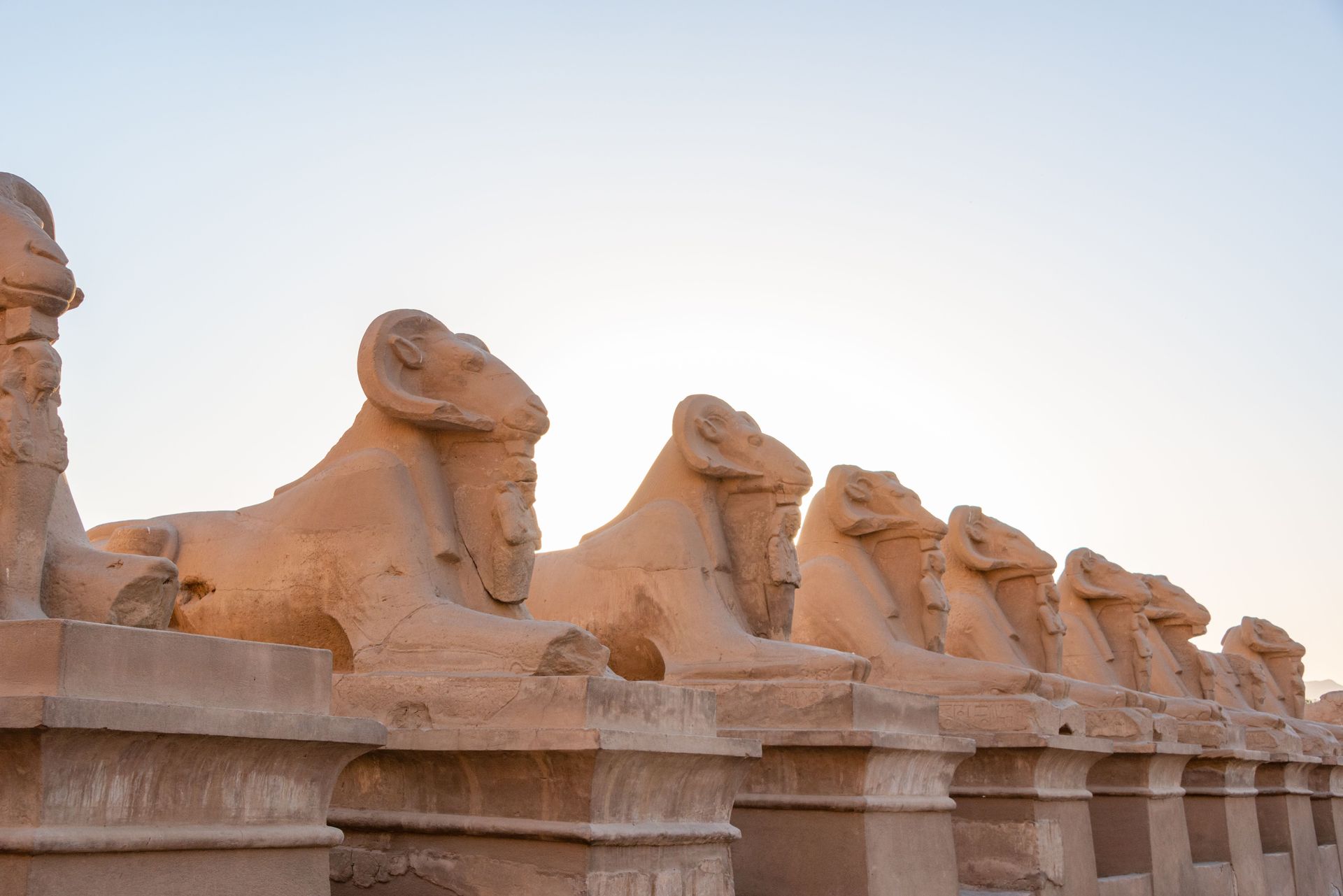
Most destinations ask you to imagine the past. Egypt hands it to you directly. You'll stand at the base of the only surviving Wonder of the Ancient World before your morning coffee has gone cold, sail the same river that carried pharaohs' funeral barges 4,000 years ago, and walk into a tomb where the paint on the walls still looks wet. Nothing about this trip is metaphorical — the history is physically in front of you.
That said, Egypt is also a country where planning matters. Ticket prices shift, temperatures swing dramatically by season, and the difference between a rushed group tour and a well-paced private trip is enormous. This guide is built to remove every point of friction between you and that first view of the Pyramids — visa, timing, budget, and booking, covered start to finish.
Get Your Visa Sorted First
Before booking flights or hotels, confirm your entry requirements — it's the one step that can derail a trip if left too late.
Most nationalities can enter through one of two straightforward routes:
- e-Visa — applied for online in advance through Egypt's official visa portal, typically processed within a few business days.
- Visa on arrival — issued at major international airports for eligible nationalities, paid in cash (USD or EUR).
Requirements and eligible countries do change, so verify your specific nationality's current rules before finalizing travel dates rather than assuming last year's information still applies.
Choose Your Season Strategically
When you travel to Egypt changes the entire character of the trip, not just the temperature:
- October–April (peak season) — warm days, cool evenings, ideal for long hours exploring temples and tombs without midday heat working against you. Book accommodations and Nile cruises early during this window.
- May & September (shoulder season) — noticeably warmer but still manageable, often paired with lighter crowds and better rates.
- June–August (summer) — intense heat in Upper Egypt, where Luxor and Aswan can exceed 40°C (104°F). This period suits Red Sea-focused itineraries, where the water offsets the heat.
If your dates are flexible, the cooler months consistently deliver the better experience — especially for anyone spending full days at outdoor sites like Karnak or the Giza plateau.
Define Your Priorities Before You Define Your Route
The biggest planning mistake isn't choosing the wrong sites — it's trying to see all of them. Get specific about what actually draws you to Egypt:
- Deep ancient history — temples, tombs, and burial sites
- Red Sea diving, snorkeling, or beach time
- Cairo's street life, markets, and food culture
- Remote, less-visited regions — Siwa Oasis, the White Desert, or Abydos
A trip built around genuine priorities feels purposeful from day one. A trip built around a generic "top 10" list feels like a checklist.
Build a Timeline That Matches Your Ambitions
As a working guide for how many days each scope requires:
- 4–5 days — Cairo and Giza only, unhurried
- 7–9 days — the classic route: Cairo, Luxor, and Aswan, connected by a Nile cruise or felucca sail
- 10–14 days — enough to add Abu Simbel, the Red Sea coast, or a desert detour
- 14+ days — the full circuit across the Nile Valley, Red Sea, and Western Desert, with no site rushed
There's no universally "correct" length — only a mismatch between your list and your days, which is the fastest way to end up exhausted rather than amazed.
Budget for Entry Tickets Before You Budget for Anything Else
This is where first-time visitors consistently underestimate cost. Foreign-visitor ticket prices vary significantly by site and are revised periodically, so treat any figure — including the ones below — as a starting estimate to confirm closer to your travel date, not a locked-in number:
- Giza Pyramids plateau — roughly 700 EGP, with separate fees to enter individual pyramids
- Egyptian Museum, Cairo — roughly 550 EGP
- Grand Egyptian Museum — over 1,500 EGP and climbing; as Egypt's newest headline site, booking ahead is essential
- Karnak Temple, Luxor — roughly 600 EGP
- Valley of the Kings — roughly 750 EGP, with premium tombs (Seti I, Nefertari) priced separately and substantially higher
- Philae Temple, Aswan — roughly 550 EGP
- Abu Simbel — roughly 750 EGP, plus transport, given its remote desert location
Add up the specific sites on your personal list before finalizing your overall budget — this single category is the most common line-item travelers forget to plan for.
Decide Between a Fixed Package and a Tailor-Made Trip
This decision shapes everything downstream — pace, cost structure, and how much control you have once you're on the ground:
- Fixed group package — simplest to book, but locked dates, shared schedules, and no flexibility mid-trip
- Tailor-made / private itinerary — designed around your pace, interests, and budget, with a private guide and driver, and the ability to adjust plans in real time
If the goal is a trip that reflects your own interests rather than a template shared with 30 other travelers, a tailor-made itinerary consistently outperforms a fixed package for the same destination and price range.
Choose How You'll Move Between Cities
- Domestic flights — the fastest way to cover Cairo–Luxor–Aswan when time is limited
- Nile cruise — a multi-day ship journey linking Luxor and Aswan, combining transport with onboard sightseeing
- Private car and driver — flexible for shorter distances and detours like Abydos or Alexandria
- Dahabiya sailboat — a slower, more intimate alternative to large cruise ships
Book Accommodation With Intention, Not Habit
Resist the urge to book the same hotel brand for the whole trip. Match each stop to its purpose:
- A heritage hotel in Cairo, for atmosphere and history
- A Nile-view hotel or cruise cabin in Luxor and Aswan
- A Red Sea resort at the trip's end, to decompress after a demanding touring schedule
Handle the Small Details That Prevent Big Frustrations
- Dress code — modest clothing is expected and appreciated at religious and historical sites
- Photography fees — some tombs and museums charge separately for cameras; keep small cash on hand
- Currency — Egyptian pounds cover most local purchases; small bills make tipping and minor site fees far easier
- Guides — a licensed Egyptologist turns a field of stones into a story worth remembering — this is consistently the highest-value add-on travelers report after their trip
Lock In Your Booking
Once your route, dates, and budget are set, the only step left is committing. Whether you book directly, through a specialist operator, or through a tailor-made itinerary built with a private guide, earlier bookings — especially for peak season (October–April) — consistently secure better hotel and cruise availability.
Frequently Asked Questions
How many days do I need in Egypt?
Seven to nine days covers the classic Cairo–Luxor–Aswan route comfortably. Add extra days for Abu Simbel, the Red Sea, or the Western Desert.
Is Egypt safe for tourists?
Egypt's major tourist regions — Cairo, Luxor, Aswan, and the Red Sea resorts — see millions of visitors annually and maintain a strong tourism security presence. As with any destination, standard travel precautions apply.
What's the best time of year to visit?
October through April offers the most comfortable temperatures for sightseeing, particularly in Upper Egypt.
Do I need a guide to visit the temples and tombs?
It's not required, but a licensed Egyptologist guide adds substantial historical context that's easy to miss without one — especially at complex sites like Abydos or the Valley of the Kings.
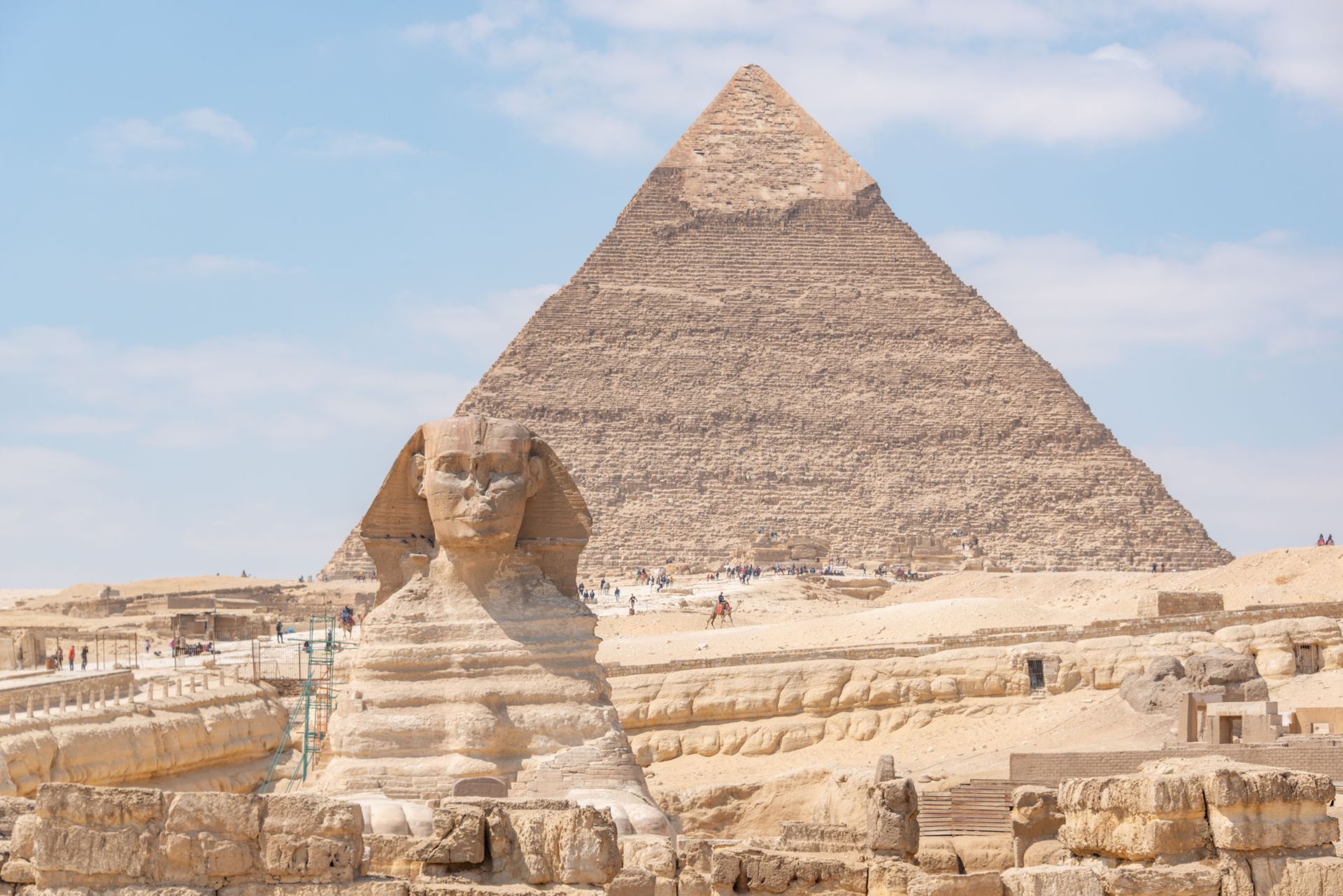
Every step in this guide — the visa application, the season you pick, the ticket budget you build — exists for one reason: to get out of the way of the moment you're actually here for. Standing in front of the Great Pyramid. Walking into a tomb sealed for three thousand years. Watching the Nile catch fire at sunset. The planning is temporary. What you see once it's done is not.
Ready to turn this guide into your actual itinerary? Share your travel dates, interests, and budget, and let's build the Egypt trip you've been picturing.